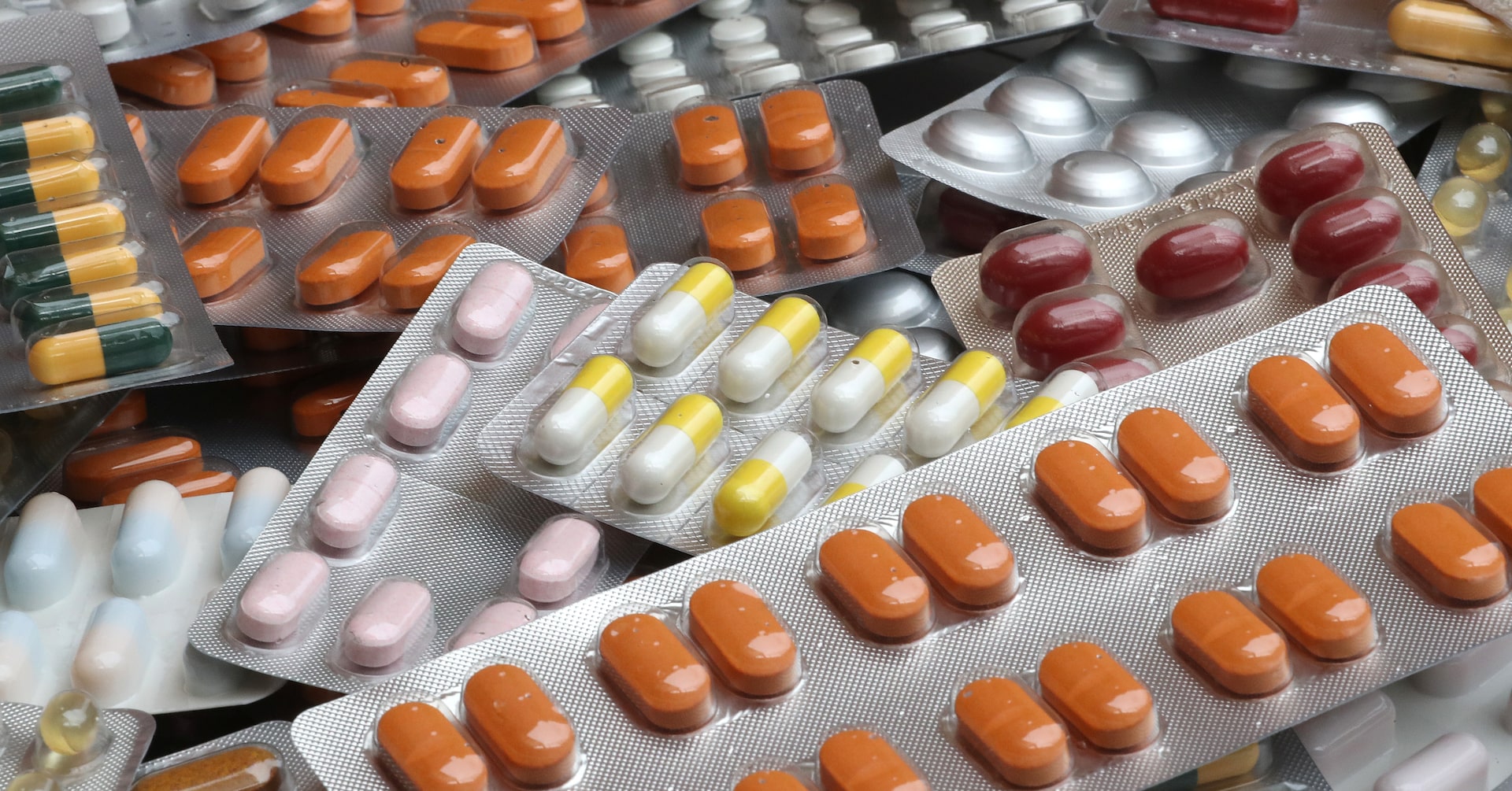
Europe continues to grapple with the risk of critical medicine shortages, including essential antibiotics and painkillers, according to a recent report by the European Court of Auditors (ECA). The report, released on Wednesday, highlights the fragility of supply chains and the EU’s heavy reliance on manufacturers in Asia as primary causes of the ongoing crisis. The European Commission has identified these vulnerabilities as a significant threat to public health, particularly in the face of future health emergencies. In July, European crisis chief Hadja Lahbib announced plans to stockpile critical medical equipment and vaccines, alongside creating a network to enhance coordination among member states. However, the ECA cautioned that stockpiling in some countries could exacerbate shortages in others. Between January 2022 and October 2024, EU countries faced critical shortages of 136 medicines, with the situation peaking in 2023 and 2024. The ECA described the issue as a ‘chronic headache for the EU,’ emphasizing the lack of a robust system to address severe shortages. Auditors noted that the current framework to prevent drug shortages lacks a solid legal foundation and timely information sharing. The European Medicines Agency (EMA), the region’s drug regulator, has limited powers outside of health crises, further complicating the situation. Klaus Heiner Lehne, the ECA member leading the audit, warned that medicine shortages can have severe consequences for patients, compromise public health, and impose high costs on healthcare providers and countries. Regulatory barriers within the EU’s medicine market also hinder cross-border redistribution, exacerbating shortages and unequal access. The European Commission has proposed legal changes aimed at reducing reliance on countries like China and India, which, if implemented, could significantly improve the system.