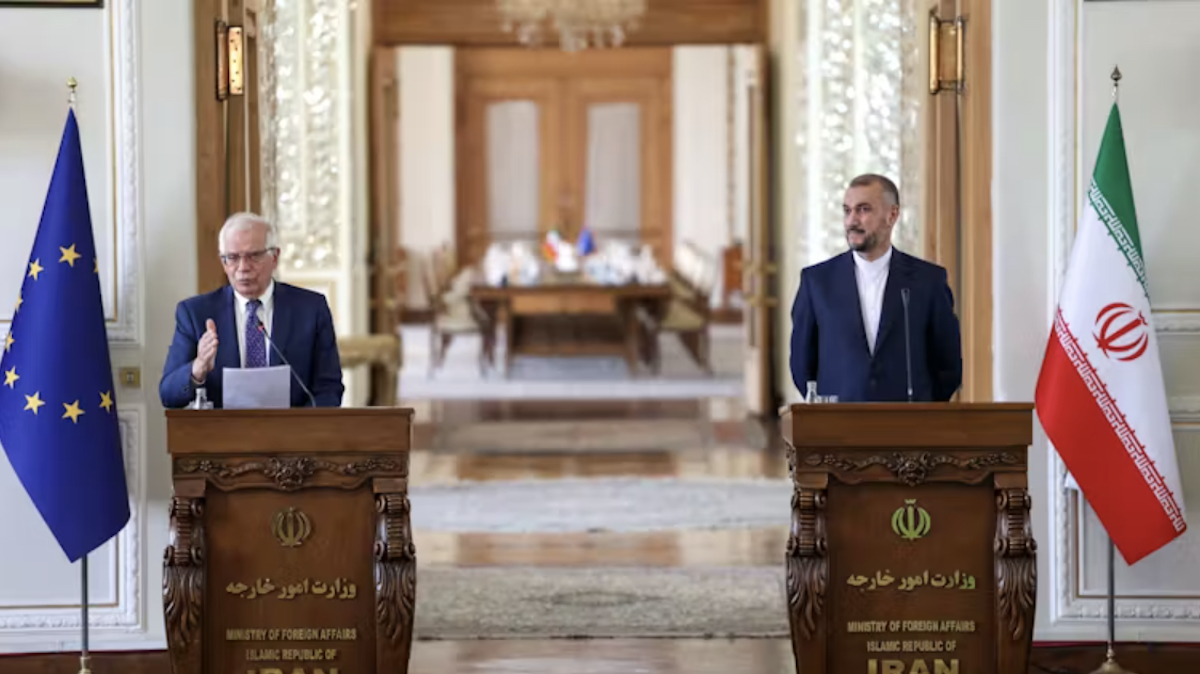
The United States’ decision to bomb three Iranian nuclear facilities on June 22, 2025, sent shockwaves across the globe, marking a stark departure from the Trump administration’s earlier diplomatic efforts to negotiate with Tehran over its nuclear program. This unprecedented military action, taken amidst the ongoing Israeli-Iranian conflict, has raised significant questions about the future of international diplomacy and nuclear nonproliferation. European governments, which have long advocated for a diplomatic resolution to Iran’s nuclear ambitions, responded with surprising restraint. European Commission President Ursula von der Leyen and German Chancellor Friedrich Merz both expressed support for Israel’s right to self-defense, while a joint statement from the E3 nations—France, the UK, and Germany—tacitly justified the US strikes as necessary to prevent Iran from developing nuclear weapons. However, the muted European reaction highlighted the continent’s diminished role in global diplomacy, particularly in contrast to its past leadership in negotiating the 2015 Iran nuclear deal. The deal, which included the US, Russia, China, and the European Union, aimed to curb Iran’s nuclear program in exchange for sanctions relief. The US withdrawal from the agreement in 2018 under President Trump, followed by the reimposition of heavy sanctions, severely undermined European efforts to maintain the deal and eroded Tehran’s trust in Europe as a reliable partner. Recent tensions, including Iran’s support for Russia’s invasion of Ukraine and Europe’s backing of Israel in the Gaza conflict, have further strained relations. Europe’s internal divisions over Middle East policy and its reliance on US leadership have compounded its challenges in reasserting a meaningful role in nuclear negotiations. As transatlantic relations remain fraught under the Trump administration, Europe faces an uphill battle to restore its influence in addressing Iran’s nuclear ambitions.