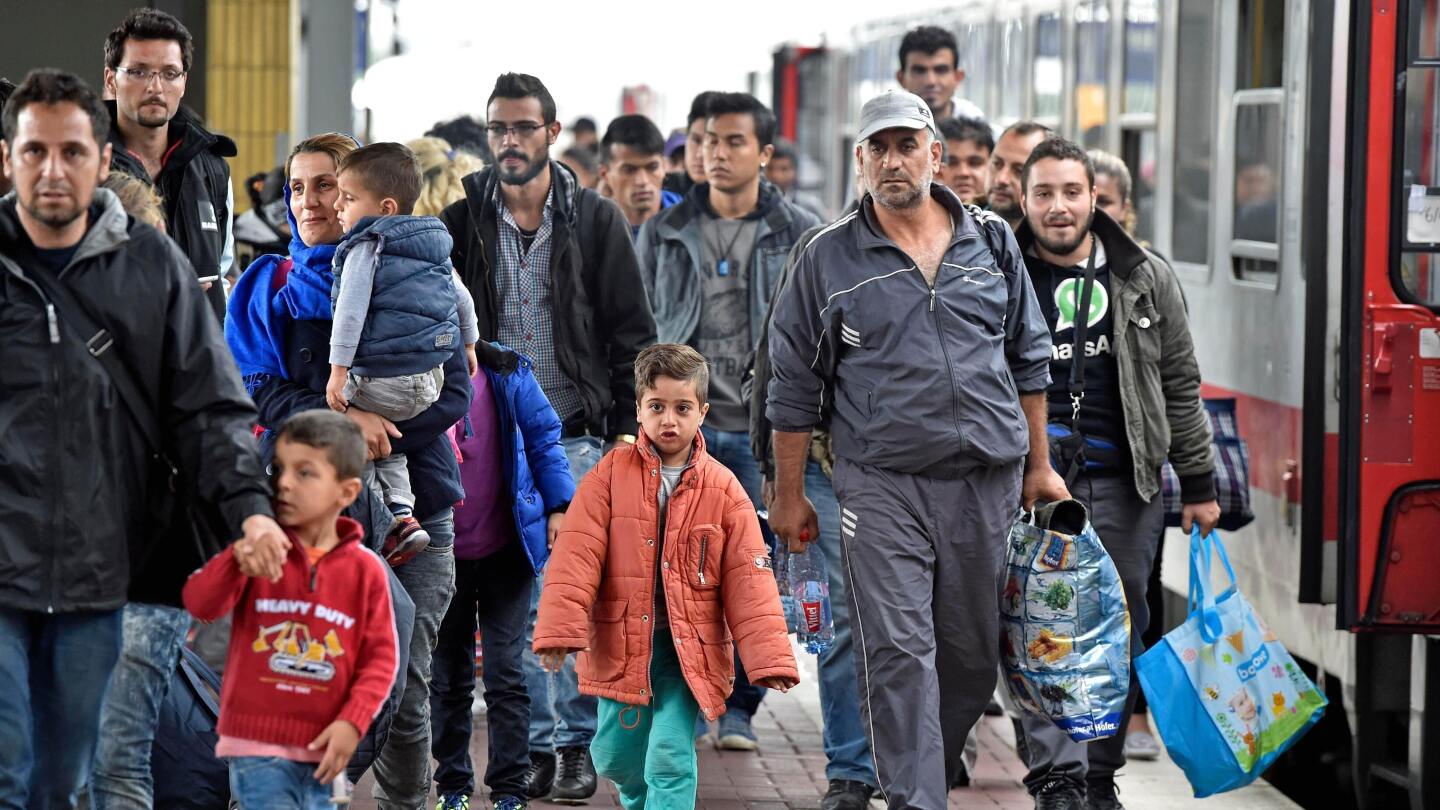
BARCELONA, Spain — The European Union has implemented significant revisions to its asylum application guidelines for Syrian nationals, reflecting the transformed political landscape one year after the collapse of Bashar Assad’s regime. These updated directives, issued Wednesday by the European Union Agency for Asylum, could substantially impact the pending applications of approximately 110,000 Syrians awaiting asylum decisions across EU member states.
The new guidance indicates that individuals who opposed Assad’s government or evaded military service no longer face automatic presumption of persecution risk. Conversely, the agency identifies several vulnerable groups that may still qualify for international protection, including former government affiliates and members of specific ethnic-religious minorities such as Alawites, Christians, and Druze communities.
While asylum determinations remain within national jurisdiction, these EU-wide recommendations aim to foster greater consistency among the 27 member states plus Norway and Switzerland in granting international protection. Statistical data reveals a dramatic decline in Syrian asylum seekers, dropping from 16,000 monthly applications in October 2024 to just 3,500 by September 2025, though Syrians still constitute the largest group with pending cases.
The agency characterizes Syria’s current situation as ‘improved but volatile’ since Assad’s ouster in December 2024, noting that ‘indiscriminate violence continues’ in certain regions. Despite the capital Damascus being deemed secure, recent sectarian violence in coastal areas and Sweida province has resulted in hundreds of casualties.
Additional groups maintaining refugee eligibility include LGBTQ+ individuals and Palestinians in Syria who have lost UN assistance and protection. According to UNHCR data, over one million refugees and nearly two million internally displaced persons have returned to Syria since the regime change, marking a complex humanitarian transition following a conflict that claimed approximately 500,000 lives and displaced half the country’s pre-war population.