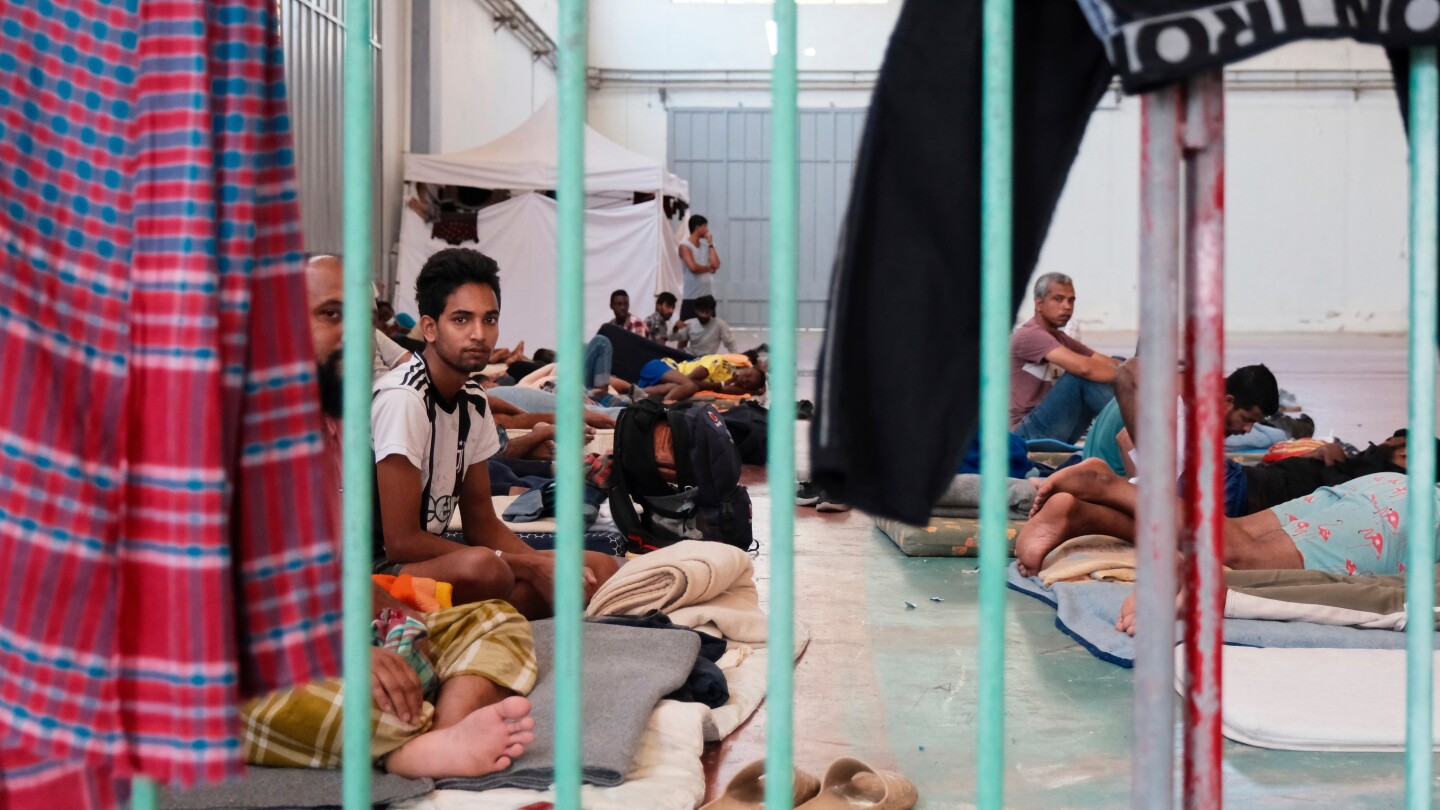
BRUSSELS — In a landmark decision marking International Migrants’ Day, European Union institutions have jointly approved a contentious policy designating seven nations as ‘safe countries of origin,’ triggering immediate condemnation from human rights organizations across the continent.
The European Parliament and European Council reached a comprehensive agreement enabling accelerated processing of asylum applications from Bangladesh, Colombia, Egypt, Kosovo, India, Morocco, and Tunisia. Under the new framework, applicants from these nations will bear the burden of proving why the safe country designation should not apply to their specific circumstances.
This policy forms part of the broader Pact on Migration and Asylum, scheduled for implementation in June 2026, which represents the EU’s most significant asylum system overhaul since the 2015 migration crisis that saw over one million arrivals, primarily from conflict zones in Syria and Iraq.
The agreement stipulates that countries may be deemed safe when they demonstrate absence of ‘relevant circumstances, such as indiscriminate violence in the context of an armed conflict.’ The policy framework permits individual member states to designate additional nations as safe according to their national immigration requirements.
Human rights advocates responded with vehement opposition. Amnesty International EU advocate Olivia Sundberg Diez condemned the measures as ‘a shameless attempt to sidestep international legal obligations’ that would potentially endanger vulnerable migrants.
French MEP Mélissa Camara expressed grave concerns about the establishment of ‘return hubs outside EU borders’ where third-country nationals might face ‘inhumane treatment with almost no monitoring.’ Similarly, Céline Mias of the Danish Refugee Council warned that the fast-track system could fail to protect journalists, activists, and marginalized groups from nations where human rights are systematically violated.
Conversely, Alessandro Ciriani, an Italian MEP representing the European Conservatives and Reformists group, applauded the decision as a firm border reinforcement measure that provides ‘clear delineations of safe and unsafe nations’ to eliminate ‘excessive interpretative uncertainty’ that previously hampered border control decisions.
The EU maintains that the list of designated safe countries remains subject to expansion through the bloc’s ordinary legislative procedures, indicating potential future additions to the current seven-nation roster.