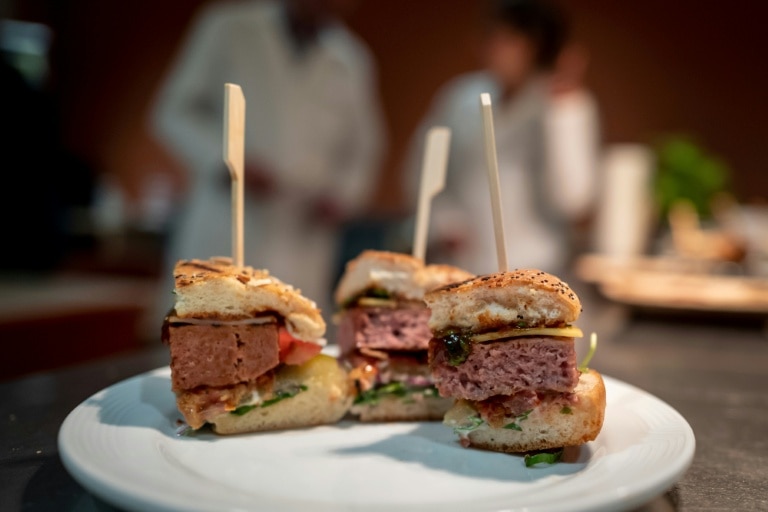
The European Union has finalized landmark legislation prohibiting the use of traditional meat nomenclature for plant-based alternatives, though several popular terms have been exempted from the sweeping ban. Following extensive negotiations between EU member states and parliamentary representatives, the new regulations will forbid product labels containing terms like “steak,” “bacon,” and “escalope” for vegetarian and vegan food items.
The decision represents a significant victory for Europe’s livestock agricultural sector, which has consistently argued that plant-based products mimicking meat terminology create consumer confusion and constitute unfair market competition. French cereal farmer and conservative parliamentarian Celine Imart, who championed the legislation, celebrated the outcome as an “undeniable success” that recognizes the value of livestock farming traditions.
Notably, the legislation carves out exceptions for some of the most established plant-based products in the European market. Terms including “burger,” “sausage,” and “escalope” will remain permissible for meat-free alternatives, reflecting their entrenched position in consumer vocabulary.
The comprehensive list of prohibited terminology extends beyond specific meat types to include anatomical references traditionally associated with animal products. Banned descriptors encompass “veal,” “pork,” “poultry,” “chicken,” along with cut-specific terms such as “tenderloin,” “sirloin,” “ribs,” “shoulder,” “chop,” “wing,” and “T-bone.”
The regulatory framework also extends to laboratory-cultivated cellular agriculture products, representing one of the world’s first comprehensive legislative approaches to emerging food technologies.
Consumer advocacy organizations have strongly criticized the decision, with BEUC Director General Agustin Reyna dismissing the confusion argument as “nonsense” and predicting the new rules will actually increase consumer uncertainty. Environmental groups and German retailers—operating in Europe’s largest plant-based market—had similarly opposed the measures.
Despite opposition, Cyprus Agriculture Minister Maria Panayiotou, representing the EU presidency, characterized the agreement as “a meaningful step towards fairer and more resilient agricultural markets.”
The legislation arrives amid unprecedented growth in plant-based food consumption within the EU, which has expanded fivefold since 2011, driven by environmental sustainability concerns, animal welfare considerations, and health-conscious consumer behavior.