BRUSSELS — The European Union has reignited high-stakes negotiations with South America’s Mercosur trading bloc, attempting to finalize one of the world’s largest free trade agreements despite fierce internal opposition. This development comes just one week after the United States’ controversial operation in Venezuela targeting President Nicolás Maduro, creating a stark contrast in diplomatic approaches to the region.
EU agriculture ministers convened in Brussels Wednesday to address balancing economic opportunities against protecting European farmers. The proposed pact with Brazil, Argentina, Paraguay, Uruguay, and Bolivia would create a trading zone covering 780 million people and representing a quarter of global GDP. EU Trade Negotiator Maroš Šefčovič characterized the agreement as “landmark” legislation that could boost EU agrifood exports by up to 50%.
“In this turbulent world, our trading partners value the EU for one thing above all: credibility,” Šefčovič stated. “We must safeguard this priceless currency by remaining a trusted and reliable trading partner.”
The negotiations face significant hurdles, particularly from France where agricultural protests derailed the deal in December. French Agriculture Minister Annie Genevard reiterated her nation’s opposition, citing threats to beef, chicken, sugar, ethanol, and honey producers. “As long as the combat is not over, nothing is lost,” Genevard declared, referencing ongoing negotiations.
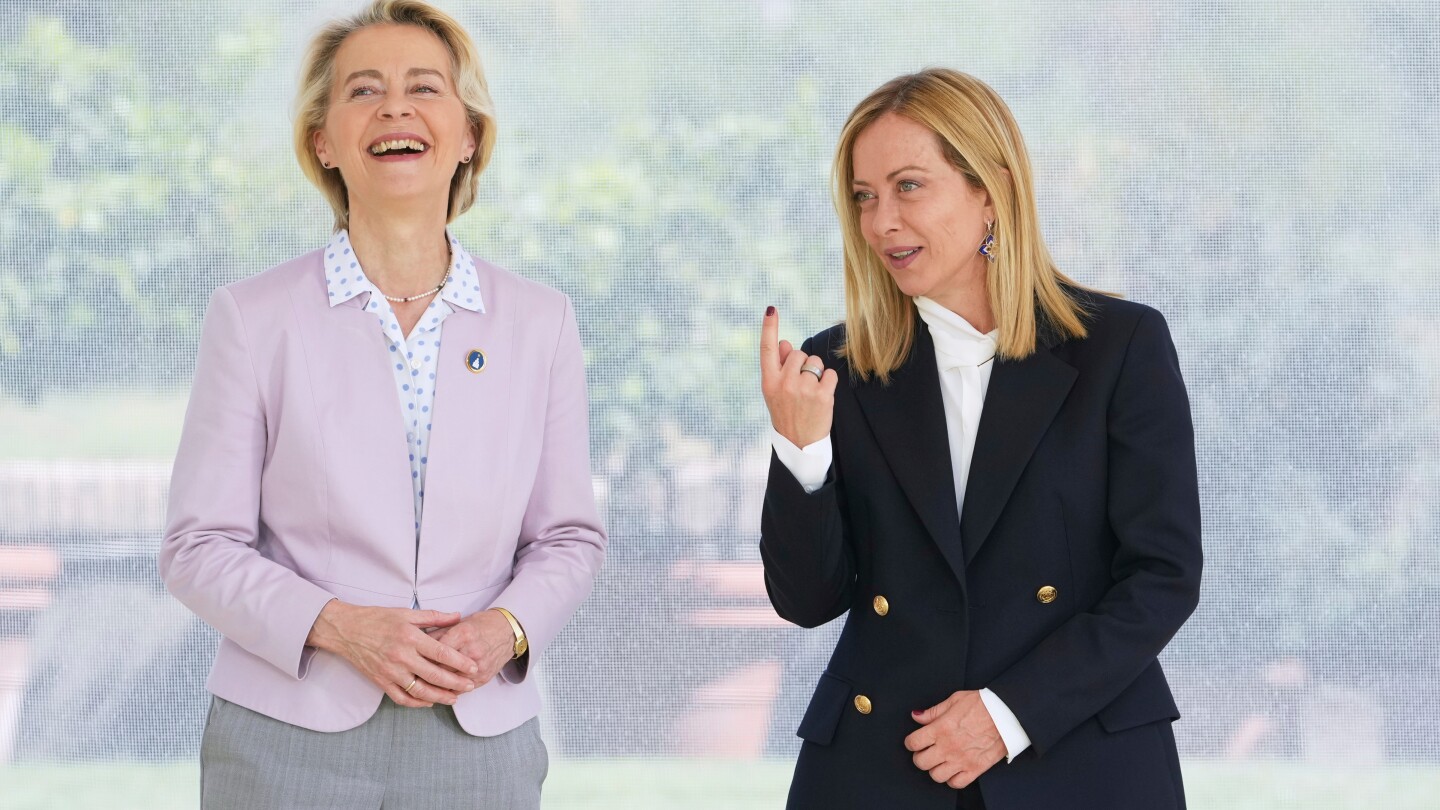
Italy has emerged as the decisive swing vote, with Prime Minister Giorgia Meloni’s support potentially overcoming objections from France and Poland. While Meloni welcomed proposed farmer subsidies, she has not committed to backing the trade deal itself.
The agreement would progressively eliminate tariffs on nearly all goods traded between the blocs, offering what proponents describe as a strategic alternative to Chinese export controls and American tariff policies. New safeguards include “semiautomatic triggering thresholds” that would activate if Mercosur imports significantly undercut EU products.
Despite political tensions within Mercosur—particularly between Argentina’s far-right President Javier Milei and Brazil’s center-left leader Luiz Inácio Lula da Silva—South American leaders continue pursuing the European alliance for its agricultural benefits. The deal represents a fundamentally different approach to regional engagement compared to the Trump administration’s Venezuela intervention, highlighting competing visions of economic diplomacy in South America.