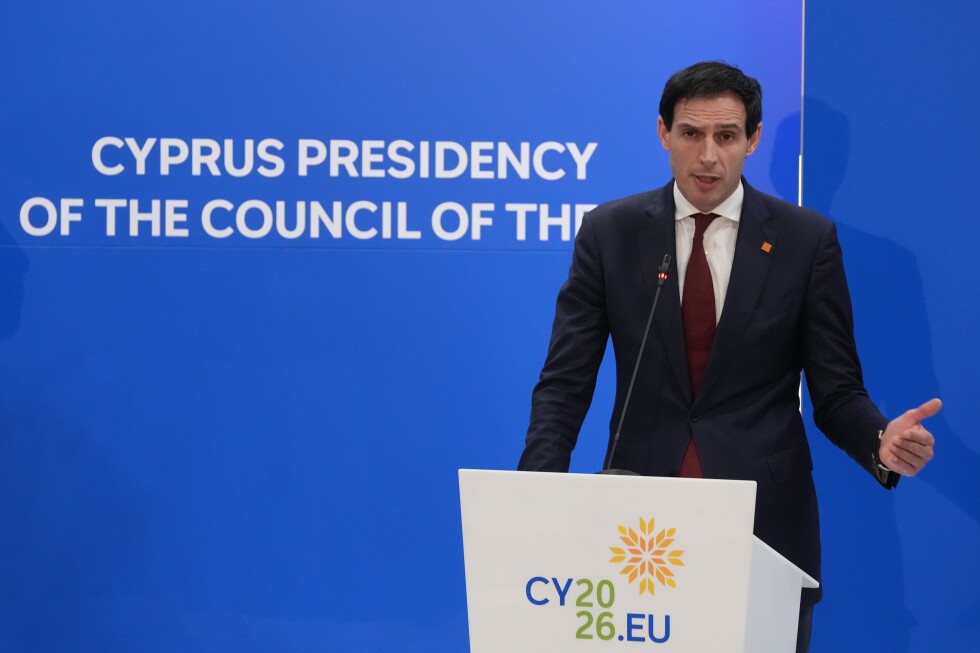
NICOSIA, Cyprus — In a decisive response to Europe’s most devastating wildfire season on record, the European Union has unveiled plans for a continent-wide rapid reaction force comprising 300 firefighters. EU Climate Commissioner Wopke Hoekstra announced the initiative Friday following a meeting of EU environment and climate ministers, framing it as a critical demonstration of European solidarity against climate-aggravated disasters.
The specialized force, drawn from across the 27-member bloc, represents a significant enhancement of the EU’s emergency response capabilities. Commissioner Hoekstra characterized the development as “a huge step forward compared to some five years ago,” while acknowledging that future expansions in personnel and equipment might become necessary. The strategic deployment mechanism will enable swift mobilization to wildfire hotspots across the continent.
This initiative builds upon earlier proposals for enhanced firefighting coordination, including a Cyprus-based regional hub announced by European Commission President Ursula von der Leyen in September. Von der Leyen had previously emphasized the urgency of developing adequate tools to confront increasingly dangerous summer seasons that are becoming “hotter, harsher and more dangerous” due to climate change.
The policy response follows alarming scientific evidence from a World Weather Attribution study released last August, which determined that climate change dramatically increased the intensity and probability of catastrophic wildfires. The research revealed that winter precipitation preceding the 2025 fire season had diminished by approximately 14% since the pre-industrial era, while weeklong periods of fire-conducive dry, hot air have become 13 times more likely.
Last year’s Mediterranean wildfires proved particularly devastating, with hundreds of blazes fueled by temperatures exceeding 40°C (104°F), severe drought conditions, and powerful winds. The catastrophe resulted in 20 fatalities, forced 80,000 evacuations, and consumed over 1 million hectares (2.47 million acres) of land, establishing 2025 as Europe’s worst recorded year for wildfire destruction.