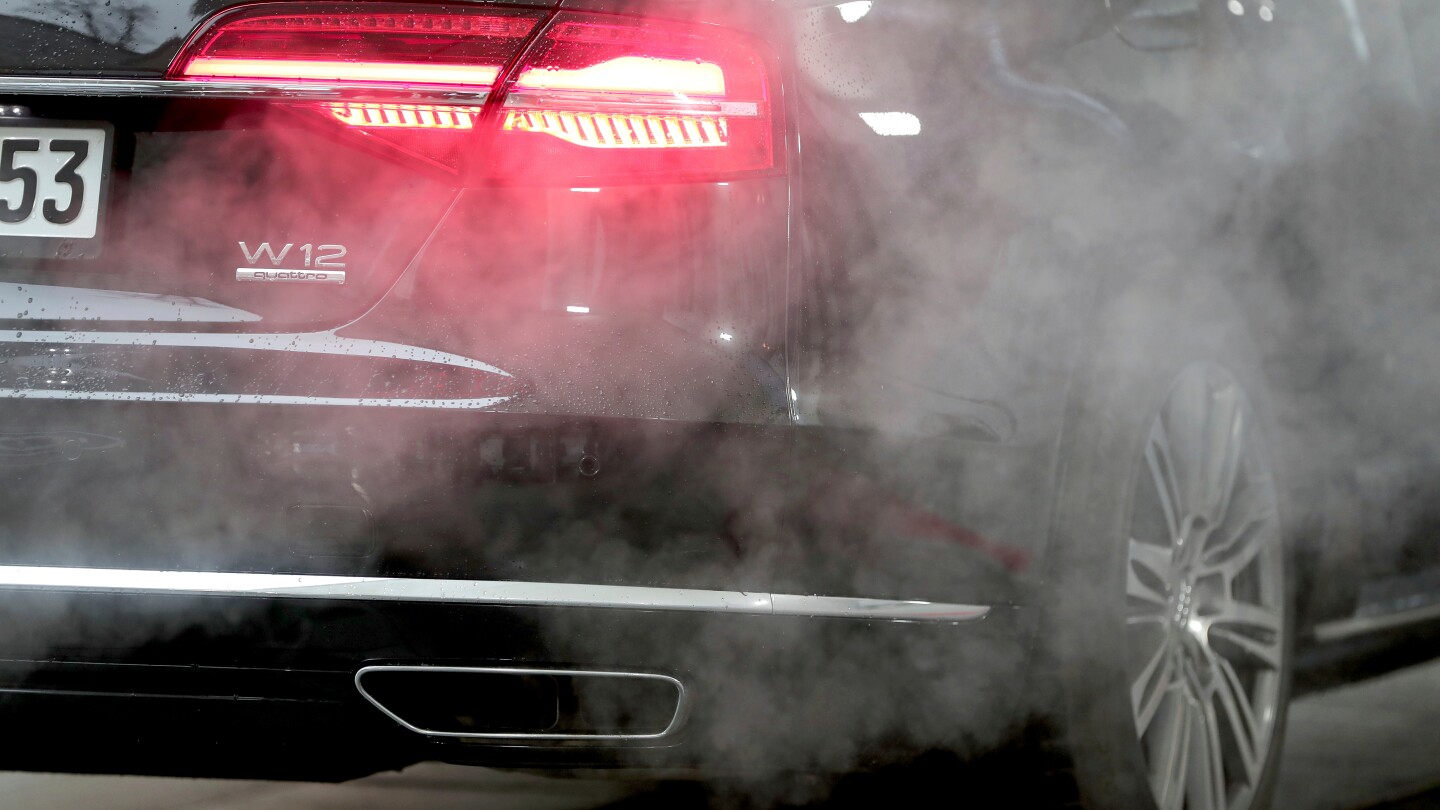
FRANKFURT, Germany — In a significant policy shift, European Union officials have amended their stringent automotive emissions regulations, modifying the previously mandated total phase-out of internal combustion engines by 2035. The European Commission now proposes a 90% reduction in carbon emissions from new vehicles compared to 2021 levels, creating flexibility for automakers while maintaining climate objectives.
This revised framework permits continued limited production of combustion engine vehicles provided manufacturers utilize carbon offset mechanisms. These include sourcing European steel manufactured through low-emission processes and incorporating climate-neutral synthetic fuels (e-fuels) produced from renewable electricity and captured CO2, alongside sustainable biofuels.
The regulatory adjustment follows intensive lobbying from major automotive manufacturing nations including Germany and Italy, where industry representatives highlighted infrastructure challenges and economic concerns. Automakers argued that charging infrastructure development hasn’t matched the pace needed for full consumer transition to electric vehicles, compounded by subsidy reductions and premium pricing for European EVs.
Despite the modification, EU officials maintain the amended regulations will not compromise the bloc’s 2050 climate neutrality targets. The proposal includes complementary measures to bolster European battery production and promote smaller electric vehicles.
The policy change occurs against a competitive backdrop where Chinese manufacturers have captured 34% of their domestic EV market through state support and aggressive pricing, outpacing both European and American adoption rates. Meanwhile, the United States has similarly moved toward less stringent vehicle emissions standards under recent regulatory changes.
Environmental group Transport & Environment criticized the decision as sending ‘a confusing signal’ that might divert investment from electrification precisely when European manufacturers need to compete with Chinese EV producers. The proposal now awaits ratification by EU member states and the European Parliament.