BILZEN-HOESELT, Belgium — European Union leaders convened Thursday at the historic Alden Biesen castle amid mounting external challenges that have forced a fundamental reassessment of the bloc’s strategic positioning. The 27-nation coalition finds itself navigating antagonistic relations with former U.S. President Donald Trump, economic coercion from China, and multifaceted hybrid threats from Russia, creating unprecedented pressure for institutional adaptation.
The emergency gathering revealed deepening ideological divisions between two competing visions for Europe’s future. German Chancellor Friedrich Merz and Italian Prime Minister Giorgia Meloni lead a conservative faction advocating for widespread deregulation, rebuilt transatlantic relations with Washington, and expanded trade agreements such as the recently negotiated Mercosur pact with South American nations.
This approach faces strong opposition from French President Emmanuel Macron, who champions ‘European preference’ protections for key industries including cleantech, chemicals, steel, automotive manufacturing, and defense procurement. Macron argues that without such safeguards against unfair competition from China and the United States, European industries risk being ‘swept aside’ in the global marketplace.
The defense procurement debate has emerged as a particular flashpoint, with Macron insisting EU arms manufacturers receive priority in military spending while Merz and Meloni advocate for purchasing from both foreign and European suppliers.
Financial architecture reforms also feature prominently in discussions, with Macron renewing his call for ‘Eurobonds for the future’ to challenge dollar hegemony. Meanwhile, the Merz-Meloni alliance emphasizes cutting bureaucratic red tape, strengthening the single market, and pursuing ambitious trade policies based on standardized rules.
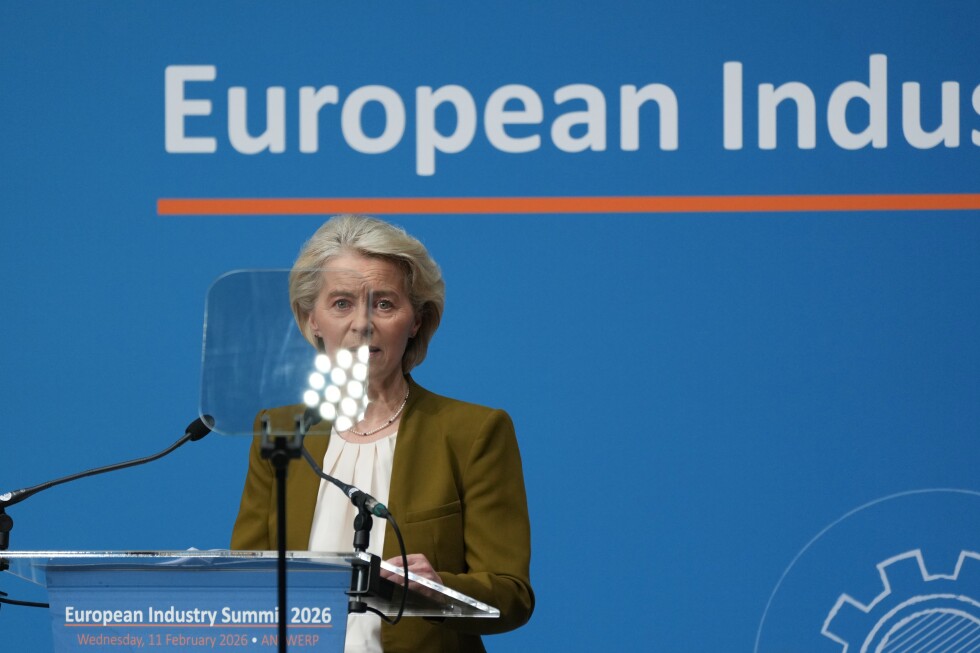
European Commission President Ursula von der Leyen, aligned with Merz’s European People’s Party, has emphasized that economic security forms the foundation of global influence. ‘Our power on the global stage depends greatly on our strength on the economic front,’ she stated during addresses in Strasbourg and Antwerp.
According to recent Eurobarometer polling, citizens across the bloc increasingly demand more unified and ambitious leadership amid military threats, economic pressures, and climate instability. This summit aims to formulate concrete proposals for a more comprehensive meeting scheduled for late March.