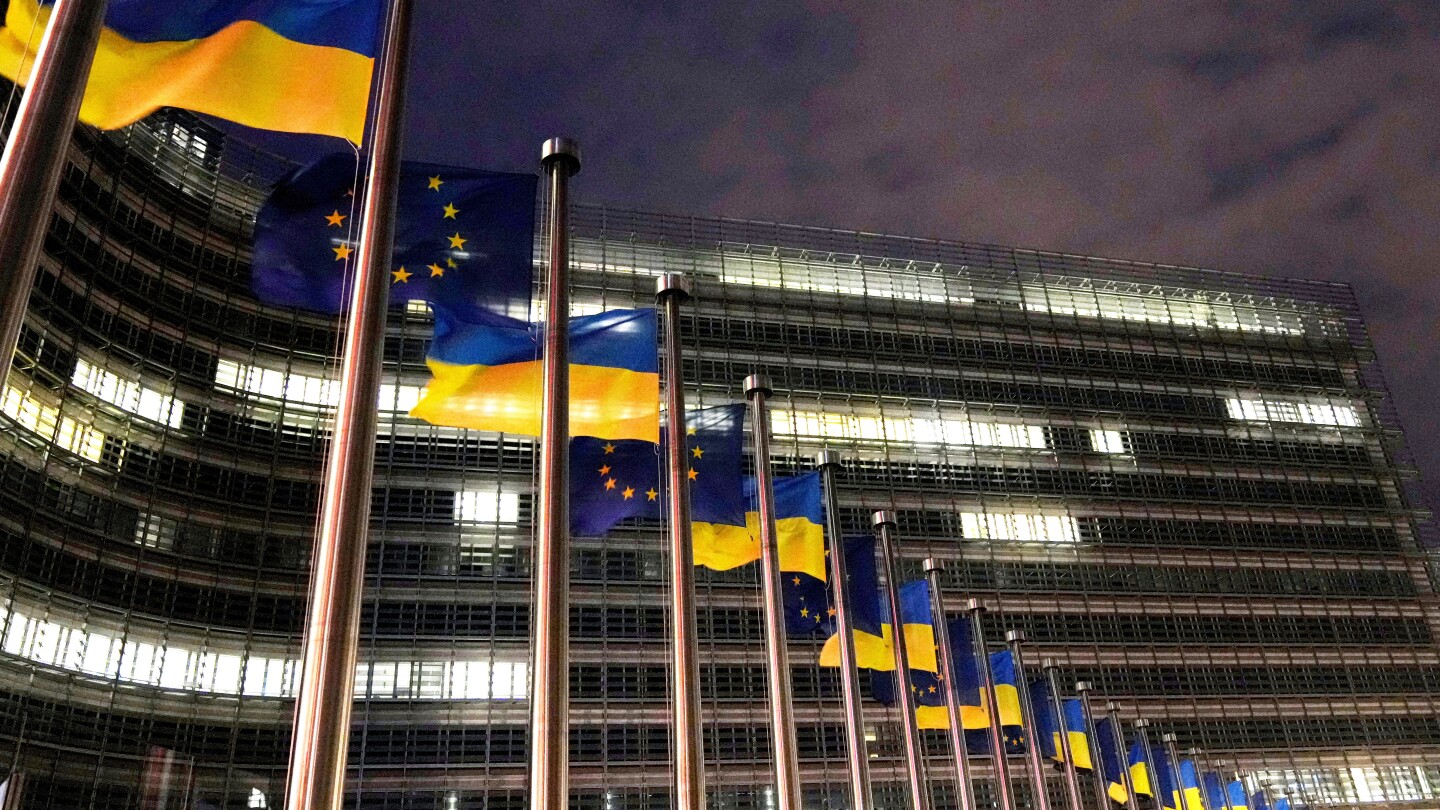
In a decisive move against Russian aggression, the European Union has enacted an indefinite freeze on Russian state assets held within its jurisdiction. The unprecedented measure, activated through a special economic emergency procedure on Friday, ensures that approximately €210 billion ($247 billion) in Russian Central Bank assets remain immobilized until Moscow ceases its war against Ukraine and provides compensation for the extensive damages inflicted.
The strategic decision effectively neutralizes potential opposition from Hungary and Slovakia, both governed by Moscow-friendly administrations, by removing their ability to block the six-monthly sanctions renewals required to maintain the asset freeze. EU Council President António Costa declared the action fulfills the commitment European leaders made in October to sustain economic pressure on Russia.
This foundational step enables EU leadership to finalize plans during their December 18 summit for leveraging these immobilized funds to underwrite substantial financial assistance for Ukraine. The proposed mechanism would convert frozen assets into collateral for a massive loan addressing Ukraine’s military and budgetary requirements through 2026-2027.
The move explicitly prevents these resources from being utilized in any peace negotiations without European authorization, directly countering a 28-point U.S.-Russian draft plan that proposed distributing frozen assets among Ukraine, Russia, and the United States—a proposal previously rejected by Kyiv and its European allies.
Hungarian Prime Minister Viktor Orbán, Vladimir Putin’s closest EU ally, condemned the decision as marking ‘the end of the rule of law’ within the bloc, vowing to ‘restore lawful order.’ Similarly, Slovak Prime Minister Robert Fico opposed using frozen assets for Ukraine’s military expenses, warning such actions could undermine U.S. peace initiatives.
Meanwhile, Russia’s Central Bank has initiated legal proceedings in Moscow against Euroclear, the Belgian financial clearinghouse holding approximately €193 billion of the frozen assets, seeking damages for alleged mismanagement. EU Economy Commissioner Valdis Dombrovskis dismissed the lawsuit as ‘speculative,’ asserting the EU’s position remains ‘legally robust’ under international law.