BRUSSELS — The European Union is formulating a comprehensive set of demands it believes Russia must fulfill to achieve sustainable peace in Ukraine, according to statements made Tuesday by the bloc’s top diplomat. This initiative emerges as U.S.-mediated negotiations show minimal progress after four years of conflict.
The development follows a particularly brutal Russian attack utilizing cluster munitions on a Ukrainian market, which resulted in seven fatalities. This assault occurred concurrently with last week’s diplomatic meetings between Moscow and Kyiv in Abu Dhabi, which yielded no breakthrough despite resulting in a new prisoner exchange agreement.
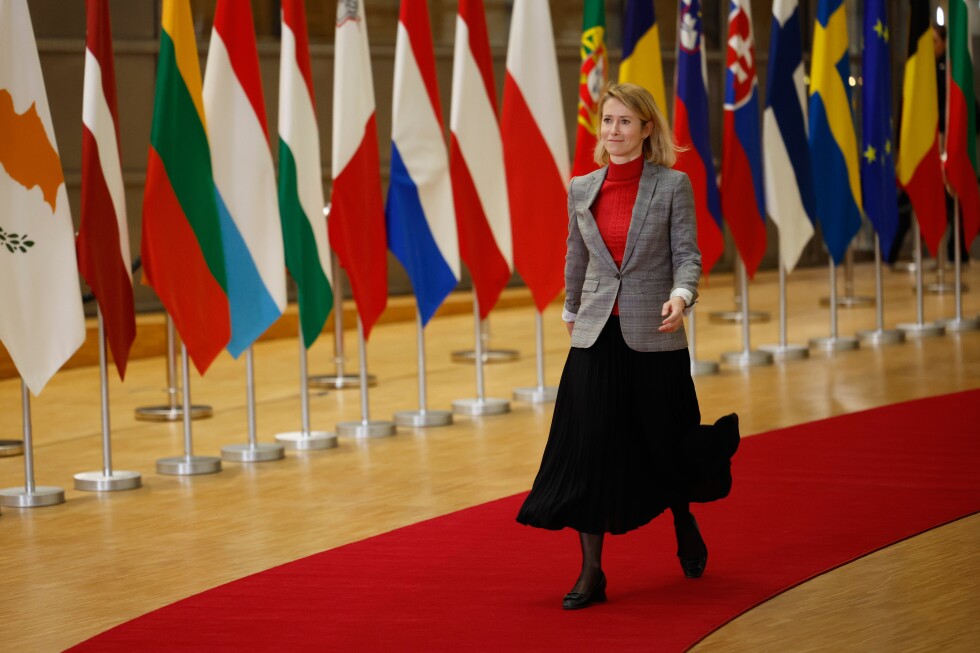
EU Foreign Policy Chief Kaja Kallas revealed that the 27-nation bloc has grown increasingly skeptical about Russia’s genuine commitment to negotiations. The EU also questions whether European and Ukrainian interests are adequately represented in Trump administration-led peace efforts. President Donald Trump, who previously claimed he could end the war within a day or 100 days, has now imposed a June deadline for Ukraine and Russia to reach an agreement.
“We have just witnessed intensified Russian bombing campaigns throughout these diplomatic engagements,” Kallas stated, highlighting targeted attacks on Ukraine’s critical electricity infrastructure during the conflict’s coldest winter period.
While expressing gratitude for American diplomatic efforts thus far, Kallas emphasized that “sustainable peace requires European consensus among all parties involved, including Russians and Americans.”
The proposed EU conditions reportedly include demands for Russia to repatriate thousands of children allegedly abducted from Ukraine and implement limitations on the size of Russia’s armed forces post-conflict. Kallas argued that constraints should focus on Russian military capabilities rather than Ukraine’s defenses, noting that excessive Russian military expenditure creates inherent security risks.
A draft document outlining these conditions is expected to circulate among EU member states in coming days, with potential discussion during the February 23 foreign ministers’ meeting.
Kallas acknowledged Ukraine’s current dependency on U.S. support but cautioned against pressuring the weaker party into concessions that might produce temporary peace declarations rather than sustainable security guarantees. The EU aims not to establish parallel negotiation channels but to “change the narrative” and create circumstances where Russia genuinely desires conflict resolution.
Citing intelligence assessments, Kallas noted President Vladimir Putin’s recruitment challenges and pointed to EU sanctions significantly impacting Russia’s economy amid soaring inflation. Additional measures under consideration include prohibiting repair services for vessels transporting Russian oil, with plans to discuss broader G7 adoption during the upcoming Munich Security Conference.