FRANKFURT, Germany — The European Union has declared its readiness to provisionally implement a comprehensive free trade agreement with South America’s Mercosur bloc, despite recent parliamentary obstacles. European Commission President Ursula von der Leyen announced Friday that the EU would move forward once at least one Mercosur nation completes ratification.
Speaking at the conclusion of the Brussels summit where multiple national leaders addressed the matter, von der Leyen emphasized the collective interest in expediting the agreement’s benefits. “We maintain a clear interest in ensuring this agreement’s advantages take effect at the earliest opportunity,” she stated during a press briefing. “In essence, our preparedness matches theirs.”
The Commission President clarified that no formal implementation decision has been finalized. Supporting this position, Antonio Costa, head of the EU Council, confirmed the executive commission’s jurisdictional authority to proceed with interim application.
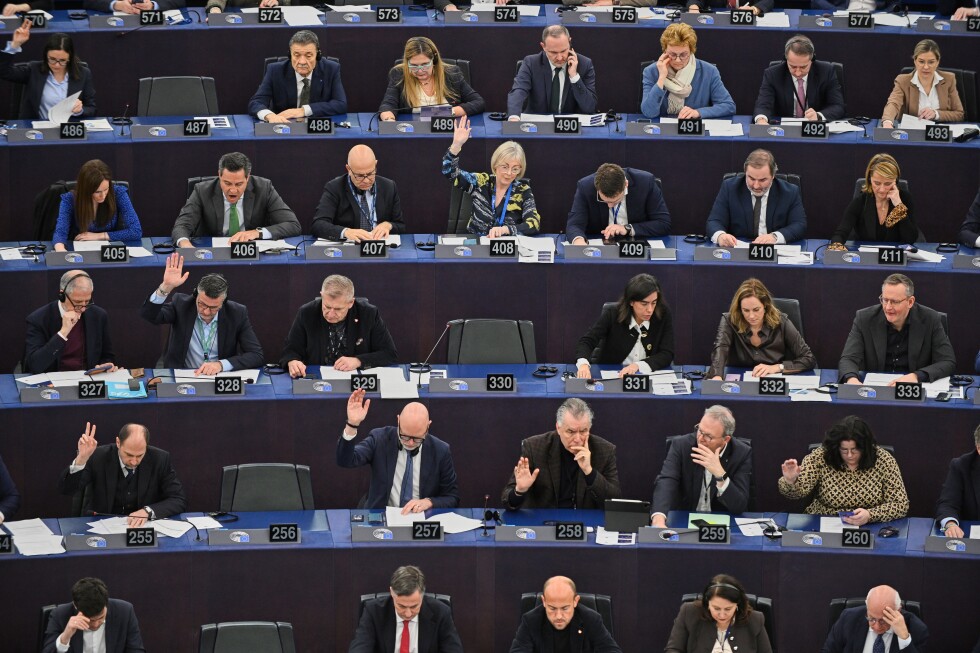
This development occurs despite the European Parliament’s narrow Wednesday vote to refer the trade pact to the European Court of Justice for legal examination, effectively stalling ratification until judicial review completion—a process potentially requiring months.
The Mercosur-EU agreement represents a cornerstone of Brussels’ strategy to diversify trade partnerships beyond historical U.S. dependencies, particularly following strained relations during Donald Trump’s presidency. The accord, championed by South American agricultural producers and European industrial sectors, proposes the progressive elimination of over 90% tariffs on commodities ranging from Argentine beef to German automobiles.
France, the EU’s primary agricultural producer, continues advocating for enhanced farmer protections and has sought to postpone the pact. Conversely, German Chancellor Friedrich Merz characterized the parliamentary delay as “regrettable” while urging provisional implementation.
Ratification appears virtually assured within South America, where the agreement enjoys substantial support. The Mercosur bloc comprises Argentina, Brazil, Paraguay, and Uruguay, with Bolivia excluded from the current agreement but potential future inclusion possible. Venezuela remains suspended from the bloc and is not party to the agreement.