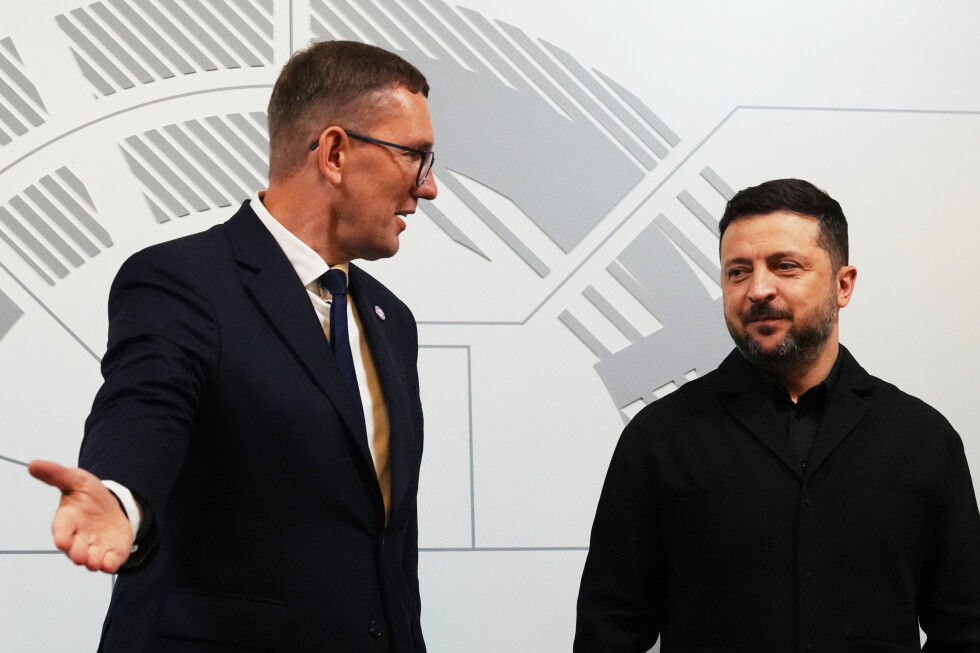
BRUSSELS – In a landmark decision with far-reaching geopolitical consequences for a war-ravaged Eastern Europe, the 27 member states of the European Union formally agreed Friday to launch full membership accession negotiations with Ukraine and neighboring Moldova, with the official opening ceremony scheduled to take place next Monday at an intergovernmental conference in Luxembourg.
This move marks one of the most significant strategic choices the bloc has made in years, framing the future of the European continent amid Russia’s ongoing full-scale invasion of Ukraine. For Kyiv, which submitted its EU accession application barely five days after Russian forces crossed its border in February 2022, membership in the world’s largest single trading bloc is viewed as a critical cornerstone of long-term security and stability following the end of the current conflict. While Kyiv has also prioritized NATO membership for collective defense, that path remains blocked: the former Trump administration has repeatedly ruled out Ukrainian membership in the military alliance, other Western powers oppose accession while active hostilities continue, and Moscow cites NATO expansion as a core justification for its 2022 invasion. Notably, Russia has not publicly opposed Ukraine’s EU membership bid, unlike its fierce pushback against NATO integration.
Moldova, like Ukraine, has long sought to escape Moscow’s sphere of influence, and Friday’s agreement brings the small Eastern European nation onto the same integration path as its larger neighbor.
EU leadership praised the two countries for their progress on reform, even amid unprecedented wartime and political pressure. “This is a recognition of the determination, courage and hard work shown by both countries in advancing reforms, even in the face of immense challenges,” EU Council President António Costa and European Commission President Ursula von der Leyen said in a joint statement. The pair framed the decision as a strategic investment that will strengthen “peace, security and prosperity across our continent,” adding that it sends a clear message “that the EU’s offer of peace, stability and opportunity is unmatchable.”
The accession process is a years-long, rigorous path that requires candidate countries to negotiate alignment with 35 distinct EU policy chapters, covering everything from agricultural regulation to internal trade standards. The opening conference on Monday will kick off negotiations on the first cluster of chapters, focused on the core founding values and principles that underpin the EU bloc. Every step of the process – from opening each individual chapter to closing it ahead of full accession – requires unanimous approval from all 27 existing EU members. For years, Hungary maintained a hardline blockade on opening negotiations, but the recent formation of a new government in Budapest has softened the country’s opposition, clearing the way for Friday’s unanimous agreement.
While the EU has praised Ukraine for pushing through ambitious reforms even amid active war, deep concerns remain among member states about persistent corruption gaps and shortcomings in judicial standards. The path to full membership remains uncertain, with multiple European capitals pushing for alternative interim arrangements to bring Ukraine closer to the bloc faster without granting full membership rights immediately. Last month, German Chancellor Friedrich Merz called on EU partners to consider a new model of associate membership for Ukraine, a proposal designed to reinvigorate efforts to reach a resolution to the conflict more than two and a half years after Russia’s full-scale invasion. Under Merz’s framework, Ukraine would participate in EU meetings and hold non-voting observer positions in both the European Commission and European Parliament, stopping short of full membership. France and the Netherlands have also floated similar incremental models to accelerate integration while bypassing the full accession process’ slower timelines.
Friday’s decision comes as the EU grapples with shifting global diplomatic dynamics: U.S.-mediated peace talks between Kyiv and Moscow remain stalled, with U.S. foreign policy attention increasingly diverted to escalating tensions related to the Iran conflict. Some European capitals are now weighing whether the bloc should pursue its own direct negotiations with Russian President Vladimir Putin to move the peace process forward, though no consensus on that step has yet emerged.