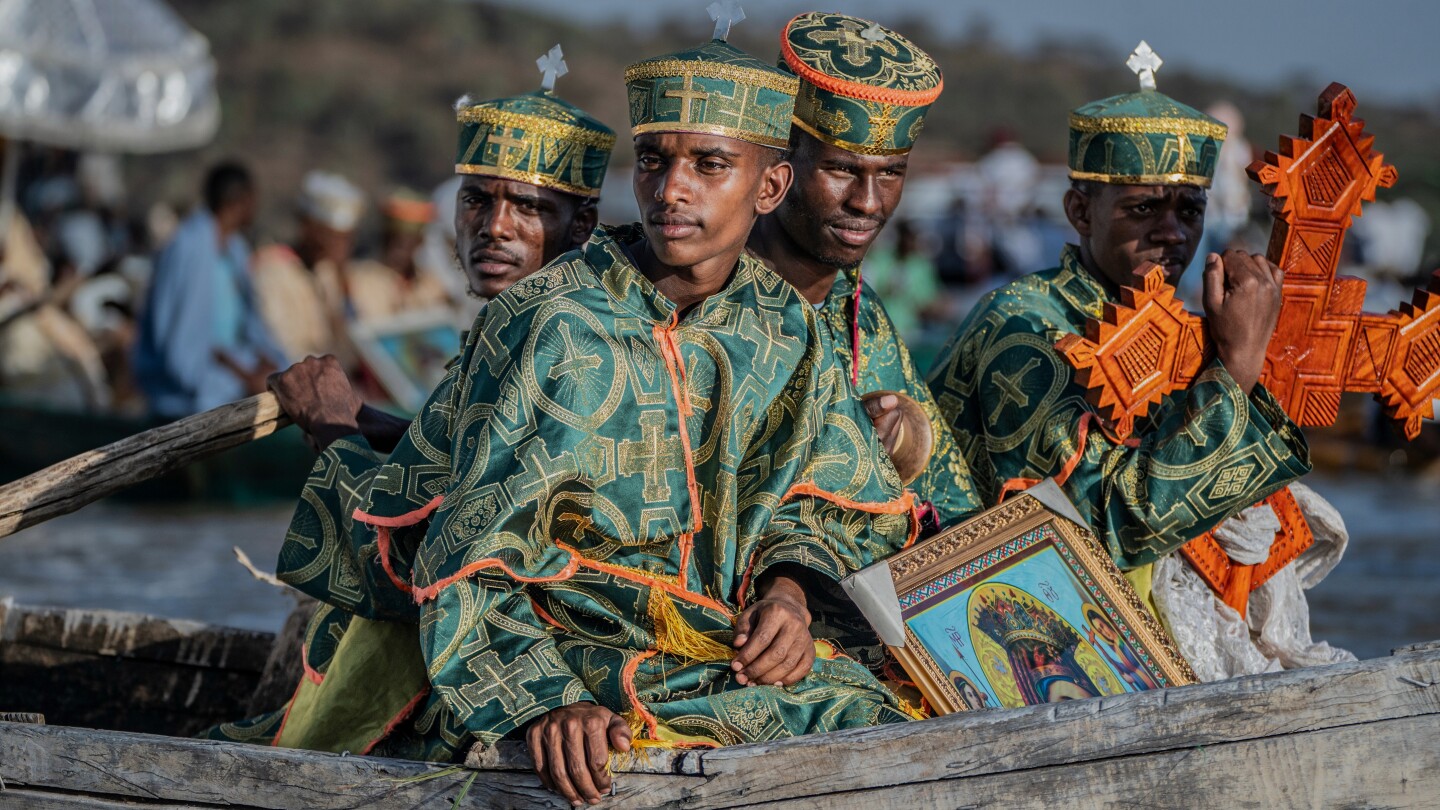
Across Ethiopia on Monday, millions of Orthodox Christians participated in vibrant Timkat celebrations, the Ethiopian Epiphany commemorating Jesus Christ’s baptism in the Jordan River. The festival, recognized by UNESCO as an Intangible Cultural Heritage of Humanity in 2019, represents one of the nation’s most significant religious observances alongside Easter and Christmas.
In the lakeside town of Batu, Oromia Region, thousands of pilgrims immersed themselves in the blessed waters of Lake Dambal following ceremonial blessings by priests. This ritual reenactment of baptism symbolized spiritual purification and renewal for participants. Meanwhile, in the capital Addis Ababa, massive crowds gathered to witness the ceremonial procession of tabots—sacred replicas of the Ark of the Covenant—which were transported to public spaces for overnight prayers before returning to their home churches amid hymns and chanting.
The celebrations extended to the historic Fasilides Fortress in Gondar, located within the conflict-affected Amhara region, demonstrating the festival’s enduring significance despite regional instability. Participants expressed profound spiritual fulfillment, with Addis Ababa resident Bereket Adugna noting, ‘We are celebrating the baptism of Jesus Christ, and our hearts are filled with joy.’
Deacon Asnake Dechasa emphasized the festival’s communal aspect, stating, ‘For us Ethiopians, Epiphany is an opportunity to share what we have with those who need our help.’ This sentiment emerges against a backdrop of escalating tensions with neighboring Eritrea and worsening famine conditions, with humanitarian organizations reporting millions of Ethiopians requiring emergency food assistance amid declining international support.