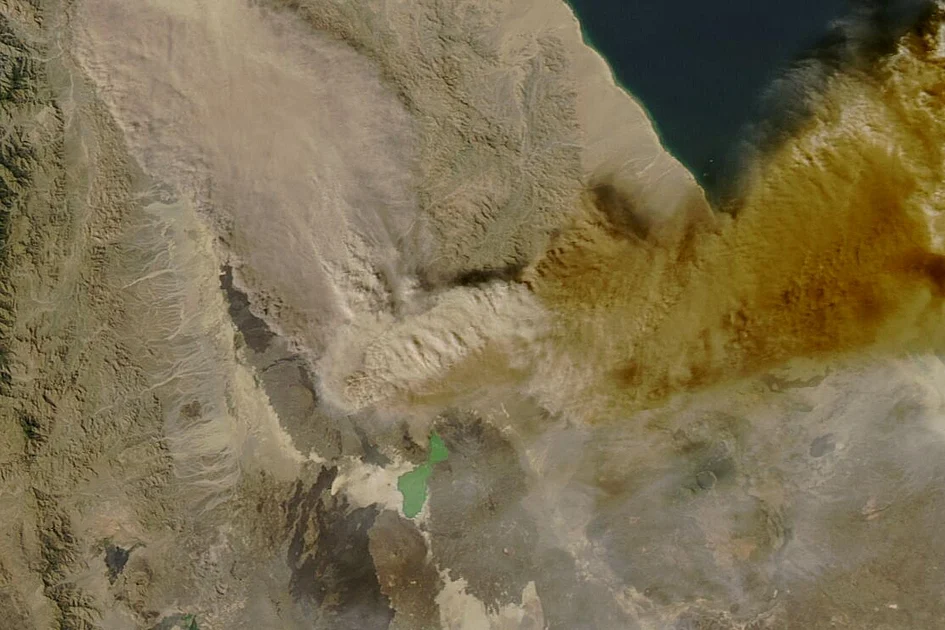
The Hayli Gubbi volcano in Ethiopia erupted on November 23, 2025, marking its first activity in nearly 12,000 years. The eruption released significant amounts of sulphur dioxide gas, which spread across parts of the Middle East on November 23 and 24. This event has raised concerns about the potential formation of acid rain in the region. UAE experts, including Shawkat Odeh from the International Astronomical Centre, have shared satellite images showing the dispersion of the gas. Ibrahim Al Jarwan from the Emirates Astronomical Society noted that the sulphur dioxide could react with atmospheric moisture, potentially leading to light acid rain in Oman and Yemen. However, Omani authorities have reported no immediate public health impacts or increased air pollutant concentrations. Acid rain, which includes precipitation with acidic components, forms when pollutants like sulphur dioxide or nitrogen oxides react with water, oxygen, and other chemicals in the atmosphere. This phenomenon can harm ecosystems, aquatic life, and vegetation, and may also pose health risks to humans, such as respiratory issues and eye irritation. While the situation is being closely monitored, no significant acid rain effects have been observed so far.