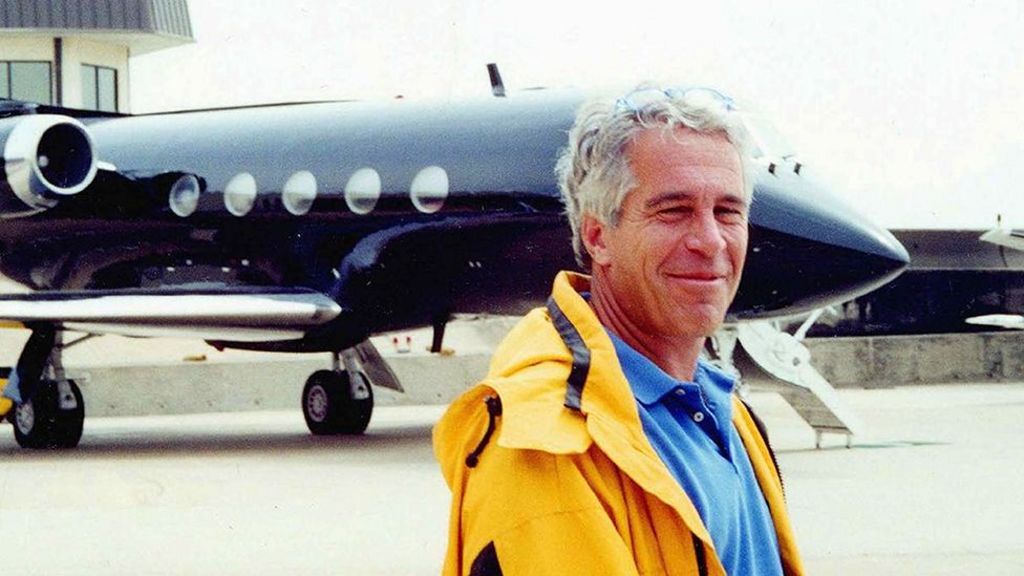
A groundbreaking BBC investigation has uncovered nearly 90 UK airport arrivals and departures linked to Jeffrey Epstein—significantly more than previously documented—revealing systematic exploitation of British women and raising serious questions about border security failures. The comprehensive analysis of flight logs and court documents shows Epstein’s UK operations spanned from the early 1990s until 2018, with 15 flights occurring after his 2008 conviction for soliciting sex from a minor.
Three British women identified as alleged trafficking victims appear in Epstein’s flight records and related documents. Shockingly, despite one victim’s testimony being instrumental in convicting Epstein’s accomplice Ghislaine Maxwell in the 2021 U.S. trial, UK authorities have never contacted her. The woman, identified pseudonymously as ‘Kate’ during proceedings, was documented on over 10 Epstein-funded UK flights between 1999 and 2006.
Legal representatives for hundreds of Epstein victims expressed astonishment at the absence of a comprehensive UK investigation. ‘The UK was one of the centrepieces of Epstein’s operations,’ stated U.S. attorney Sigrid McCawley, criticizing British authorities for failing to examine flight patterns, passenger manifests, and local contacts.
The investigation reveals Epstein utilized a combination of private jets (over 50 flights primarily through Luton Airport), chartered aircraft, and commercial flights (mainly via Heathrow) to transport alleged victims. Critical security loopholes allowed private aircraft to bypass passenger disclosure requirements until April 2023, enabling unchecked movement of trafficking victims.
Particularly alarming is Epstein’s continued UK access after his 2008 conviction. Documents indicate he flew Virgin Atlantic to London Heathrow in September 2010, merely two months after completing probation. Immigration experts note that U.S. citizens typically faced no visa requirements for short stays, leaving admission decisions to individual border officers’ discretion.
The Metropolitan Police, when presented with the BBC’s findings, declined to reopen investigations, stating they had ‘not received any additional evidence that would support reopening the investigation.’ This response drew sharp criticism from victim advocates who argue the message undermines confidence in pursuing powerful perpetrators.
Human trafficking expert Professor Bridgette Carr emphasized that such operations require extensive networks: ‘It’s never just one bad person. You have to consider the accountants, lawyers, bankers—all those who implicitly or explicitly enabled this to continue.’
The findings emerge as the Jeffrey Epstein Transparency Act deadline approaches for releasing all U.S. government files on the financier, though many documents including these flight records have already entered the public domain through court proceedings and estate disclosures.