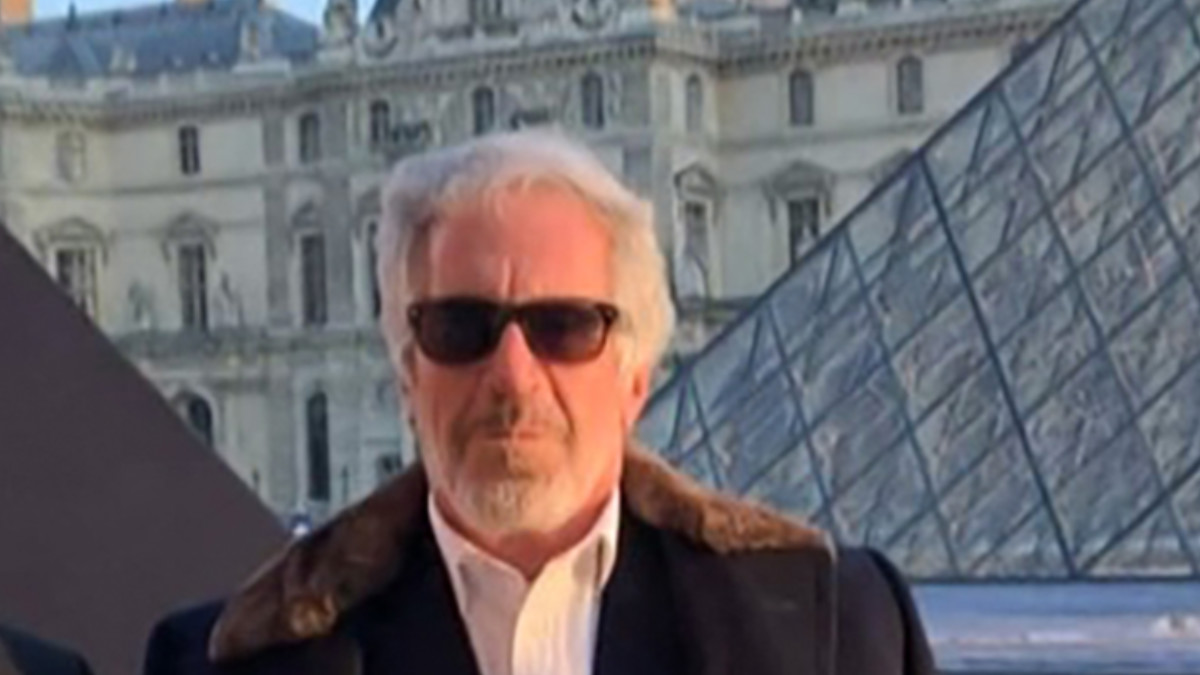
Newly released U.S. Justice Department documents reveal convicted sex offender Jeffrey Epstein’s attempts to mediate the 2017 Gulf diplomatic crisis through unofficial channels. The emails, made public over the weekend, show Epstein advising Qatari royalty on how to improve relations with the Trump administration by normalizing ties with Israel.
During the June 2017 blockade of Qatar by Saudi Arabia and the UAE—which received backing from President Trump—Epstein corresponded with Jabor Yousef Jassim Al Thani, a Qatari businessman and royal family member. In a July 9, 2017 email, Epstein suggested Qatar could end its isolation by either recognizing Israel or establishing a $1 billion fund for terrorism victims, with a matching contribution request to other Gulf Cooperation Council members.
Epstein pointed to India’s approach as a model, writing: ‘The Indian Prime Minister Modi took advice and danced and sang in Israel for the benefit of the US president. They had met a few weeks ago. IT WORKED!’ He advised that Qatar needed to ‘sing and dance’ for Israel rather than ‘kicking and arguing’ to gain Trump’s favor.
The correspondence reveals Epstein’s significant connections to Middle Eastern intelligence networks and political figures, particularly former Israeli Prime Minister Ehud Barak. Despite his 2019 jail cell death—ruled a suicide—Epstein maintained active diplomatic engagement until the end.
Epstein correctly assessed that Turkey’s military deployment to Qatar in summer 2017 made a military invasion ‘no longer viable.’ He subsequently positioned himself as a mediator, attempting to arrange meetings between Saudi Crown Prince Mohammed bin Salman (MBS) and former Qatari Prime Minister Hamad bin Jassim bin Jaber Al Thani (HBJ).
The emails confirm Epstein successfully brokered a December 2018 meeting in London’s exclusive One Hyde Park between Barak and the former Qatari official, facilitated by Jabor Al Thani. Follow-up correspondence indicated discussions about a ‘security company’ and mutual satisfaction with the encounter, offering rare insight into track II diplomacy orchestrated by a controversial figure.