A classified United Nations document chronicling a pivotal 2011 telephone discussion between then-Turkish Foreign Minister Ahmet Davutoglu and UN Secretary-General Ban Ki-moon has surfaced among the possessions of convicted sex offender Jeffrey Epstein. This confidential memorandum, dated 16 August 2011, details diplomatic exchanges during a critical juncture in the Syrian uprising, raising questions about how such sensitive material reached Epstein’s archives.
The document captures high-stakes diplomacy as Syria descended into conflict. Davutoglu revealed his extensive diplomatic efforts with Syrian President Bashar al-Assad, including a six-hour meeting featuring three and a half hours of private discussion. The Turkish minister had presented Assad with urgent reform requirements and a clear warning: implement immediate changes or face international isolation comparable to Saddam Hussein and Muammar Gaddafi.
According to the transcript, Davutoglu expressed bewilderment at Assad’s decision to launch military operations in Hama during Ramadan, despite earlier agreements to withdraw tanks and permit international observers. The document reveals that Davutoglu advised Assad to expect diminishing credibility unless he allowed international commissions into Syrian cities and implemented substantive political reforms.
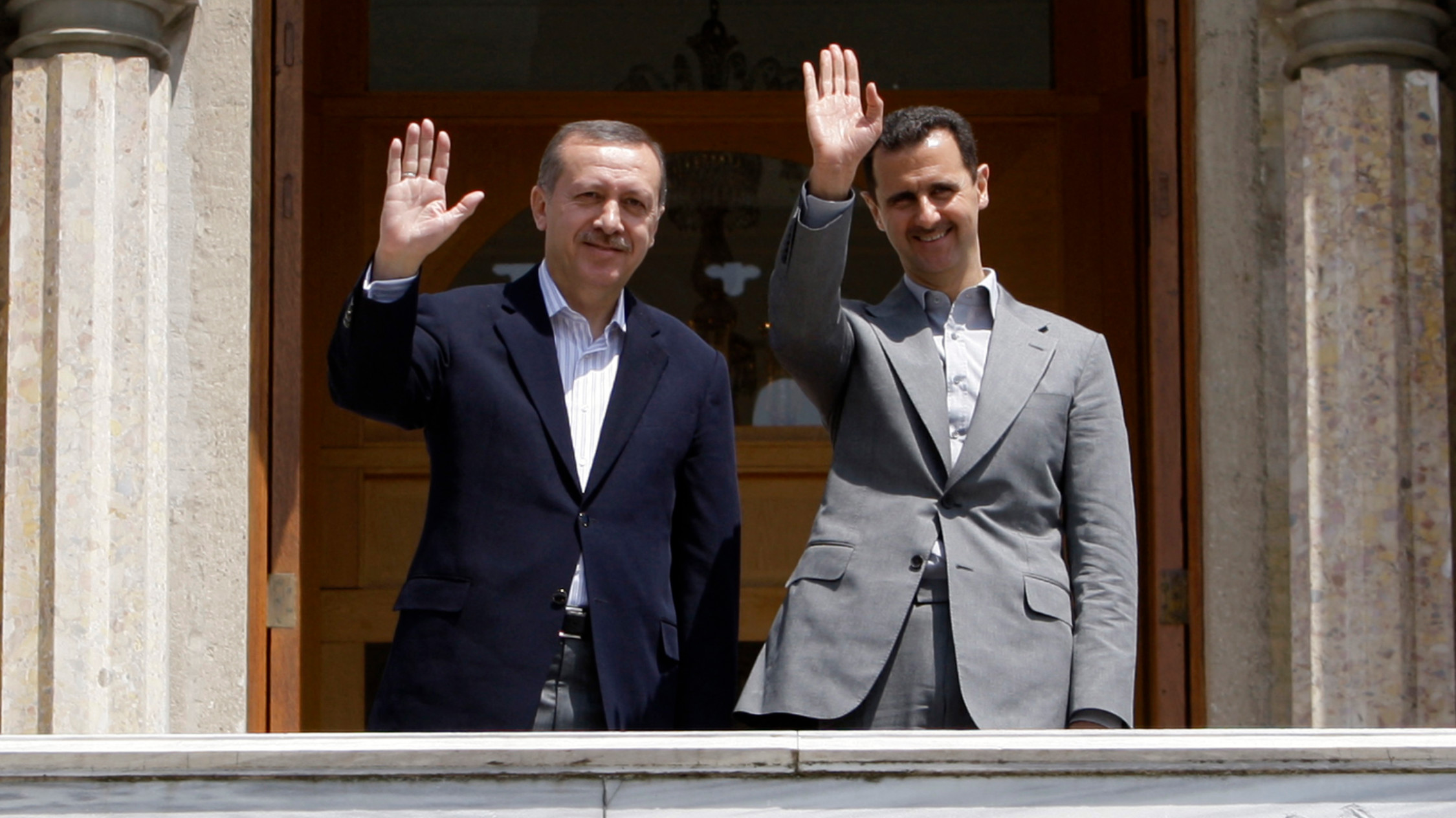
The correspondence further discloses coordinated international pressure, with Secretary Hillary Clinton and President Barack Obama consulting Turkish leadership before Obama’s planned address calling for Assad’s departure. Turkish Prime Minister Recep Tayyip Erdogan personally urged Assad to act before Obama’s speech rendered his position untenable.
Additional Epstein communications indicate his ongoing interest in Syrian affairs, including an October 2015 email exchange where entrepreneur Joi Ito sought Epstein’s assistance in securing a prisoner’s release from Syrian detention. Epstein’s brief response (‘Not for email’) suggests cautious engagement with Syrian matters.
The UN document also encompasses Turkish-Israeli negotiations following the 2010 Mavi Marmara incident, detailing Turkey’s diplomatic strategy including potential International Court of Justice action and naval demonstrations in the Mediterranean.