BRUSSELS — European Union diplomats are engaged in intensive negotiations to finalize an unprecedented plan that would utilize frozen Russian assets as collateral for a massive loan package to support Ukraine’s economic and military requirements through 2026. This development comes as EU leaders prepare for a critical summit later this week aimed at securing Ukraine’s financial stability amid Russia’s ongoing invasion.
With Ukraine’s needs estimated by the International Monetary Fund at approximately €135 billion ($157 billion), the proposed mechanism represents a groundbreaking financial approach to wartime support. Swedish EU Affairs Minister Jessica Rosencrantz emphasized the urgency, stating, “We do not have the luxury of time. The cost and risk of doing nothing is greater than acting decisively.”
The complex proposal faces significant challenges, including concerns from the European Central Bank about potential impacts on euro confidence and fears of Russian retaliation. Belgium, where the majority of Russian assets are held through the Euroclear financial clearinghouse, remains the primary opponent due to these security and economic concerns.
Two distinct approaches have emerged: Plan A involves creating a “reparations loan” using Russian assets until Moscow agrees to pay war damages, while Plan B would require the EU to borrow on financial markets—a challenging proposition given many member states’ existing debt burdens. The frozen assets, totaling approximately €210 billion ($247 billion), were indefinitely secured last Friday to prevent obstruction by Moscow-friendly governments like Hungary and Slovakia.
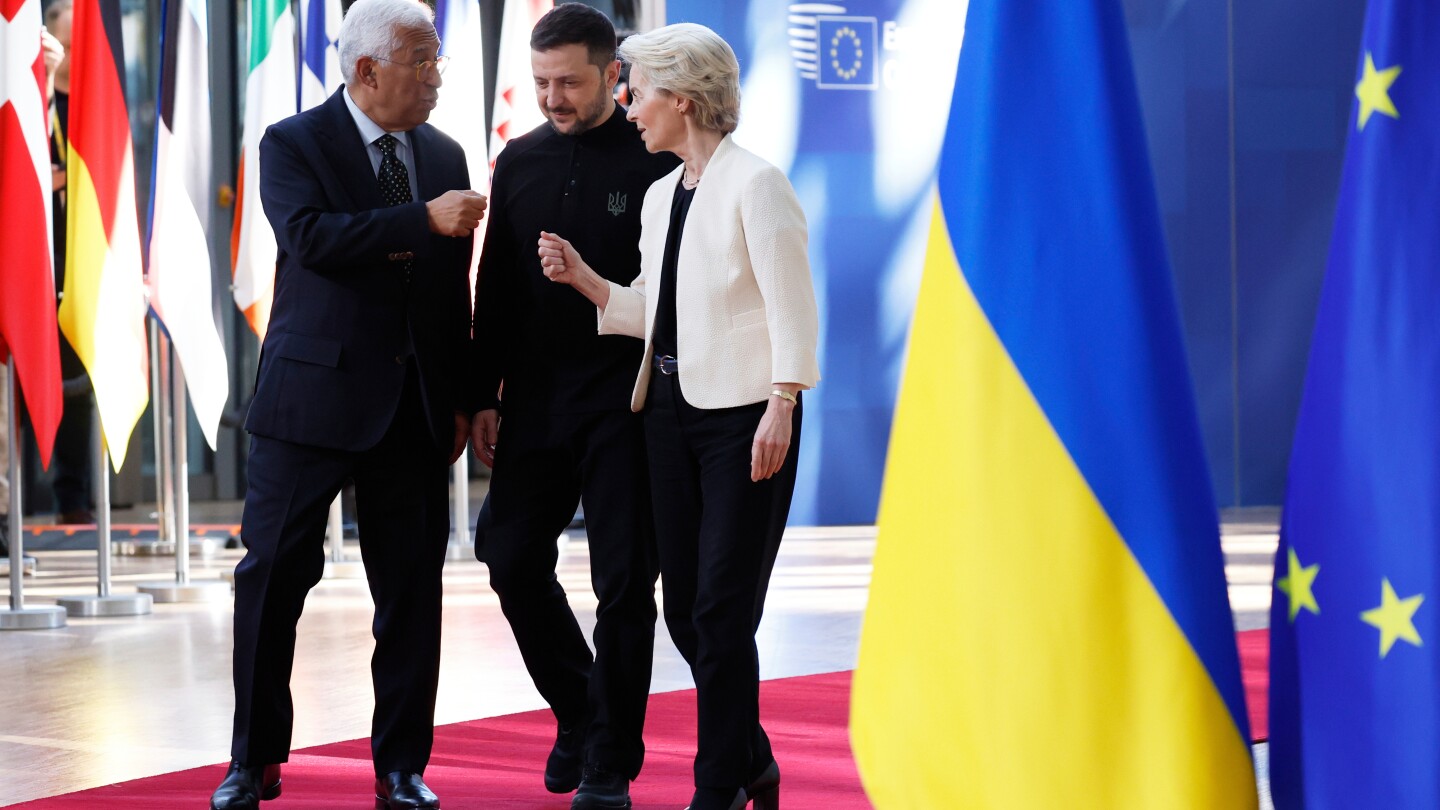
European Commission President Ursula von der Leyen has proposed the EU cover two-thirds of Ukraine’s needs through a €90 billion ($105 billion) loan, with international partners providing the remainder. The mechanism would transfer accumulated cash balances from sanctioned Russian assets to an EU debt instrument, with repayment contingencies tied to future sanctions lifting and Russian reparations agreements.
Despite legal challenges from the Russian Central Bank and Belgium’s continued reservations, supporters argue the plan represents a vital financial security guarantee for Ukraine. German and Swedish commitments to share potential risks have strengthened the proposal’s viability as leaders work toward a qualified majority decision that would bypass potential vetoes from dissenting member states.