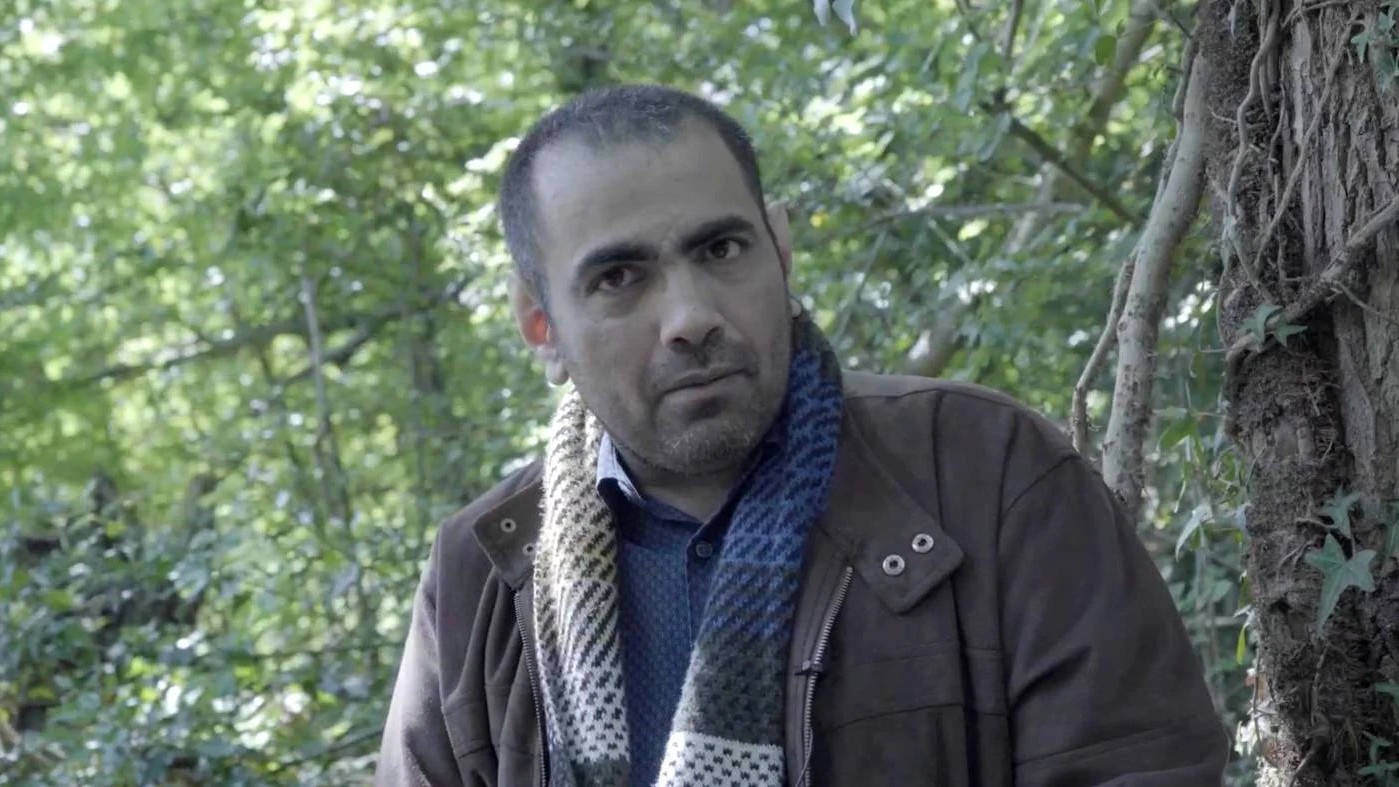
In a landmark ruling with significant implications for state accountability, the English High Court has mandated the Kingdom of Saudi Arabia to pay over £3 million in damages to a London-based dissident. The court conclusively determined that Saudi authorities were responsible for infecting the activist’s phone with Pegasus spyware and orchestrating a physical assault against him.
The judgment, delivered by Judge Pushpinder Saini, found Ghanem al-Masarir—a former Saudi citizen and prominent human rights campaigner—entitled to substantial compensation for severe psychiatric injuries. These injuries stemmed from the 2018 hacking of his phone using the notorious Pegasus surveillance tool, acquired from the Israeli cyber-arms firm NSO Group, and a coordinated physical attack outside Harrods department store in London that same year.
Judge Saini’s ruling emphasized a clear pattern of intimidation against Masarir between 2015 and 2019, directly linking these acts to the Saudi state’s motivation to silence his public criticism. The court rejected Saudi Arabia’s initial claim of state immunity under the 1978 State Immunity Act, a defense that was ultimately dismissed in 2022. A subsequent appeal by the kingdom was struck out in 2024 after it failed to pay court costs.
The Pegasus software, as detailed in proceedings, grants remote access to an infected device, enabling data extraction, location tracking, and the interception of calls and ambient communications. The court found no legal justification for this invasive surveillance or the physical violence inflicted upon Masarir, who was exercising his fundamental right to free speech.
Masarir, who has lived in the UK since 2003 and was granted asylum in 2018, expressed that the ruling closes a ‘long and painful chapter.’ His YouTube channel, which has garnered over 300 million views, has been a primary platform for his advocacy. While acknowledging that no financial sum can undo his suffering, he expressed hope that Saudi Arabia would comply with the judgment promptly.
The case sets a powerful precedent. Yahya Assiri, another UK-based Saudi dissident and founder of the rights group Alqst whose phone was also hacked, hailed the verdict as a victory for all human rights defenders. This ruling occurs against a backdrop of wider concerns, following a 2021 investigation that revealed hundreds of British citizens, including lawyers and academics, had been targeted by Pegasus spyware, with accusations pointing to both the UAE and Saudi Arabian governments.