Global energy markets experienced significant volatility Monday as escalating Middle East tensions triggered substantial disruptions to maritime traffic through the strategically vital Strait of Hormuz. Benchmark crude indices surged dramatically, with U.S. oil climbing 8% to $72.40 per barrel and international standard Brent crude rising 8.8% to $79.30 per barrel. The price movements came as satellite navigation systems experienced widespread interference and multiple vessels reported attacks in the region.
The energy shock extended beyond oil markets, with European natural gas futures skyrocketing over 40% following QatarEnergy’s announcement that it would halt liquefied natural gas production due to the ongoing conflict. This development poses particular concern for European nations already grappling with energy security challenges following the reduction of Russian pipeline gas.
Maritime authorities confirmed several security incidents, including a drone boat attack on a Marshall Islands-flagged tanker in the Gulf of Oman that resulted in one casualty. Simultaneously, Saudi defenses intercepted Iranian drones targeting the critical Ras Tanura oil refinery near Dammam, prompting precautionary shutdowns of facility operations.
Market analysts emphasized the Strait of Hormuz’s indispensable role in global energy logistics, with approximately 20% of worldwide oil supply transiting through this narrow passage. Despite existing pipeline infrastructure that bypasses the strait, Saudi Arabia, Iraq, and the United Arab Emirates remain heavily dependent on tanker traffic for exporting their hydrocarbon production.
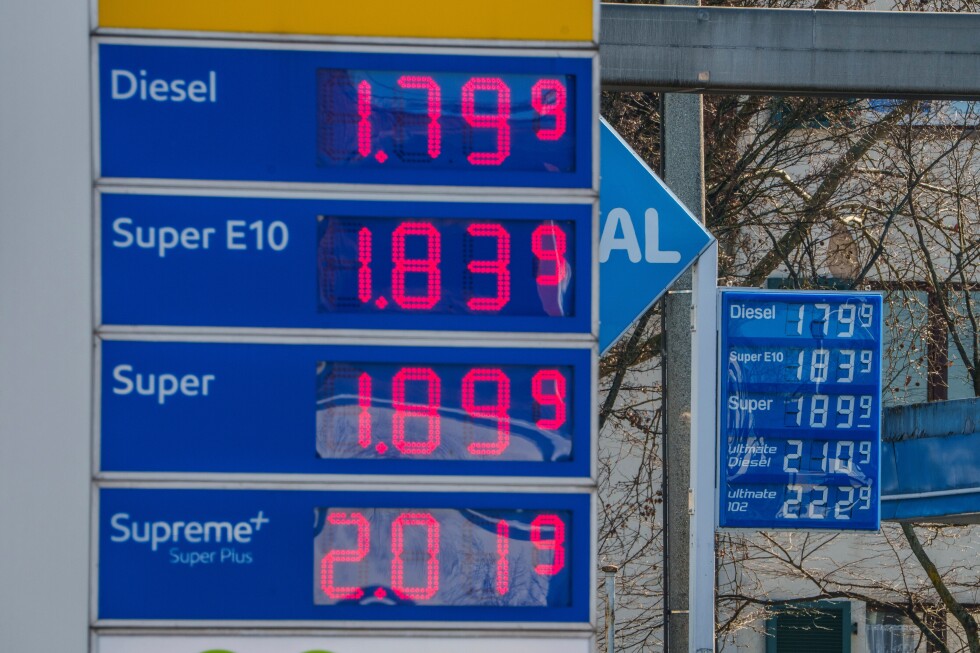
The price surge arrives as U.S. consumers already face increasing gasoline costs, with the national average approaching $3 per gallon ahead of the summer driving season. Economists warn that sustained oil price increases could add 0.5 percentage points to European consumer prices, potentially complicating central banks’ inflation management strategies.
Market observers suggest the current price spike incorporates substantial risk premium, with further escalation contingent on the conflict’s duration and potential expansion to additional energy infrastructure. The coming weeks will likely determine whether these price movements represent temporary volatility or the beginning of more persistent energy market disruption.