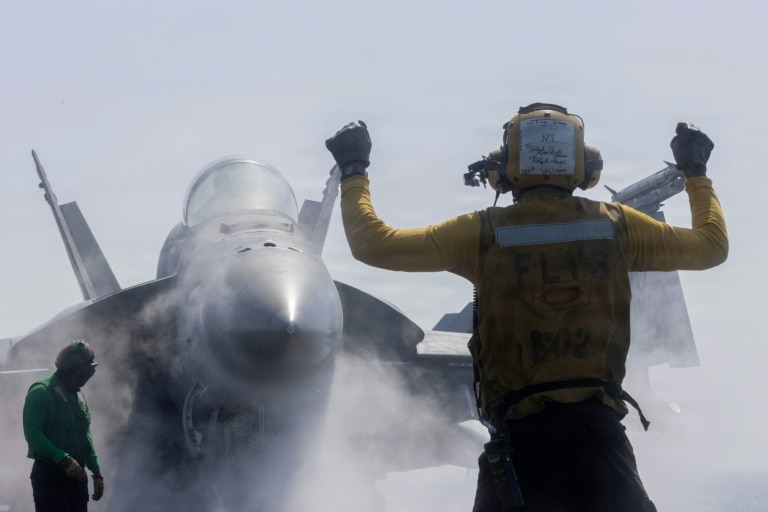
Financial markets worldwide experienced significant turbulence on Monday following a dramatic escalation of military conflict in the Middle East. The commencement of U.S. and Israeli strikes against Iran over the weekend triggered a chain reaction across global economies, with energy commodities surging while equity markets faced substantial declines.
The energy sector witnessed remarkable gains as Brent crude oil futures climbed 8.0 percent to reach $78.65 per barrel, while West Texas Intermediate increased by 7.5 percent to $72.02. European natural gas prices experienced an even more dramatic surge, skyrocketing over 20 percent amid growing concerns about potential disruptions to Middle Eastern energy supplies. This price surge generated substantial gains for energy corporations globally, with Australia’s Woodside Energy jumping more than six percent, while industry giants including PetroChina, TotalEnergies, and Shell recorded gains between three and four percent.
Conversely, global stock markets faced considerable pressure as investors shifted capital toward traditional safe-haven assets. Major European indices including London’s FTSE 100, Paris’s CAC 40, and Frankfurt’s DAX all registered declines between 0.8 and 1.7 percent. Asian markets mirrored this trend, with Tokyo’s Nikkei 225 and Hong Kong’s Hang Seng Index dropping 1.4 and 2.1 percent respectively. The flight to safety bolstered both the U.S. dollar, which gained nearly one percent against the British pound, and gold, which advanced 2.1 percent to $5,389.5 per ounce.
The transportation sector emerged as one of the most severely affected industries, with airline stocks suffering substantial losses. Carriers including Qantas, Singapore Airlines, and British Airways owner IAG each declined approximately five percent, while Air France-KLM plummeted more than eight percent in Paris trading following widespread flight cancellations to and from the Middle East.
Market analysts expressed concern about the potential for prolonged economic repercussions. Susannah Streeter, chief investment strategist at Wealth Club, observed that ‘investors are scuttling towards safe havens, seeking shelter as conflict widens in the Middle East.’ Economists warned that sustained energy price increases could generate stickier headline inflation, potentially complicating monetary policy decisions for central banks worldwide.
Eric Dor, economist at the IESEG School of Management in Paris, highlighted the broader economic implications: ‘Rising energy prices, increased shipping costs and loss of revenue for air transport could have a harmful effect on growth. If it’s a matter of three days, it’s not serious. But if it’s over a longer period, then it will have an additional recessionary effect.’
The strategic Strait of Hormuz, through which approximately 20 percent of global seaborne oil passes, has effectively shut down with several ships reportedly attacked, creating additional supply chain concerns. While oil-importing nations maintain strategic reserves—with OECD members required to stockpile 90 days’ worth—analysts cautioned that prices exceeding $100 per barrel remain a distinct possibility if disruptions persist.