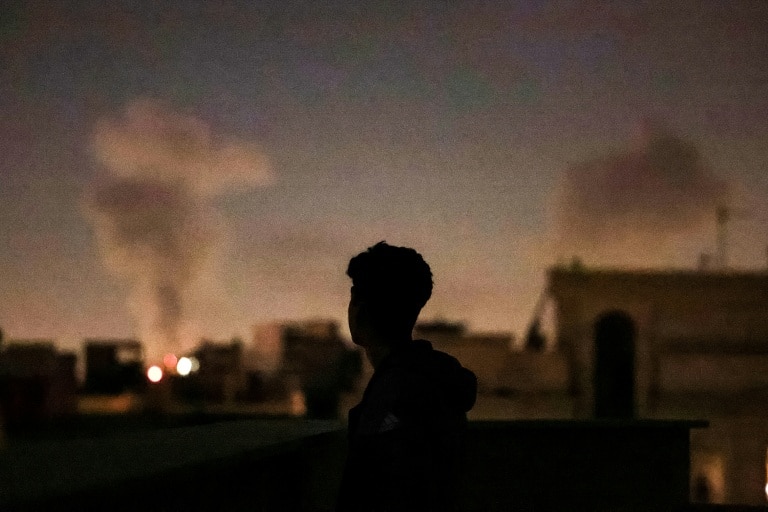
As external military operations intensify against Iran, the Islamic Republic has initiated an unprecedented internal crackdown, transforming Tehran’s streets into heavily fortified security zones. Following the lethal strike that eliminated Supreme Leader Ayatollah Ali Khamenei, Iranian authorities have deployed massive security resources not against foreign adversaries but toward suppressing potential domestic unrest.
The Revolutionary Guard Corps (IRGC) and its Basij militia volunteers have established pervasive checkpoints throughout urban centers, employing armed personnel and heavy weaponry to create an atmosphere of intimidation. Security forces now routinely inspect vehicles, search personal communications devices, and maintain constant surveillance on citizens. This massive security apparatus—estimated by strategic analysts to include approximately 850,000 enforcement agents—significantly outnumbers Iran’s conventional military forces.
Simultaneously, the regime has implemented a comprehensive internet blackout, severing the population from global information networks while threatening those attempting to bypass restrictions with criminal charges. The Ministry of Intelligence has further escalated tensions by encouraging citizens to report each other for suspected foreign connections, particularly those photographing sensitive locations.
Despite these measures, nighttime protests continue with residents chanting anti-government slogans from their homes. The situation presents a complex dilemma for citizens caught between external military actions and internal repression, with many expressing hope for future freedom while currently prioritizing survival under the regime’s intensified security measures.