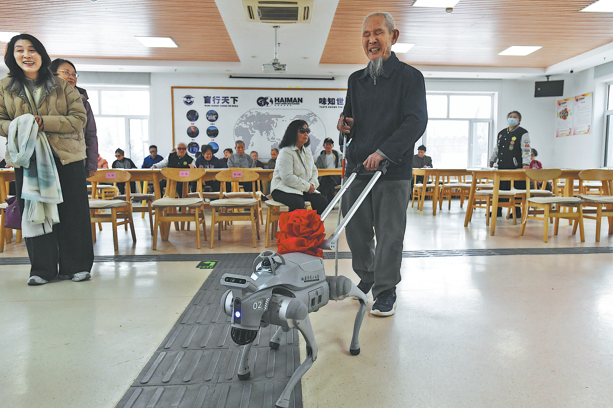
China’s rapidly aging population presents both a demographic challenge and a catalyst for technological innovation, according to Guo Zhe, director of the China Science and Technology Museum. With over 220 million citizens aged 65 and above—representing 15.6% of the population—the nation faces unique pressures to develop age-friendly technologies that can transform elderly care.
Artificial intelligence stands at the forefront of this transformation, introducing profound changes across economic sectors and daily life. Guo emphasizes that current technological development must prioritize elderly needs rather than simply upgrading existing facilities. The very design of architecture, furniture, and equipment requires systematic reimagining to accommodate demographic realities.
The technological revolution extends beyond practical assistance to emotional companionship. Humanoid robots are evolving beyond physical mimicry to provide genuine emotional support and basic communication capabilities. Through deep learning, machines may eventually develop basic consciousness, fundamentally altering how society addresses loneliness among the elderly.
Biotechnological advancements are simultaneously redefining biological aging itself. breakthroughs in genetic technology, gene sequencing, and synthetic biology could extend human life spans to 120 years, potentially resetting the threshold of ‘elderly’ to 80 years. Medical advancements against cancer and chronic diseases promise improved health and happiness for aging populations.
Emerging technologies like brain-computer interfaces demonstrate particular promise, enhancing muscle nerve functions and helping paralyzed individuals regain limb control. As smart technologies proliferate in homes, new roles such as ‘family data managers’ will become crucial for managing health data and facilitating remote healthcare.
Guo describes this period as ‘the compressed era,’ where changes that once took centuries now occur within years or months. This acceleration brings both uncertainty and urgency, requiring collective effort to create inclusive environments that leverage technology for all age groups. By embracing these changes, China can transform its aging challenge into opportunities for growth and innovation.