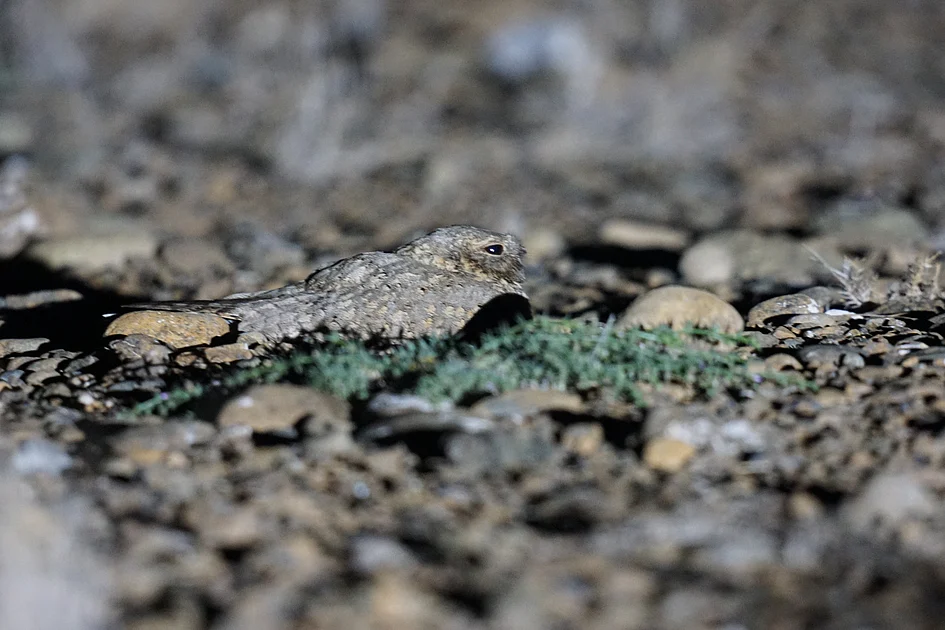
In a significant ecological development, the Egyptian Nightjar (Caprimulgus aegyptius) has been successfully documented returning to Fujairah’s Wadi Wurayah Biosphere Reserve after completing a five-year migration cycle. The remarkable rediscovery occurred in January 2026 during routine environmental surveillance operations conducted by conservation specialists.
The individual specimen was originally captured and ringed with identification markers in 2021 as part of an extensive avian research initiative. During the initial documentation, researchers recorded comprehensive biological metrics including wing morphology, body mass, and physiological characteristics before releasing the bird to monitor its migratory behavior.
The Fujairah Environment Authority’s long-term monitoring program proved instrumental in verifying the bird’s identity upon its return. This recapture event demonstrates the effectiveness of sustained ringing programs in tracking avian movement patterns across extended temporal scales. The discovery provides invaluable insights into species fidelity to specific habitats and migration chronology.
Nestled within the Hajar Mountain range, the UNESCO-recognized biosphere reserve serves as a critical sanctuary for nocturnal and migratory bird species. The protected area’s unique ecosystem—characterized by permanent freshwater pools, undisturbed gravel plains, and secluded wadi formations—provides essential resources for species navigating arid regional migration corridors.
The Egyptian Nightjar, a crepuscular and ground-nesting species, exhibits particular sensitivity to anthropogenic disturbances. Its consistent return to Wadi Wurayah underscores the reserve’s conservation significance and the species’ preference for pristine habitats within the eastern Arabian Peninsula. Wildlife authorities continue to monitor multiple species dependent on the reserve’s permanent water sources and protected ecosystems.