In a strategic maneuver to mend strained diplomatic relations, Egyptian intelligence agencies provided Saudi authorities with critical information regarding United Arab Emirates operations in Yemen, according to a senior Egyptian presidential source. This intelligence sharing occurred against the backdrop of deteriorating Saudi-Emirati relations and growing Egyptian concerns about UAE-backed separatist movements across the region.
Egyptian officials reportedly monitored Emirati naval movements using advanced surveillance systems prior to Saudi operations against the UAE-supported Southern Transitional Council (STC) in Yemen. The intelligence package included detailed coordinates, activity patterns, and intercepted communications showing Emirati objectives and coordination with southern Yemeni forces. This intelligence collaboration formed part of what the source described as a ‘carefully planned manoeuvre’ to restore Saudi support while addressing threats to Egyptian national security.
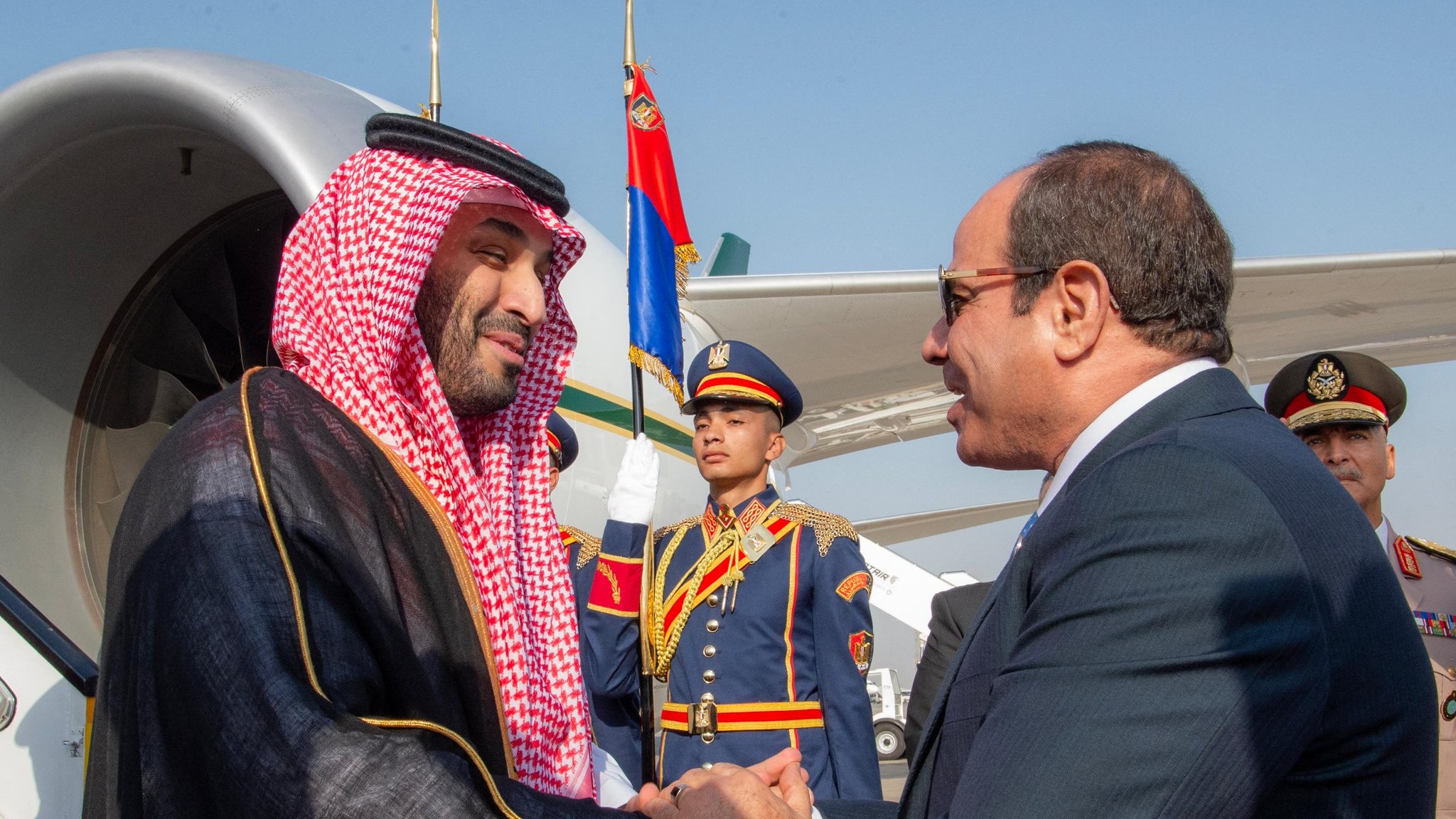
The intelligence transfer coincided with Saudi Foreign Minister Prince Faisal bin Farhan’s visit to Cairo earlier this month, where both nations agreed to coordinate closely on Yemen and Sudan. Following these discussions, Saudi Arabia requested Egyptian naval forces to prepare for disrupting potential supply routes from the UAE to southern Yemen. Egyptian Mistral-class vessels were subsequently deployed further south in the Red Sea to monitor Emirati activity.
The diplomatic shift has drawn sharp objections from Abu Dhabi, with Emirati officials warning Egypt against improving relations with Riyadh ‘at the UAE’s expense.’ Despite these tensions, Egypt has increasingly aligned with Saudi Arabia’s position on preserving Yemeni unity, viewing Emirati support for separatist movements as contrary to Egypt’s long-term regional priorities.
This realignment extends beyond intelligence sharing to economic decisions, including Egypt’s recent rejection of a UAE-based company’s offer to acquire additional shares in the strategic Alexandria Container and Cargo Handling Company. The ongoing Yemen conflict and its impact on Red Sea security have become central to Egyptian policy calculations, with Houthi attacks on commercial shipping directly threatening the vital Suez Canal revenue.