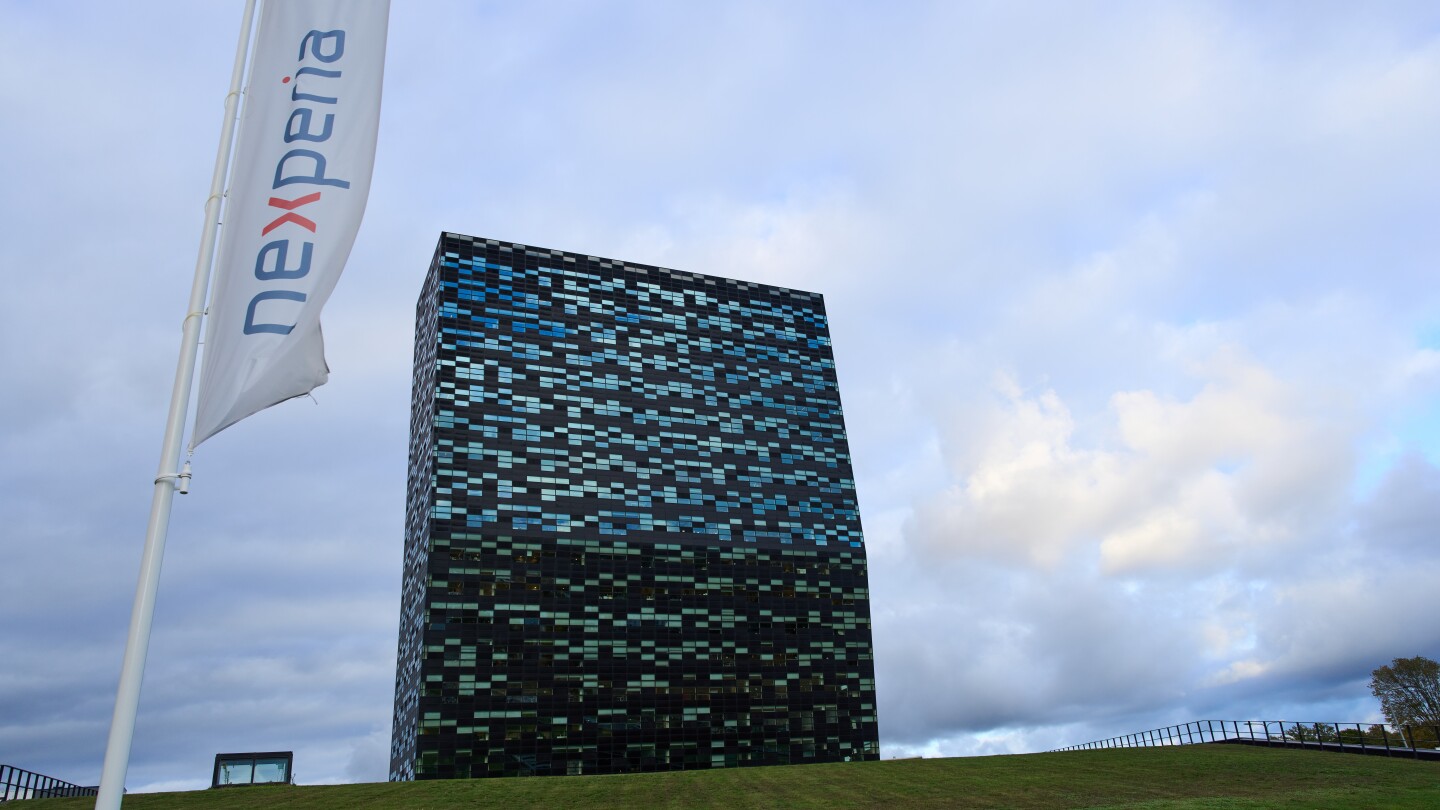
AMSTERDAM (AP) — A high-stakes legal confrontation unfolded Wednesday at the Amsterdam Court of Appeal, where semiconductor manufacturer Nexperia became the focal point of an international corporate governance dispute with far-reaching implications for global supply chains.
The enterprise chamber convened to determine whether to initiate a formal investigation into alleged management failures at the Dutch-based chipmaker, which is ultimately owned by China’s Wingtech. This judicial proceeding represents the latest chapter in an escalating geopolitical corporate drama that first erupted into public view in September.
Citing pressing national security considerations, the Dutch government executed an extraordinary intervention in late September, assuming temporary operational control of Nexperia and ousting Chinese CEO Zhang Xuezheng, who concurrently founded parent company Wingtech. Authorities expressed specific concerns regarding potential intellectual property transfers and broader management practices.
Legal representatives for Zhang and Wingtech mounted a vigorous defense, characterizing their client as an accomplished entrepreneur navigating complex international trade tensions. They asserted that the Dutch government’s sudden maneuver caught Wingtech completely unprepared and urged the judicial panel to reject the proposed investigation. Zhang himself was notably absent from the proceedings.
Nexperia’s counsel, Jeroen van der Schriek, presented counterarguments suggesting that Wingtech and Hong Kong-based holding company Yuching had demonstrated willingness to prioritize external interests over Nexperia’s operational welfare since October’s developments.
The corporate struggle triggered tangible global repercussions when Beijing temporarily suspended exports of Nexperia chips from Chinese production facilities in October. This action sent automotive manufacturers across North America, Japan, and South Korea scrambling for alternatives, given Nexperia’s significant role in automotive semiconductor supply chains.
The export restriction was subsequently lifted following diplomatic engagement between U.S. President Donald Trump and Chinese Leader Xi Jinping in late October. By November, the Dutch government relinquished its control over Nexperia as a goodwill gesture, though underlying tensions persisted.
An internal standoff between Nexperia’s Netherlands headquarters and its Chinese operations continued to disrupt production workflows, with the Chinese division alleging shipment interruptions of essential wafers from Europe. The headquarters countered that its Chinese subsidiary had disregarded direct instructions, exacerbating supply chain uncertainties.
Major automakers including Honda and Mercedes-Benz experienced production disruptions and sought emergency semiconductor alternatives during the crisis. China’s Ministry of Commerce subsequently accused the Netherlands of provoking a global chip shortage and demanded immediate corrective actions.
Originally established as a Philips Semiconductors division two decades ago, Nexperia was acquired by Wingtech in 2018. The company faced previous regulatory challenges when the British government blocked its acquisition of Wales-based Newport Wafer Fab in 2023, citing national security risks.