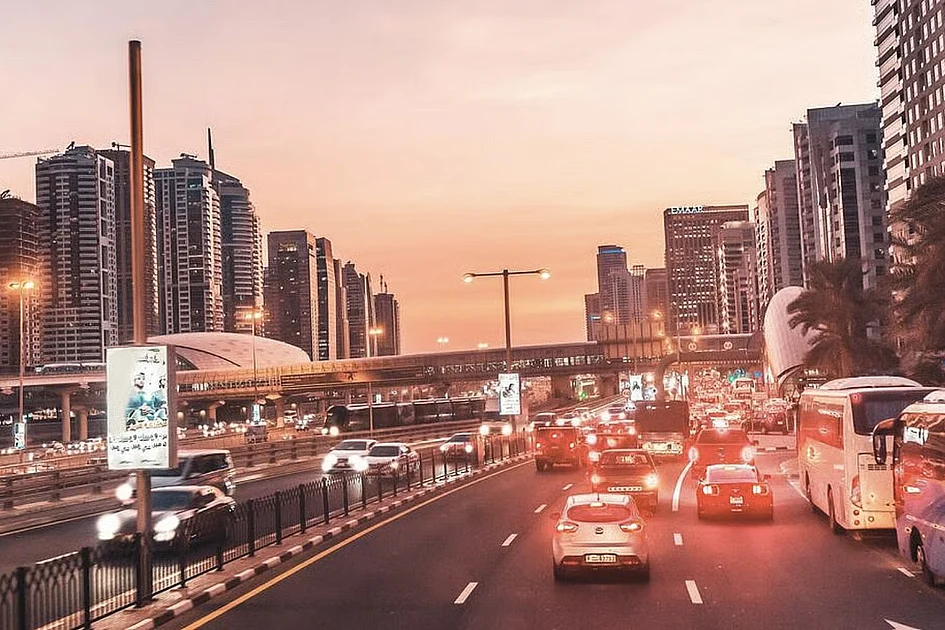
A significant market shift is underway in Dubai’s real estate sector, where properties boasting superior accessibility and multiple entry-exit points are now commanding substantial price premiums. Industry experts report that strategic locations offering smoother connectivity and reduced commute times can attract premiums of 10% to 20% above market rates, a trend directly fueled by the emirate’s escalating traffic congestion.
This growing demand has prompted developers to prioritize land plots with immediate access to major highways and enhanced internal road networks. According to Rizwan Sajan, Founder and Chairman of Danube Properties, location has become paramount for all market participants due to mounting traffic challenges. He highlighted a recent project in Jumeirah Village Circle (JVC), noting that while the area offers excellent amenities, its proximity to Al Khail Road provides a critical advantage for residents seeking quicker access to key transportation arteries.
Supporting this trend, recent data from TomTom Traffic reveals a sharp increase in average commute times. In 2025, motorists required 19.1 minutes to travel 10 kilometers, up significantly from 13.7 minutes in 2024. This congestion has reduced average rush-hour speeds to 26.3 km/h, creating tangible pressure on residents’ daily routines.
Tauseef Khan, Founder and Chairman of Dugasta Properties, emphasized that the classic real estate mantra of ‘location, location, location’ has evolved beyond mere prestige. “Location now directly influences stress levels, productivity and daily time lost in traffic,” Khan stated, noting that efficient movement has become a primary decision-making factor for both residents and businesses.
Developers are responding by focusing on master-planned communities featuring multiple access points, proximity to arterial roads, and congestion-easing measures. Properties within a 10-minute radius of metro stations particularly demonstrate stronger absorption rates and rental performance, mirroring global trends where accessible luxury enclaves outperform congested urban centers.
While the traffic situation presents challenges, it also reflects Dubai’s rapid population growth and economic expansion. The government continues to invest in infrastructure projects aimed at improving mobility, even as developers create more affordable housing options to help residents relocate closer to their workplaces and reduce cross-emirate commuting.