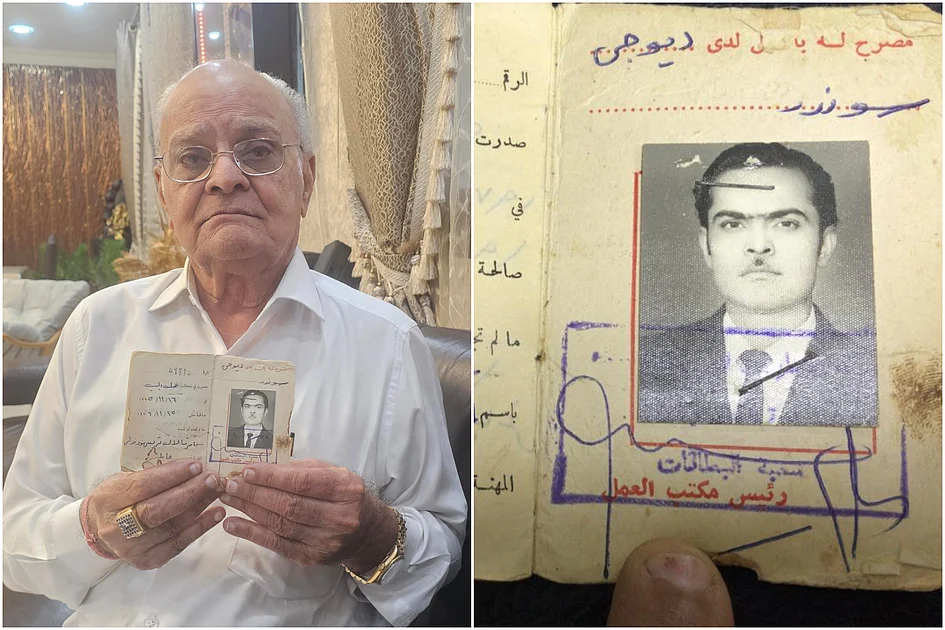
In 1973, when gold traded at a mere Dh6 per gram, Amratlal Tribhovan Das arrived in Dubai with minimal possessions but immense ambition. Now, 52 years later, his manufacturing facility produces approximately 150 kilograms of gold ornaments monthly, supplying clients throughout the GCC region.
Das vividly recalls his arrival on December 13, 1973, via an Air India flight from Mumbai. The Dubai he encountered contrasted sharply with today’s metropolis—a modest settlement with approximately ten gold shops lining Dubai Creek, where hand-paddled abras transported passengers for just 10 fils.
Born in Gujarat’s Junagadh district in 1941, Das trained as a goldsmith in Mumbai before seizing emerging Gulf opportunities. His relocation occurred unexpectedly when his intended ship transport encountered mechanical issues, forcing him to utilize his expiring visa via air travel—a substantial investment costing Rs1,100 at the time.
Initial attempts to establish a workshop in Dubai proved challenging, prompting relocation to Sharjah where electricity availability was limited to three-hour intervals per street. This obstacle inspired adaptive work patterns: crafting jewelry during powered hours and resting during outages.
A pivotal shift occurred in 1976 when revised trade license regulations enabled entrepreneurial expansion. Das partnered with a relative, combining financial investment with artisanal expertise to establish a home-based workshop. This venture evolved into Yogesh Jewellers near Sharjah Cinema by 1980, eventually transitioning exclusively to manufacturing.
Das’s craftsmanship gained recognition through an Italian-style bangle design that achieved remarkable popularity within two months of its introduction. This innovation established his reputation within UAE’s gold industry, continuing a nine-generation family legacy in goldsmithing.
The expatriate’s journey mirrors Dubai’s transformation—from residency visas costing Dh10 in 1975 to contemporary global gold markets. Despite manufacturing expansion and 85 employees, Das cherishes the memory of purchasing his first Rado watch in 1979, which he continues to wear as a symbol of perseverance and realized dreams.