Dubai’s transportation landscape is poised for a transformative leap forward as the Roads and Transport Authority (RTA) unveils comprehensive mobility enhancements. The ambitious plan, confirmed by Director General Mattar Al Tayer, encompasses both immediate infrastructure expansions and futuristic transit solutions designed to address the emirate’s growing congestion challenges.
Over the next two years, Dubai will implement 13 kilometers of dedicated bus and taxi lanes across six critical corridors: Sheikh Sabah Al Ahmad Al Jaber Al Sabah Street, 2nd of December Street, Al Satwa, Al Nahda, Omar bin Al Khattab Street, and Naif Street. These distinctively marked pathways will be protected by a Dh600 fine for unauthorized vehicles, ensuring priority movement for public transportation. The RTA projects these lanes will deliver substantial benefits: a 10% increase in ridership, 42% improvement in punctuality, and 41% reduction in journey times.
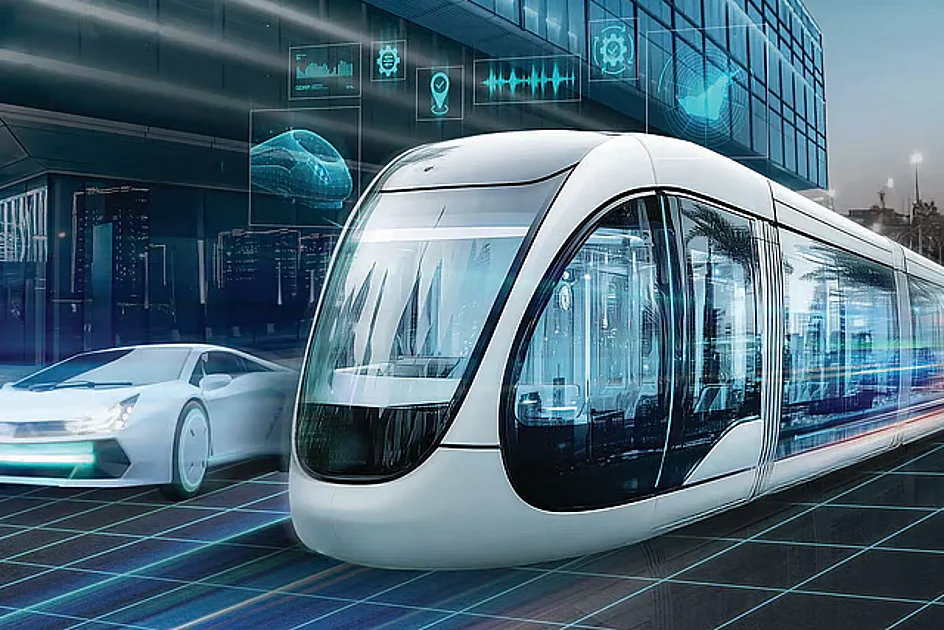
Concurrently, the RTA is conducting feasibility studies for a revolutionary trackless tram system across eight strategic locations. This cutting-edge transportation technology operates without physical rails, instead utilizing camera-guided virtual tracking along painted road markings. The fully autonomous, electric-powered vehicles represent a paradigm shift in urban mobility, offering comparable capacity to traditional trams at significantly reduced implementation costs and timelines.
Each articulated tram will feature three carriages with a 300-passenger capacity—triple that of conventional buses—with operational speeds ranging from 25-60 km/h and maximum speeds reaching 70 km/h. The system combines the high capacity of rail transport with the flexibility of bus networks, operating on fixed routes with designated stations while avoiding the infrastructure constraints of fixed-track systems.
These initiatives respond to Dubai’s pronounced traffic growth, which has surged at 10% over two years—far exceeding the global average of 2-4%. The comprehensive strategy includes dynamic toll pricing, heavy vehicle restrictions, and flexible work policies that could potentially reduce traffic volumes by up to 30% according to RTA estimates.
The announcement coincided with revealing Dubai’s 2025 public transport statistics, which recorded 802 million users across metro, buses, marine transport, shared mobility, and taxi services, averaging 2.2 million daily riders. Al Tayer emphasized the authority’s commitment to developing “an intelligent, sustainable and integrated public transport system” leveraging artificial intelligence for data management and customer experience enhancement, aligning with Dubai’s aspirations as a leading global city.