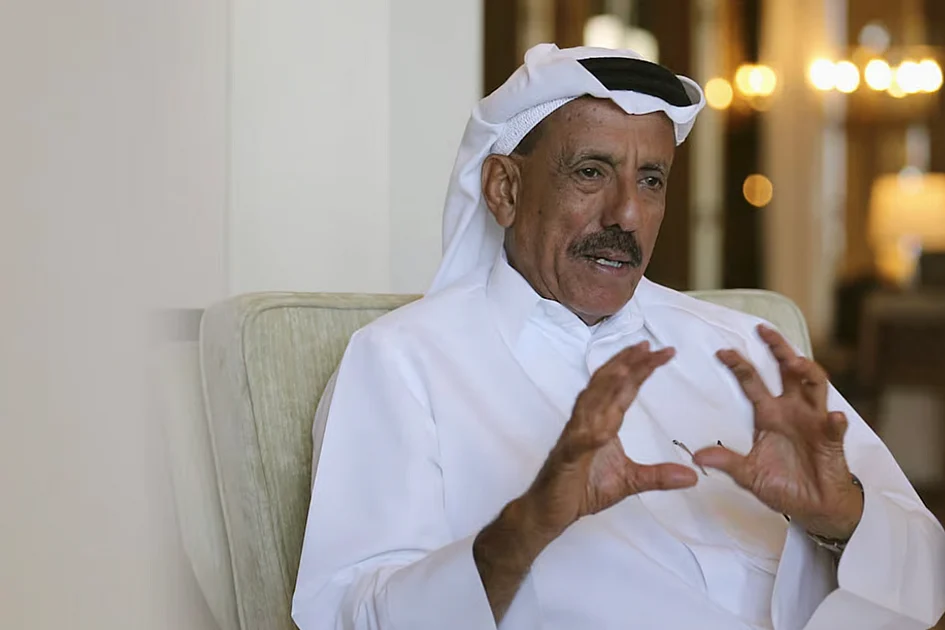
Prominent Dubai billionaire and philanthropist Khalaf Al Habtoor has issued a stern critique of U.S. President Donald Trump’s escalating international tactics, denouncing what he describes as a dangerous reliance on “exaggeration and the language of force” in global diplomacy. The comments come in direct response to a recent unprecedented U.S. military operation that resulted in the capture of Venezuelan President Nicolas Maduro, an event that has ignited intense global political debate.
Al Habtoor expressed profound concern over Trump’s subsequent threats toward multiple sovereign nations and territories, including Mexico, Colombia, Cuba, Iran, and Greenland. The Emirati business magnate questioned the strategic wisdom of creating international enmities, particularly with traditional NATO allies, arguing that such aggressive posturing prioritizes populism over sustainable peace. He emphasized that while the “language of war and escalation may seem more populist, peace is the best option.”
The billionaire advocated strenuously for diplomatic solutions, stating that legitimate U.S. security concerns should be addressed through negotiation and joint action with international partners rather than military confrontation. He warned that current approaches risk “opening doors to military confrontations that the world does not need today” and could sow “the seeds of conflict in more than one region.”
Al Habtoor specifically referenced Trump’s assertion that the U.S. would “run” Venezuela and his claim of being “not afraid of boots on the ground” as particularly destabilizing rhetoric. He further highlighted the concerning declaration by Trump on January 12th that he was the “acting president of Venezuela,” despite the absence of any legal framework or official documentation supporting such a role.
Calling for European nations to act as “an impregnable barrier against any rush that could lead to dangerous escalation,” Al Habtoor framed true leadership as the ability to manage differences and build consensus rather than ignite crises. The noted philanthropist, who has frequently provided aid to conflict zones, concluded that while peace may not be the easiest path, it remains the safest route to a stable and just global future, urging for “reason, wisdom, and self-control in addressing sensitive issues.”