HARARE, Zimbabwe — Sixteen years ago, Tafara Muvhevhi’s driving instruction focused on technical precision and exam preparation. Today, the Zimbabwean instructor prioritizes a more fundamental objective: keeping his students alive on some of the world’s most dangerous roads.
Zimbabwe faces a severe road safety crisis, with crashes occurring every 15 minutes and claiming approximately five lives daily while injuring 38 others, according to national traffic authorities. Road accidents rank among the country’s leading causes of death, with fatality rates among Africa’s worst.
The transformation from Zimbabwe’s once-orderly road system to its current state of traffic chaos traces back to the 2000s. Economic decline crippled road maintenance, informal public transportation expanded rapidly, and enforcement mechanisms weakened significantly. Despite recent repair initiatives and policing efforts, dangerous driving practices remain deeply embedded in the transportation culture.
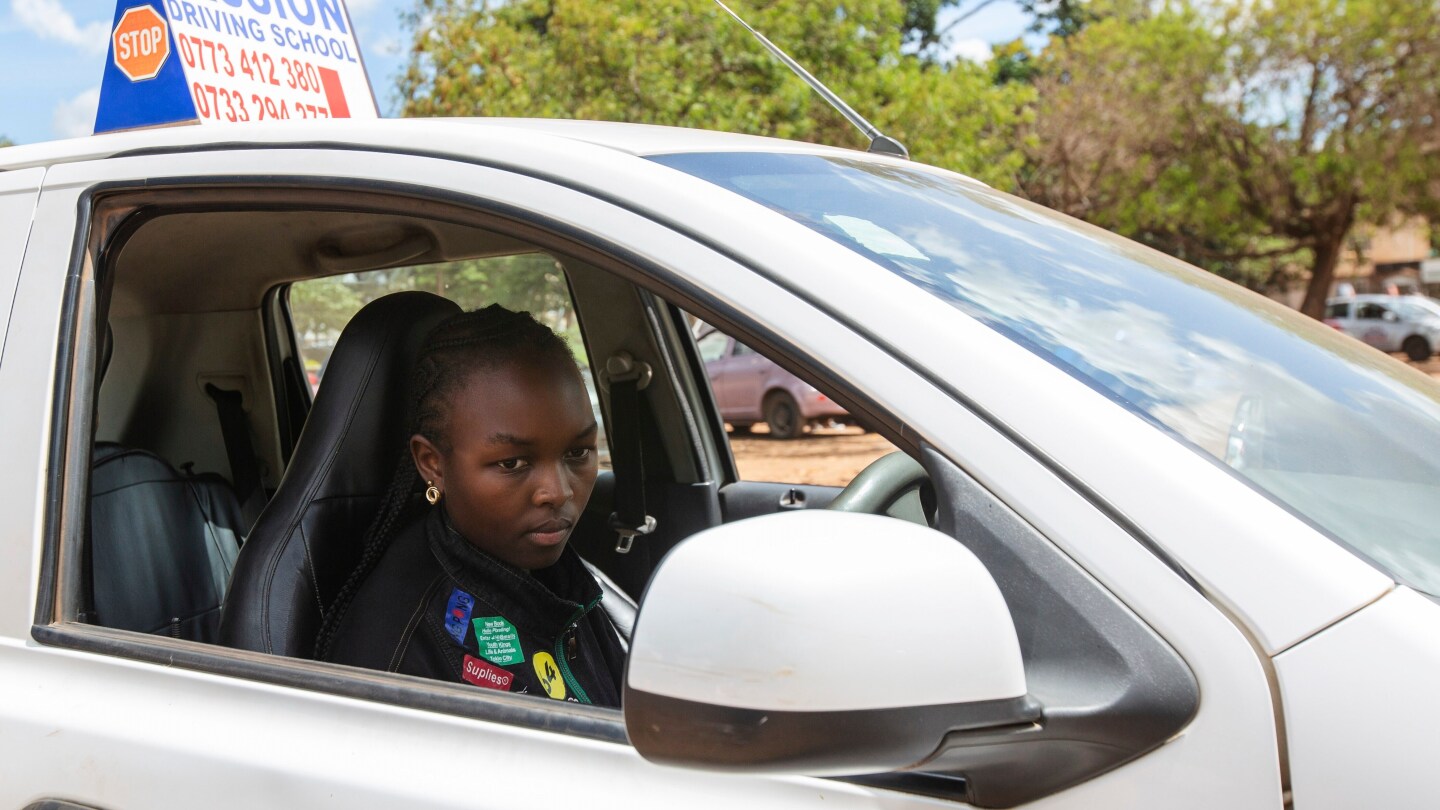
Muvhevhi describes the contemporary challenges: “Other drivers display no patience with learners—they honk aggressively, execute illegal overtakes, and create immense pressure. Our students must adapt to this environment while navigating streets where both motorists and pedestrians routinely disregard regulations.”
For novice drivers like 19-year-old accounting student Winfrida Chipashu, Harare’s roads present greater intimidation than complex financial calculations. “Accounting follows established concepts,” Chipashu explains. “Driving here feels like navigating a jungle where others don’t follow rules.”
National statistics reveal that human error causes 94% of accidents in this nation of 15 million. Cellphone distractions among drivers and pedestrians contribute to approximately 10% of fatalities, according to Munesu Munodawafa, head of Zimbabwe’s Traffic Safety Council, who describes these figures as “frightening” and “alarming.”
This crisis reflects broader continental trends. Africa experiences approximately 300,000 road deaths annually—about one-quarter of global fatalities—despite accounting for only 3% of the world’s vehicle population. The continent’s fatality rate of 26.6 deaths per 100,000 people significantly exceeds the global average of 18.
The World Health Organization attributes Africa’s rising traffic deaths—which increased 17% between 2010-2021—to inadequate safety laws, insufficient enforcement, reckless driving, and rapid urbanization. Vehicle registrations nearly tripled between 2013-2021, fueled by imported used vehicles and surging motorcycle numbers. Vulnerable road users including pedestrians, cyclists, and motorcycle riders comprise half of all fatalities.
Zimbabwean authorities are implementing countermeasures including police body cameras, breathalyzers, and proposed licensing reforms featuring penalty points and enhanced training programs. As Police spokesperson Paul Nyathi emphasizes: “Drivers are licensed to practice road safety and safeguard lives—not to become killers.”
For instructors like Muvhevhi, the pedagogical philosophy has fundamentally shifted: “We no longer teach merely for license acquisition. We teach survival strategies despite other road users’ dangerous behaviors.”