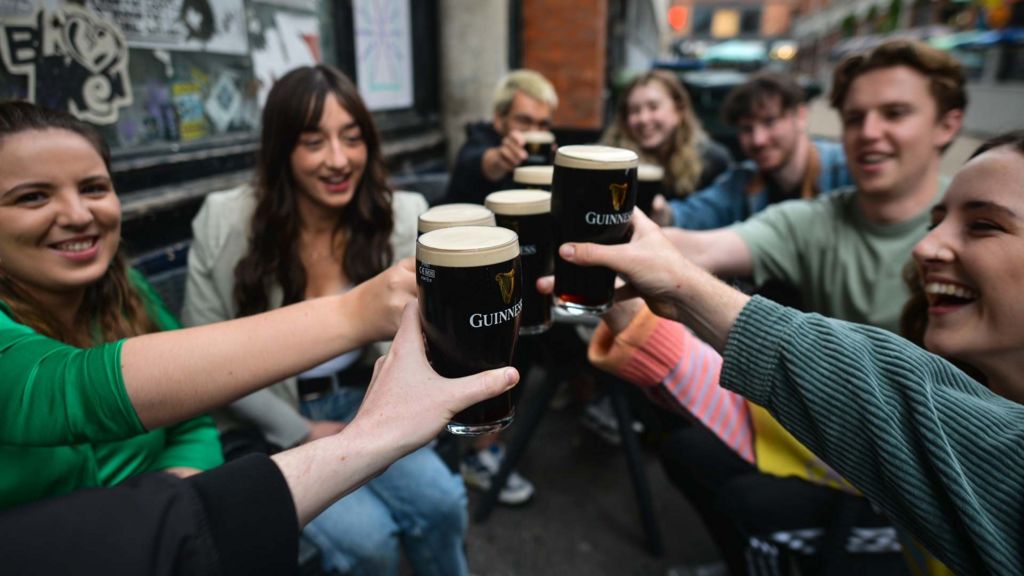
Ireland’s profound cultural entanglement with alcohol faces unprecedented regulatory challenges as the nation implements some of the world’s strongest alcohol warning labels. These labels, now appearing on bottles and cans nationwide, explicitly state that alcohol consumption causes liver disease and is linked to fatal cancers. The measures represent the latest development in Ireland’s complex relationship with drinking, where pub culture remains deeply embedded in social traditions.
The legislation, initially signed into law in 2023, mandates physical barriers between alcohol and general products in supermarkets alongside graphic health warnings. However, in a controversial move criticized by public health advocates, the Irish government has postponed compulsory implementation until 2028, citing global trade uncertainties. Critics suggest industry lobbying influenced the delay, though Drinks Ireland, the industry representative body, maintains they sought “breathing space” and prefers EU-wide standardization.
Despite decreasing overall consumption—down approximately one-third over 25 years according to The Drinks Industry Group of Ireland—concerning trends persist among youth. Public health organization Alcohol Action Ireland reports binge drinking rates among 15-24-year-olds have increased significantly, with two-thirds regularly engaging in hazardous consumption patterns. The average drinking initiation age has risen to 17, yet young Irish drinkers still rank among Europe’s heaviest consumers once they start.
Interviews with Dublin residents reveal mixed reactions to the warnings. Jack, a 29-year-old advertising professional who regularly consumes six or more pints on heavy nights, acknowledges the labels but questions their efficacy: “I know my limits. As long as you know what your limits are, I think it’s fine health-wise.” Others like 23-year-old Amanda express skepticism: “You look at it and you’re like, ‘Oh, I just drank that. Should I drink another one?’”.
Structural factors complicate Ireland’s drinking culture. Sean, 21, notes the lack of social alternatives: “There’s not much to do in Dublin after a certain time… you have to get a pint.” This pub-centric social landscape contrasts with emerging sober curious movements. Individuals like 27-year-old Sam, completely alcohol-free for three years, and Helen, who rarely drinks, represent growing demographic shifts despite facing social stigma for their choices.
The delayed warning label implementation reflects broader tensions between public health objectives, cultural traditions, and economic considerations in a nation where alcohol brands like Guinness and Jameson remain iconic exports. With calorie and alcohol content labeling also postponed until 2028, Ireland’s journey toward alcohol harm reduction continues to navigate complex social and political currents.