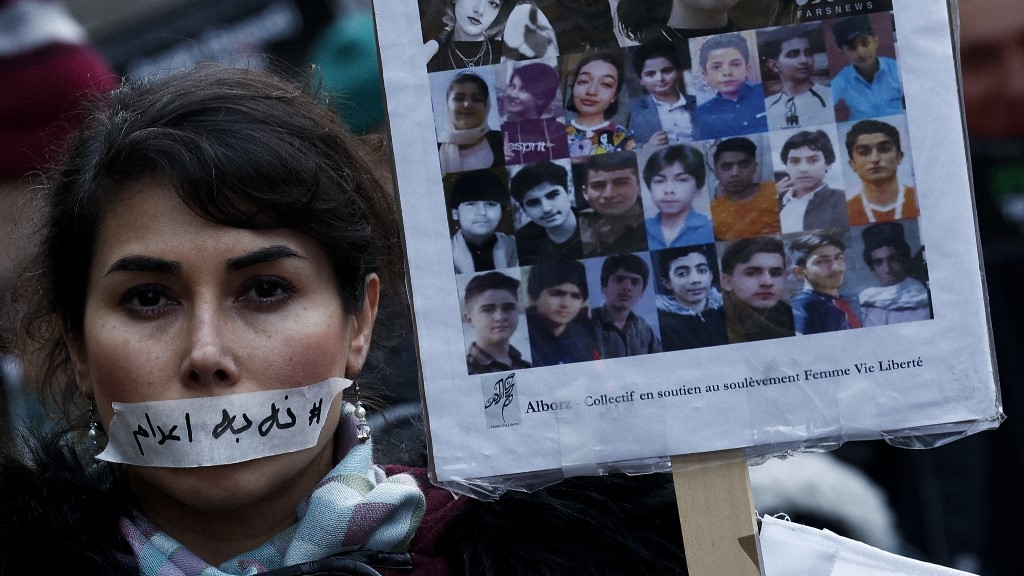
Iran’s judicial system faces mounting international criticism following reports of imminent executions for dozens of individuals detained during recent anti-government demonstrations. According to the Norway-based Iran Human Rights organization (IHRNGO), at least 26 protesters face pending execution orders, with hundreds more—including minors—charged with capital offenses.
The protests, which erupted in December, represented widespread public discontent with government corruption, economic instability, and state repression. While official Iranian sources report 3,117 fatalities, independent monitoring by Hrana news agency suggests the actual death toll may exceed 6,500.
IHRNGO Director Mahmood Amiry-Moghaddam characterized the judicial proceedings as fundamentally flawed, stating that convictions rely predominantly on confessions extracted through torture within judicial processes that lack basic fairness standards. The organization reports that authorities are actively pressuring defendants to prevent public disclosure of their cases.
Despite official denials regarding protest-related executions, hanging sentences continue to be implemented nationwide. Recent reports indicate at least nine executions occurred on Tuesday across multiple cities, with 26 additional hangings documented over the weekend—though authorities attribute these to drug and murder charges.
Legal advocates confirm systematic denial of representation rights to the accused, while Amnesty International has previously documented Iran’s strategic use of capital punishment to suppress dissent through institutionalized fear.