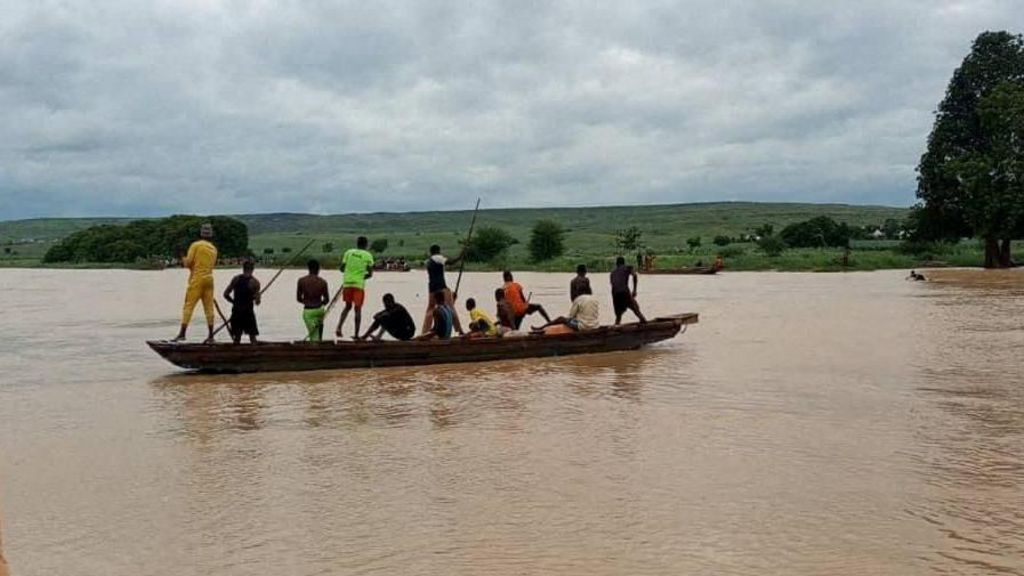
A devastating maritime accident has left at least 46 people dead after a passenger boat capsized in Nigeria’s northwestern Sokoto State, marking another deadly entry in the country’s long history of fatal waterway incidents. Local authorities confirm that the vessel was carrying more than 70 passengers, a majority of whom were children, and search efforts to locate remaining missing people are still ongoing in the remote affected area.
Ahmad Rufai, spokesperson for the Sokoto State Police, confirmed to the BBC on Thursday that 46 bodies have been recovered near the Gorau community in Gorony Local Government Area. Sixteen passengers were pulled from the water alive, but 15 people remain unaccounted for as of the latest update. Rufai noted that the accident site sits in a hard-to-access region, so security forces and emergency response teams have been dispatched to the location to support search and recovery operations.
A witness who spoke to Reuters shared that the children on board were traveling alongside farm owners and agricultural laborers en route to rice harvest fields. The witness added that they saw roughly 50 bodies prepared for burial, wrapped in mats and traditional woven cloth, arranged outside the local community mosque awaiting funeral rites.
Ezekiel Manzo, spokesperson for Nigeria’s National Emergency Management Agency (Nema), echoed the challenge of the site’s remoteness, confirming that emergency teams had already deployed to Gorau to lead the response effort.
Fatal boat accidents are an all-too-common occurrence across Nigeria, a pattern experts and officials attribute to consistent overcrowding of vessels, poorly maintained aging wooden craft, and widespread failure to enforce existing water safety regulations. This latest disaster follows a string of similar deadly incidents across the country in recent months: just one month prior, five people drowned when a boat overturned in neighboring Jigawa State. In January of this year, 26 people lost their lives when a boat carrying farmers and fishermen capsized traveling between Jigawa and Yobe States. In December 2024, rescue workers recovered 54 bodies from the River Niger after a vessel carrying potentially more than 200 passengers overturned.
Nigerian authorities have previously outlined a set of targeted measures to reduce preventable deaths on the country’s waterways, including mandating safer boat construction, requiring accessible life jackets for all passengers, systematic dredging of high-traffic waterways, posting dedicated safety guards at major jetties and terminals, and enforcing requirements that all boat operators hold formal training and valid operating licenses. However, infrastructure gaps and limited regulatory capacity have left most of these recommendations unimplemented or unevenly enforced across rural areas.
For millions of Nigerians, especially those living in rural and riverine communities, waterways serve as a critical primary transportation route. Many rural villages are situated along riverbanks, while widespread poor road conditions and a chronic lack of bridge infrastructure make overland travel impractical or impossible for most daily trips. Wooden vessels remain the default option for moving people and goods to markets, neighboring communities, and work sites including agricultural plots like the rice fields where this latest group was heading.