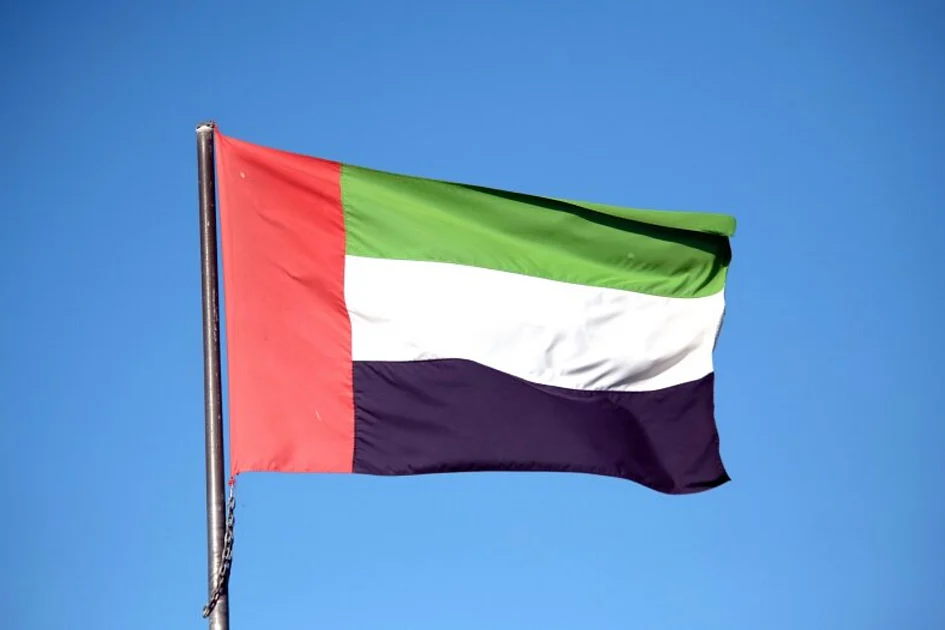
A senior United Arab Emirates official has issued a direct challenge to Israeli and Palestinian leadership, urging them to focus on transforming domestic public attitudes rather than seeking external mediation for peacebuilding. Dr. Ali Al Nuaimi, Chairman of the Defence Affairs, Interior & Foreign Affairs Committee at the UAE Federal National Council, delivered his remarks at the Abraham Accords Conference in Abu Dhabi, emphasizing that regional normalization agreements represent merely the starting point rather than the culmination of peace efforts.
Dr. Al Nuaimi asserted that the UAE has consistently exceeded its obligations under the Abraham Accords since their signing in September 2020, despite facing significant challenges. He revealed that other signatory nations have failed to fulfill their commitments, creating an implementation gap that undermines the agreement’s potential. The official stressed that the Accords constitute a political arrangement entirely separate from religious considerations, noting that the UAE honors its international agreements with full engagement and respect.
The core challenge, according to Dr. Al Nuaimi, lies not in diplomatic negotiations but in reshaping public perception within Israeli and Palestinian societies. He explicitly requested both parties to cease lecturing the UAE on how to alter Arab perspectives toward Israel and similarly stop requesting Emirati intervention with Israeli authorities. “We need Israelis to work on Israelis. We need Palestinians to work on Palestinians,” Dr. Al Nuaimi stated, highlighting a critical gap that only domestic leadership can address.
While acknowledging that the Abraham Accords have established valuable channels for cooperation and cultural exchange, the official distinguished between normalization and genuine peace. He characterized normalization as merely “a piece of paper designed by two leaders,” whereas true peace must capture “the heart and the mind of the people across the region.” Dr. Al Nuaimi emphasized that Palestinians will achieve their rights through peace rather than conflict, just as Israel will obtain security through peaceful means rather than military superiority.
The UAE official pointed to recent developments in American politics as potential catalysts for progress, describing President Donald Trump’s emerging approach to the conflict—including his stance on Gaza and investigations into the Muslim Brotherhood—as a strategic opportunity that regional partners should not miss. He cautioned however that opponents of the Accords actively seek to transform the political dispute into a religious conflict, making unified commitment among signatories essential.
Dr. Al Nuaimi presented the UAE’s multicultural society as a model for regional transformation, where residents from diverse backgrounds “feel safe, feel respected, feel accepted as they are.” He promised Israeli and Palestinian counterparts that similar coexistence becomes achievable through dedicated effort to transform public attitudes. The official additionally called on European partners to modernize their approach to regional diplomacy, noting that outdated methods persist despite dramatically changed circumstances over decades.
Reaffirming the UAE’s unwavering commitment to the Abraham Accords, Dr. Al Nuaimi declared there is “no way back” from the agreement, which he described as representing the future of the region. The Emirates remains invested in transforming the entire region into a peaceful territory where all inhabitants experience safety, respect, and acceptance regardless of origin.