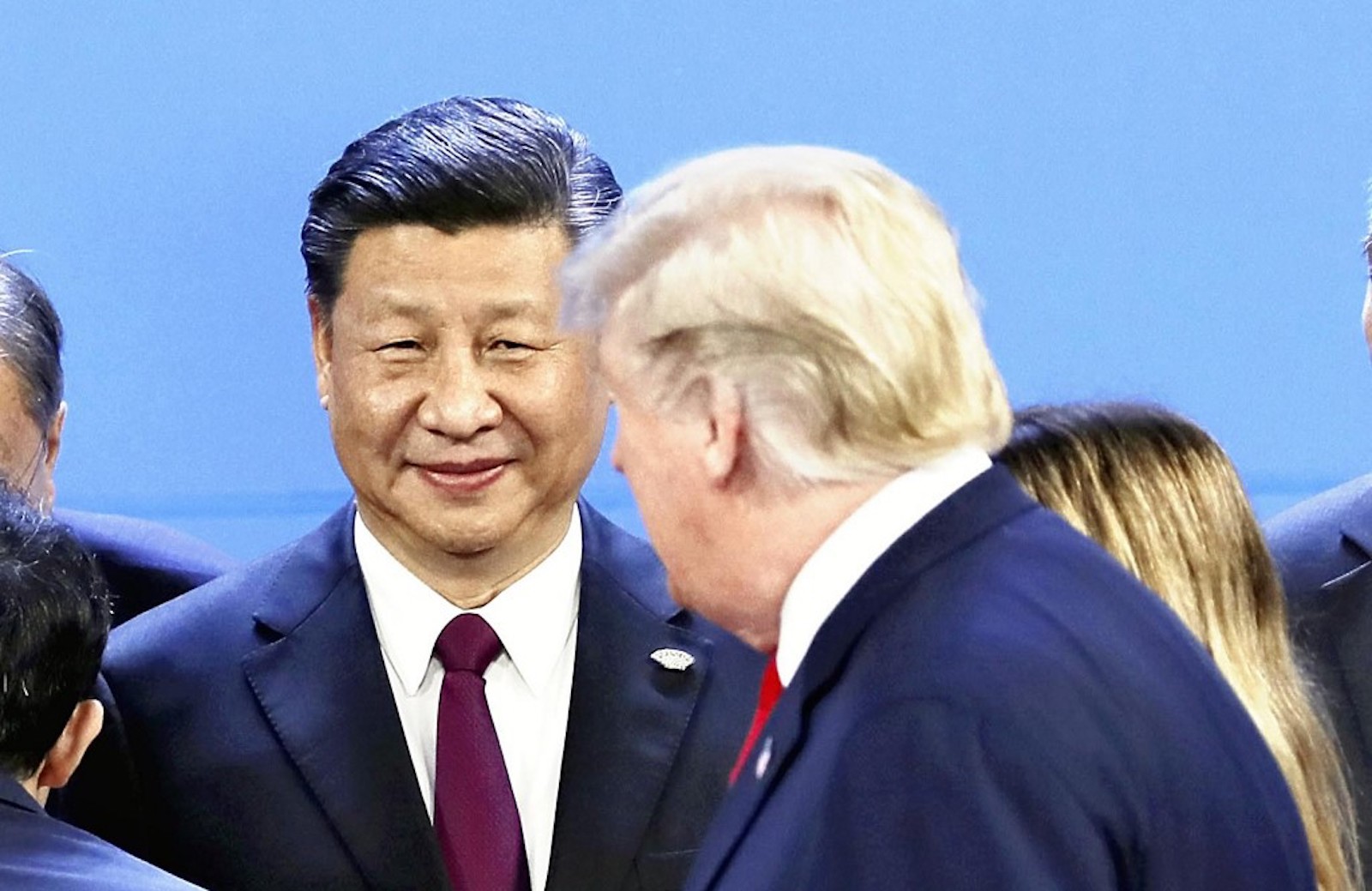
When Donald Trump meets with Xi Jinping on October 30, he will not be engaging with just any leader of a rival nation. Instead, he will be facing the chief representative of what the Pentagon terms the United States’ ‘pacing threat.’ This concept, which has gained traction in military and academic circles since the early 21st century, defines China as a rising near-peer whose capabilities and ambitions directly challenge the US’s global dominance. The term was notably used by Trump’s former Secretary of Defense Mark Esper in 2020 and has been continued by Biden’s Defense Secretary Lloyd J. Austin III, who emphasizes that China poses a systemic challenge across economic, technological, political, and military domains. This designation has profound implications, as it reorients US defense planning, industrial policy, and global posture around the central question of how to keep pace with—and potentially outpace—Beijing. However, this focus on China as the primary pacing threat carries risks, including potential blind spots regarding other adversaries like Russia, Iran, and North Korea. Moreover, the US must balance long-term strategic planning with immediate readiness, ensuring it can address crises both now and in the future. Critics argue that China may already be ahead in certain areas, such as defense-industrial output and technological innovation, underscoring the urgency for the US to enhance its responsiveness and productive capacity. Ultimately, the competition between the US and China is not merely about military might but about the ability to innovate, build, and adapt more swiftly in a rapidly evolving global landscape.