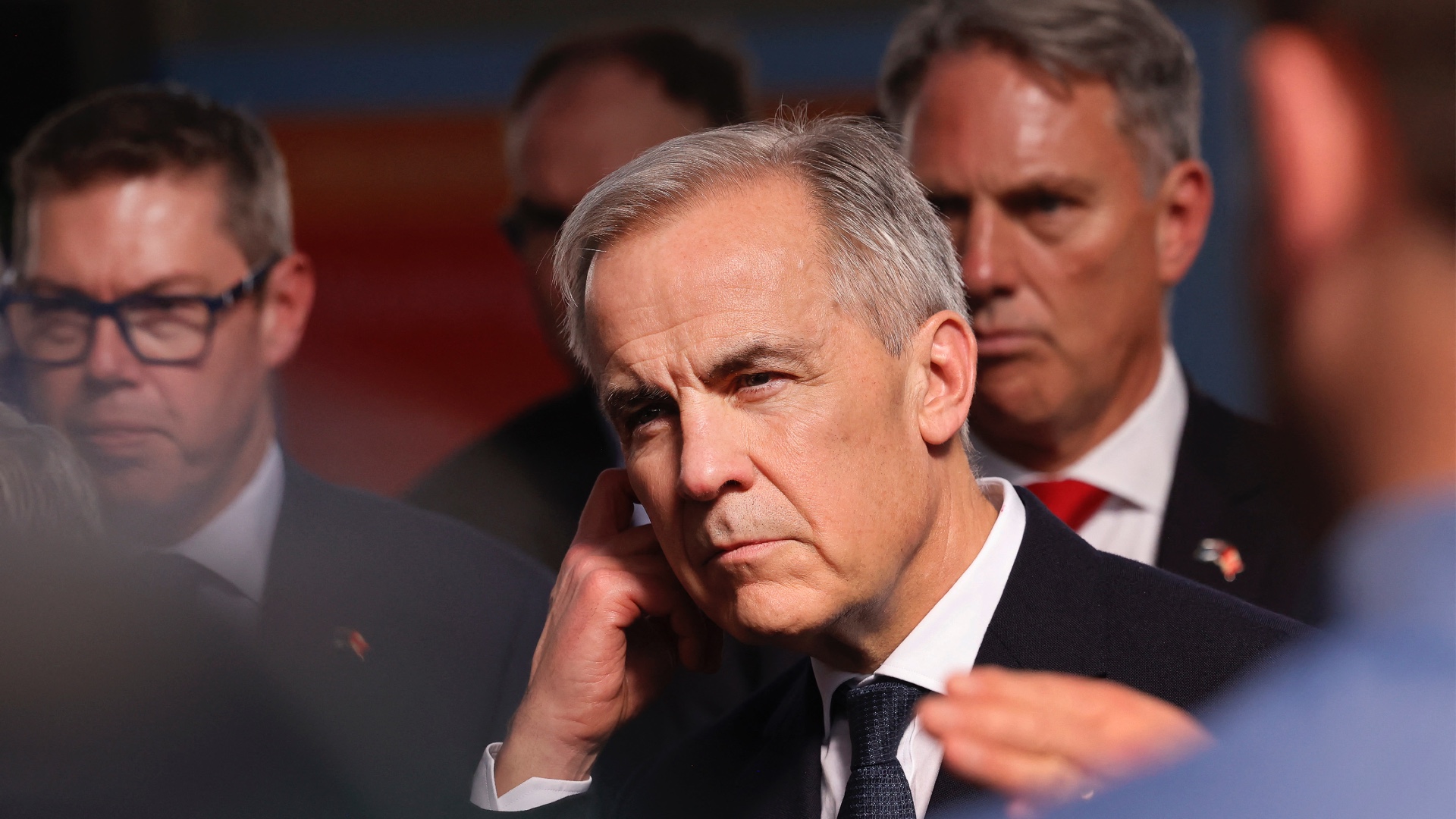
Prime Minister Mark Carney’s administration faces mounting political pressure as it attempts to balance Canada’s international alliances with domestic opposition to military engagement in the Middle East. The crisis emerged on February 28th when Carney initially expressed unequivocal support for U.S.-Israeli military actions against Iran, despite the absence of United Nations authorization—a traditional prerequisite for Canadian foreign policy interventions.
The initial endorsement triggered immediate dissent within Carney’s Liberal Party, compounded by polling data from the Angus Reid Institute revealing less than half of Canadians support airstrikes against Iran, with merely 30% believing such actions would improve Iranian lives. Facing this domestic discontent during his Australian visit, Carney notably refined his position, emphasizing solidarity with the Iranian people against oppressive governance while maintaining support for preventing nuclear proliferation.
In a striking admission, Carney acknowledged that Washington and Jerusalem had acted without consulting Ottawa or pursuing UN channels. When pressed about his celebrated Davos speech advocating a new world order, Carney deferred legal assessments to the attacking nations, noting that prima facie, the operations appeared inconsistent with international law. Nevertheless, by week’s end, he refused to categorically exclude Canadian involvement, stating that Canada would stand by its allies in a potentially expanding conflict.
This diplomatic maneuvering occurs against a backdrop of heightened military enlistment following President Trump’s threats against Canada and escalating trade tariffs. Security experts warn that Carney’s ambiguous stance creates dangerous unpredictability, particularly as the government advises Canadian citizens in the region to shelter in place without initiating evacuation procedures.