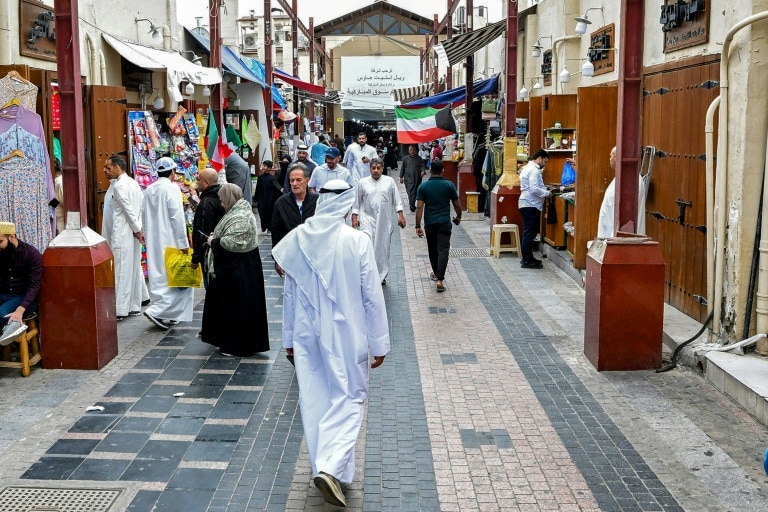
Across the Middle East, the joyous festival of Eid al-Fitr, marking the end of Ramadan, has been profoundly subdued by the ongoing regional conflict and severe economic pressures. For millions of Muslims from Lebanon to the Gulf states, celebrations are replaced by anxiety, displacement, and financial strain, casting a long shadow over what is traditionally a time of feasting, family gatherings, and religious observance.
In Lebanon, the convergence of a pre-existing economic collapse and the spillover effects of the war has extinguished any semblance of festivity for many families. Aziza Ahmad, a 49-year-old resident, exemplifies this reality. Her small apartment, now also sheltering displaced relatives, is a world away from celebration. With her husband’s income as a car washer insufficient, she has resorted to selling pastries, none of which her own family will eat, to make ends meet. ‘There’s nothing to celebrate,’ she stated, highlighting the absence of joy where financial survival is the paramount concern.
The climate of fear extends beyond Lebanon’s borders. Wealthier Gulf nations, traditionally perceived as stable havens, are now on high alert. These states have become targets in a cycle of retaliatory strikes, prompting significant security measures. Kuwait has instituted a temporary ban on public gatherings, including concerts and weddings. The United Arab Emirates has mandated that Eid prayers be held indoors for security, a stark deviation from normal practice. In Bahrain, the daily routine is punctuated by air raid sirens warning of potential drone and missile threats. This pervasive sense of insecurity has led residents like Juhi Yasmeen Khan in Dubai to opt for subdued, intimate family gatherings instead of grand celebrations.
For Palestinians in occupied East Jerusalem, the spiritual core of Ramadan has been severed. The Israeli closure of the Al-Aqsa Mosque compound, Islam’s third holiest site, has left a deep void. The familiar vibrant decorations and bustling crowds in the Old City are absent, replaced by quiet, empty streets. Despite these overwhelming challenges, a spirit of resilience persists. Some families, like that of Maryam Abdullah in Bahrain, are determined to maintain tradition, however modestly, as an act of defiance and normalcy, believing that the current turmoil will eventually pass.