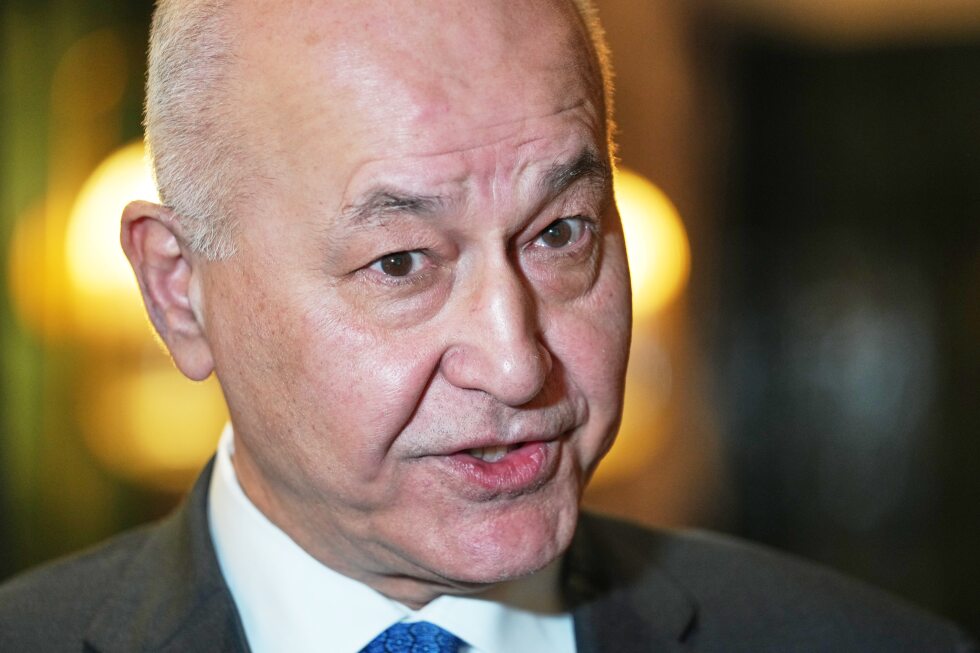
KYIV, Ukraine — The newly appointed head of the United Nations refugee agency emphasized Friday that despite significant obstacles, diplomacy remains the sole viable path to ending the conflict in Ukraine. Barham Salih, former Iraqi president who assumed leadership of UNHCR in December, concluded his first official visit to Ukraine with sobering assessments of the humanitarian situation.
During his tour of front-line cities including Kharkiv and Zaporizhzhia, Salih witnessed firsthand the devastating impact of Russia’s targeted attacks on energy infrastructure during harsh winter conditions. His meetings with President Volodymyr Zelenskyy focused on both immediate relief efforts and long-term peace prospects.
‘While I maintain hope, I fully recognize the considerable difficulties in achieving peace,’ Salih stated in an exclusive interview with The Associated Press. ‘Ultimately, there exists no military solution to this conflict. What Ukraine requires is a durable and just peace that enables citizens to reclaim their normal lives.’
The UNHCR faces severe operational challenges, with only $150 million pledged toward its $470 million Ukraine appeal. This funding gap reflects broader reductions in humanitarian aid worldwide, complicating relief efforts across multiple simultaneous crises.
Current statistics reveal 3.7 million internally displaced Ukrainians and nearly 6 million refugees abroad. The agency projects that 10.8 million Ukrainians will require humanitarian assistance in 2026, with the most critical needs concentrated along active front lines in eastern and southern regions.
Salih’s Ukraine visit forms part of a broader global tour that has included Kenya, Chad, Turkey, and Jordan—regions grappling with their own refugee emergencies. The erosion of humanitarian infrastructure, particularly following drastic cuts to U.S. funding during the Trump administration, has severely constrained organizational capacity to deliver aid.
Globally, 117 million people remain displaced, including at least 42 million refugees, with two-thirds experiencing protracted displacement and continued reliance on humanitarian support. Salih emphasized the difficult prioritization decisions required amid shrinking resources and expanding needs.
In his discussions with Ukrainian leadership, Salih stressed the importance of transitioning toward recovery phases and sustainable solutions that promote self-reliance rather than perpetuating dependency on aid.