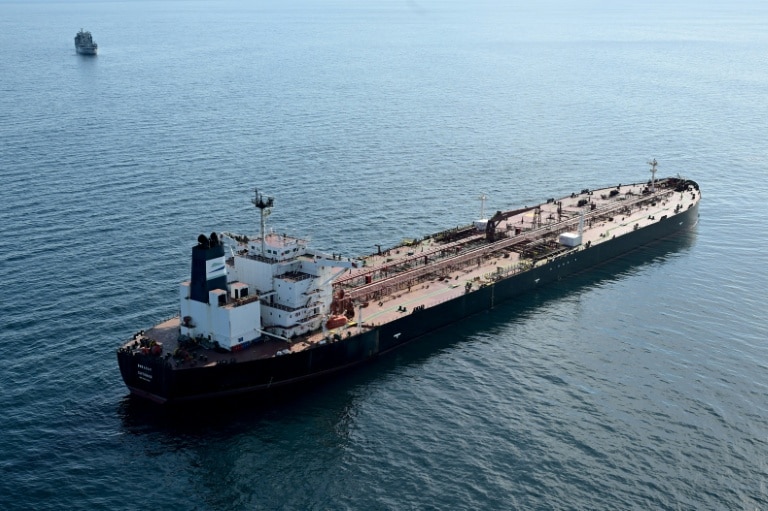
A comprehensive analysis by Finland’s Centre for Research on Energy and Clean Air (CREA) reveals that Russian crude oil exports have maintained volumes approximately 6% above pre-invasion levels in the fourth year of the Ukraine conflict, despite extensive Western sanctions. This persistent export flow has been facilitated by an elaborate “shadow fleet” consisting of aging tankers with opaque ownership structures, specifically designed to circumvent restrictions imposed by the EU, US, and G7 nations.
While export volumes remain elevated, Russia’s oil revenues have experienced a significant downturn, dropping 18% to €85.5 billion in the year leading to February 24 compared to the previous year. This financial contraction stems from Moscow’s forced adoption of substantial price discounts to maintain market access. According to CREA analyst Isaac Levi, while enforcement measures have impacted Russian earnings, critical loopholes continue to enable high-volume exports.
The report identifies several systemic vulnerabilities in current sanction regimes, including false flagging of vessels and re-exportation of refined petroleum products derived from Russian crude to sanctioning nations. Notably, 93% of Russian crude exports now flow to three nations: China, India, and Turkey.
CREA researchers have called for enhanced enforcement measures, including detaining shadow fleet vessels that pose environmental and security risks to European coastlines. The European Union currently lists 598 vessels suspected of shadow fleet operations, prohibiting their access to EU ports and services. The report additionally highlights continued imports by Hungary and Slovakia, which saw an 11% increase in Russian crude imports during the first ten months of 2025 under EU exemption clauses.