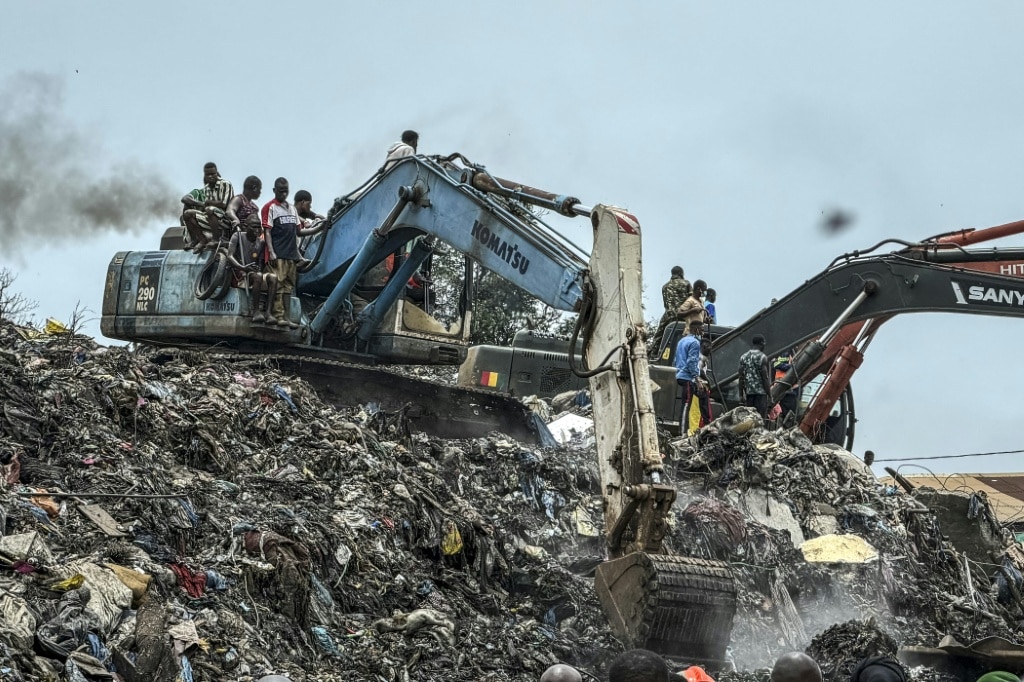
A catastrophic garbage landslide that swept through a residential neighborhood in Guinea’s capital Conakry early Sunday has left at least 30 people dead, 22 injured, and a community grappling with overwhelming grief and anger over what locals say was a preventable disaster. The collapse, triggered by days of heavy, seasonably intense rain, buried multiple homes in Conakry’s Dar es Salam neighborhood, turning a quiet overnight into a chaotic nightmare of destruction and loss.
Abou Hamza, a local community activist whose neighborhood sits at the foot of the massive suburban dump, says residents spent months sounding alarm bells about the looming risk. Hamza told reporters at the disaster site that young local organizers held multiple outreach meetings with government officials to push for the dump’s relocation, a promise authorities had made publicly one year prior. But their warnings were dismissed, he said, leaving the community exposed to the disaster that finally unfolded over the weekend. “The state failed to take steps to close the dump,” Hamza said, a statement that underscores the widespread anger over official inaction.
By Sunday morning, the scene was one of raw chaos and grief. Heavy excavators rumbled across mounds of rotting garbage, digging through debris in search of remains and possible survivors, while dozens of local residents — including children — gathered at the crest of the garbage piles, scanning the wreckage for traces of missing loved ones. Rescue crews ferried injured survivors out on stretchers, trailed by distraught family members waiting for word of the missing. Grieving women, shaken by the sudden loss, huddled together in small groups, sobbing and holding one another through the shock.
Survivors recount terrifying moments of the collapse that came without warning in the middle of the night. Alhassane Camara, a young neighborhood resident, was asleep alongside his two younger brothers when unusual rumbling signaled the slide was beginning. “I was sleeping with my two brothers… there were strange noises behind me. Then I saw things fall,” he recalled. One of his little brothers was killed instantly, buried under the tide of garbage, while the other was pulled alive from the wreckage. The rest of his family — his mother, grandmother and sisters — all escaped unharmed. “It was God who helped us,” Camara said.
Another resident, Aboubacar Camara, who managed to evacuate his own family to safety, described a second, deadlier slide that hit just as local residents rushed in to rescue those trapped by the first collapse. “Around 2 or 3 o’clock in the morning we heard a slide, screams outside, everyone was screaming,” he said. Moments after he stepped outside with his wife, the second landslide hit, burying the group of neighbors who had gone in to pull out initial victims. “Everyone who went there to help, they all ended up buried in it,” he said.
Guinea’s Prime Minister Amadou Oury Bah visited the disaster site on Sunday, where he pledged government support for the response, saying authorities were moving quickly to provide medical care for the injured and financial and logistical support for families displaced by the tragedy. Notably, the government had announced evacuation and site security operations for the landfill in recent days, acknowledging the elevated landslide risk brought by the region’s extended, intense rainy season. But those measures came too late to prevent the disaster.
Opposition figures have weighed in on the tragedy, with exiled former prime minister and leading opposition figure Cellou Dalein Diallo describing the incident as a devastating tragedy that has left the nation in dismay. Diallo claimed that the official closure of the dangerous dump had actually been scheduled for Sunday — the same day the collapse occurred. He is now calling for a full, transparent independent investigation into the circumstances that led to the disaster, saying authorities must be held accountable and draw clear lessons to prevent similar losses in the future.