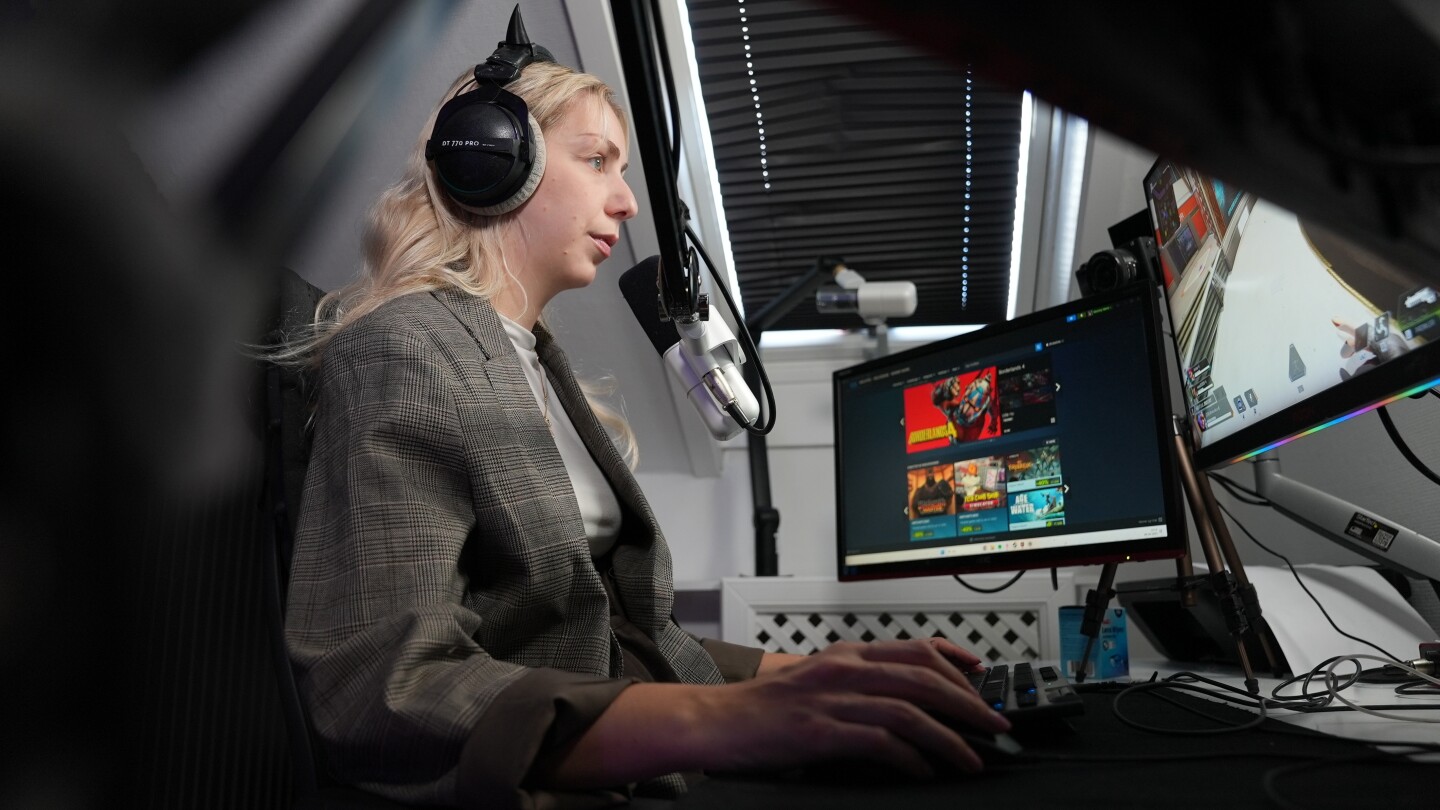
In 2021, Danish video game live-streamer Marie Watson was shocked to discover a manipulated image of herself circulating online. The photo, originally from her Instagram account, had been altered using deepfake technology to remove her clothing, leaving her feeling violated and helpless. Watson’s experience is just one example of the growing threat posed by deepfakes — highly realistic AI-generated images, videos, or audio that can be used for malicious purposes, from humiliating individuals to spreading misinformation. As generative AI tools become more accessible and sophisticated, the problem has escalated globally, prompting Denmark to take decisive action. A new bill, expected to pass early next year, aims to amend copyright law to grant individuals ownership over their likeness, enabling them to demand the removal of unauthorized deepfakes. While the law will allow for parodies and satire, it seeks to protect citizens’ personal characteristics from exploitation. Experts, including Henry Ajder of Latent Space Advisory, have praised Denmark’s initiative, noting the lack of effective protections currently available. The legislation, which has broad political support, could set a precedent for other countries grappling with the ethical and legal challenges of deepfakes. However, enforcement will primarily target tech platforms, with severe fines for non-compliance. Despite these measures, Watson remains skeptical, emphasizing the need for greater accountability from social media companies to prevent the spread of harmful content.