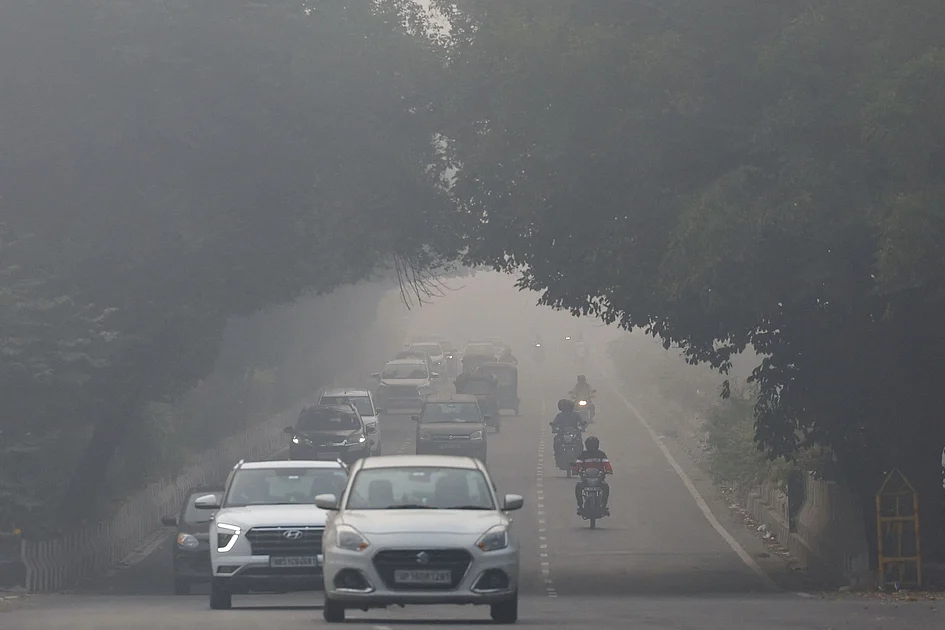
In a groundbreaking effort to combat its chronic air pollution, New Delhi has initiated a cloud seeding project, marking a significant step in the city’s battle against deadly smog. The trial run, conducted on Thursday afternoon, involved a Cessna light aircraft dispersing chemicals over the northern Burari area to induce artificial rain. This innovative approach aims to cleanse the atmosphere by washing away harmful particulate matter. The initiative, a collaboration between New Delhi authorities and the Indian Institute of Technology Kanpur, is part of a broader strategy to address the city’s severe air quality issues. Delhi Minister Manjinder Singh Sirsa confirmed the successful execution of the trial, emphasizing its role in assessing the readiness and coordination of all involved parties. If favorable conditions persist, the city anticipates its first artificial rainfall on October 29. New Delhi, home to 30 million people, consistently ranks among the world’s most polluted capitals, with winter months exacerbating the problem due to cooler air trapping pollutants. Recent celebrations of Diwali, the Hindu festival of lights, further deteriorated air quality, with PM2.5 levels soaring to 56 times the World Health Organization’s safe limits. This initiative follows the Supreme Court’s decision to permit the use of less-polluting ‘green’ crackers during the festival. Despite its potential, cloud seeding remains a debated solution, with mixed evidence on its effectiveness and impact on neighboring regions. Nonetheless, New Delhi’s bold move underscores the urgent need for innovative solutions to its environmental challenges.
Delhi tries cloud seeding to combat deadly smog, first artificial rain likely on Oct 29