The corporate world faces an unprecedented threat from sophisticated deepfake technology, with reported cases surging by approximately 3,000% over the past two years according to cybersecurity experts. The alarming trend has impacted major organizations worldwide, from financial institutions to engineering firms, demonstrating the rapidly evolving capabilities of AI-powered fraud.
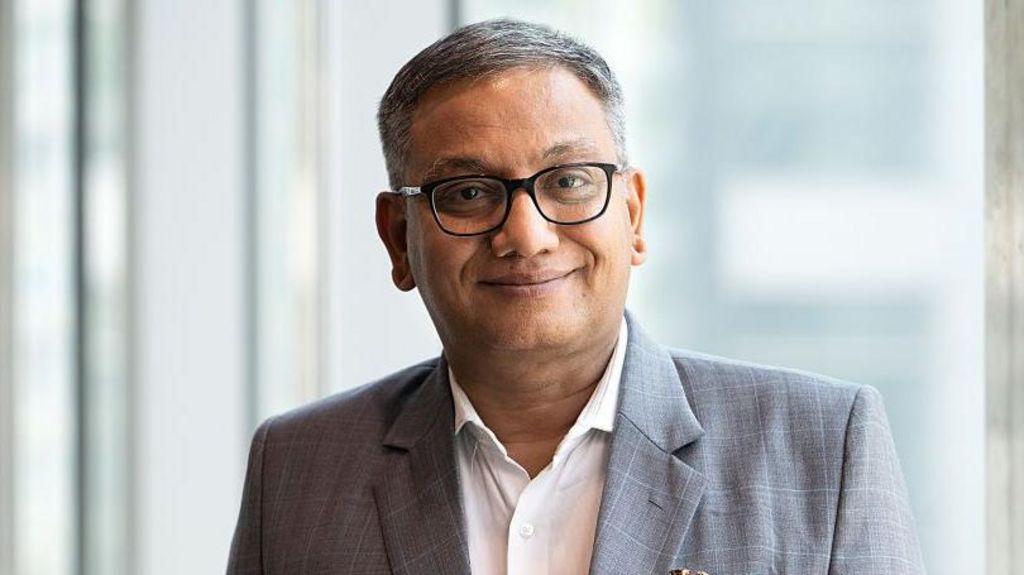
In a prominent case from early this year, a fabricated video featuring Bombay Stock Exchange CEO Sundararaman Ramamurthy circulated across Indian social media platforms. The convincing deepfake portrayed Ramamurthy providing specific stock investment advice and promising substantial returns to viewers. The executive confirmed the video was completely artificial, created using advanced AI technology without his knowledge or consent.
“When such incidents occur, we immediately file complaints and work with platforms like Instagram to remove the content,” Ramamurthy stated. “We regularly issue market warnings about these fraudulent videos, though it’s impossible to determine how many people may have been influenced or suffered financial losses.”
The problem extends far beyond India’s financial sector. LastPass CEO Karim Toubba experienced a similar attempt in 2024 when an employee received suspicious audio and text messages allegedly from him requesting urgent assistance. Fortunately, the employee recognized several red flags—including the use of WhatsApp instead of sanctioned communication channels—and reported the incident to cybersecurity teams before any damage occurred.
Not all organizations were as fortunate. British engineering firm Arup fell victim to one of the most sophisticated corporate deepfake attacks recorded in 2024. Hong Kong police reported that an employee transferred $25 million to five different bank accounts after participating in a video call with what appeared to be the company’s CFO and other staff members—all of whom were later revealed to be AI-generated deepfakes.
According to cybersecurity experts, the barrier to creating convincing deepfakes has dropped dramatically. Matt Lovell, CEO of UK-based CloudGuard, explains that generating high-quality audio and video deepfakes now takes mere minutes, with costs ranging from $500 for simple attacks to $10,000 for more sophisticated operations using largely free tools.
While detection technology is advancing—including verification software that analyzes facial expressions, head movements, and even blood flow patterns beneath the skin—experts warn that defense mechanisms struggle to keep pace with rapidly evolving attack vectors. The situation has created a high-stakes technological arms race between fraudsters and security professionals.
Tech researcher Stephanie Hare notes that the proliferation of deepfake attacks has exacerbated the existing global shortage of cybersecurity professionals. She observes that companies are gradually recognizing the urgency of securing their operations against these emerging threats, with executives increasingly collaborating with chief information security officers to develop comprehensive protection strategies.