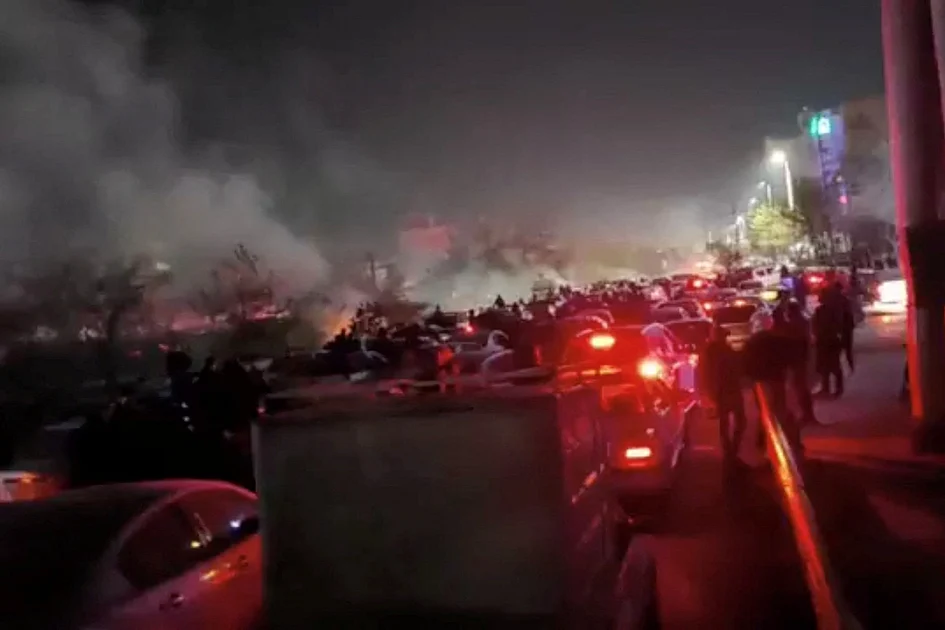
A deepening crisis has engulfed Iran as human rights monitors report over 500 fatalities during two weeks of sustained anti-government demonstrations. The US-based Human Rights Activists News Agency (HRANA) has verified 490 protester deaths alongside 48 security personnel casualties, with more than 10,600 individuals detained nationwide since unrest began on December 28, 2026.
The protests initially erupted over economic hardships before transforming into broader challenges against Iran’s clerical establishment. Despite a comprehensive internet shutdown implemented since Thursday, verified footage from Tehran and Mashhad shows persistent nighttime demonstrations with visible street fires, debris, and audible explosions.
Iranian authorities have intensified their response, labeling participants “armed terrorists” and displaying numerous body bags on state television as evidence of terrorist activities. Parliament Speaker Mohammad Baqer Qalibaf issued stark warnings to Washington, declaring US bases and Israeli territory as “legitimate targets” should America intervene militarily.
International tensions escalated as former President Donald Trump threatened intervention while Wall Street Journal reported plans for potential cyber attacks and expanded sanctions. Israeli security forces remain on high alert, with Prime Minister Benjamin Netanyahu expressing hope for Iran’s “liberation from tyranny.”
President Masoud Pezeshkian accused the US and Israel of orchestrating destabilization efforts while urging families to prevent youth from joining what he termed “terrorists.” The government maintains it will address economic grievances while suppressing what it considers foreign-backed violence.
Analysts suggest the protests represent the most significant challenge to Iran’s leadership since 2022, occurring while the nation recovers from last year’s conflict with Israel and regional setbacks to allied groups like Hezbollah.