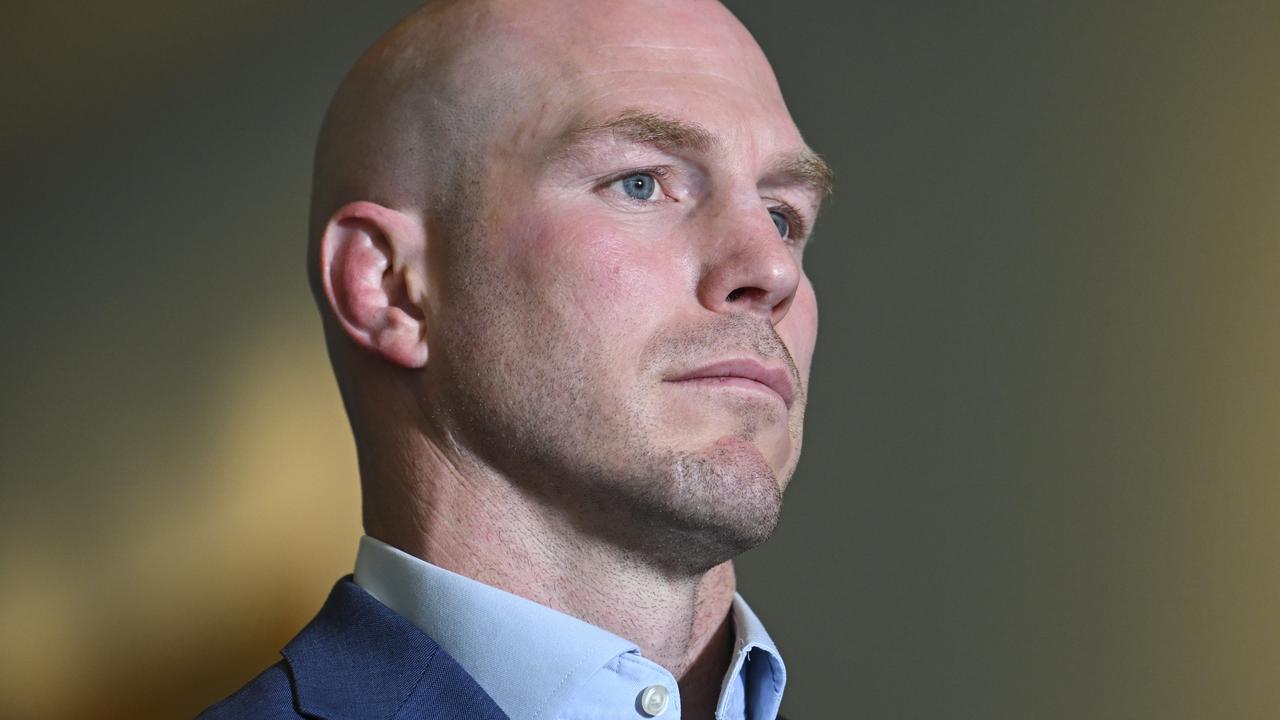
Australia’s political landscape is facing growing turbulence as Pauline Hanson’s right-wing populist One Nation party surges in recent polling, and high-profile independent Senator David Pocock is refusing to rule out a cross-party shift as like-minded centrist and progressive independents explore forming a unified political bloc to counter the far-right party’s growth.
A former professional Super Rugby player for the ACT Brumbies, Pocock entered federal parliament as an independent senator for the Australian Capital Territory in 2022, quickly emerging as one of the upper house’s most vocal crossbench figures. In recent months, he has led high-profile advocacy for two key policy priorities: implementing a 25 percent tax on gas exports and pressuring the ruling Labor government to deliver long-delayed gambling regulation reform.
In an interview with the Australian Broadcasting Corporation, Pocock addressed growing speculation about independents organizing into a formal registered party to challenge the dominance of Australia’s major parties and respond to One Nation’s rising poll numbers. He framed the question of independent coordination as a critical priority for Australia’s current political climate, asking: “As an independent, how do you be part of changing our country for the better?”
“For me, at the moment, that is serving people in the ACT, engaging on each issue, bringing solutions, using whatever power I have in the Senate to actually work on behalf of the people that have sent me there,” Pocock said. “As to what that looks like in the future, who knows. I think we’re in a real time of flux politically, and there’s people actually looking for candidates who are going to come to Canberra and actually put them first, put them ahead of vested interests.”
When asked about ongoing discussions between independents about launching a new party, Pocock confirmed that informal talks are a constant occurrence in the current political environment, noting he is always open to conversations about the future direction of Australian governance. For now, he said he remains fully committed to his current Senate role, which he says offers ample opportunity to deliver for constituents and advance policy change.
Pressed repeatedly on whether he would consider leaving the Senate to run for a seat in the House of Representatives, Australia’s lower house of parliament, Pocock declined to close the door on a future shift. “I don’t know why you’d rule something out,” he said, adding: “But, certainly at the moment, I’m committed to doing what I’m doing, and my hope is that there’ll be really great candidates” running for office across the country as independents.
Pocock pushed back against the modern political focus on charismatic personalities and rhetorical flair, arguing that effective governance relies on consistent, grounded work that prioritizes public good. That, he said, is exactly what community-backed independent candidates have already proven they can deliver once in office.
Addressing One Nation’s unexpected surge, new polling released Saturday suggests the party could win as many as 59 federal parliamentary seats if an election were held tomorrow. Pocock argued that the party’s rise is a symptom of a larger failure among Australia’s established major parties, who he says have refused to tackle pressing national challenges in good faith.
He listed a range of long-term policy failures that have eroded public trust in major parties: no coherent long-term plan for immigration and population growth, no actionable strategy to address the ongoing national housing and homelessness crisis, and a constant focus on short-term three-year election cycles rather than planning for Australia’s needs over the next 10 to 20 years.
“No wonder we’re lurching from crisis to crisis,” Pocock said. “What I’ve seen is major parties who aren’t willing to engage in that, in that debate.”