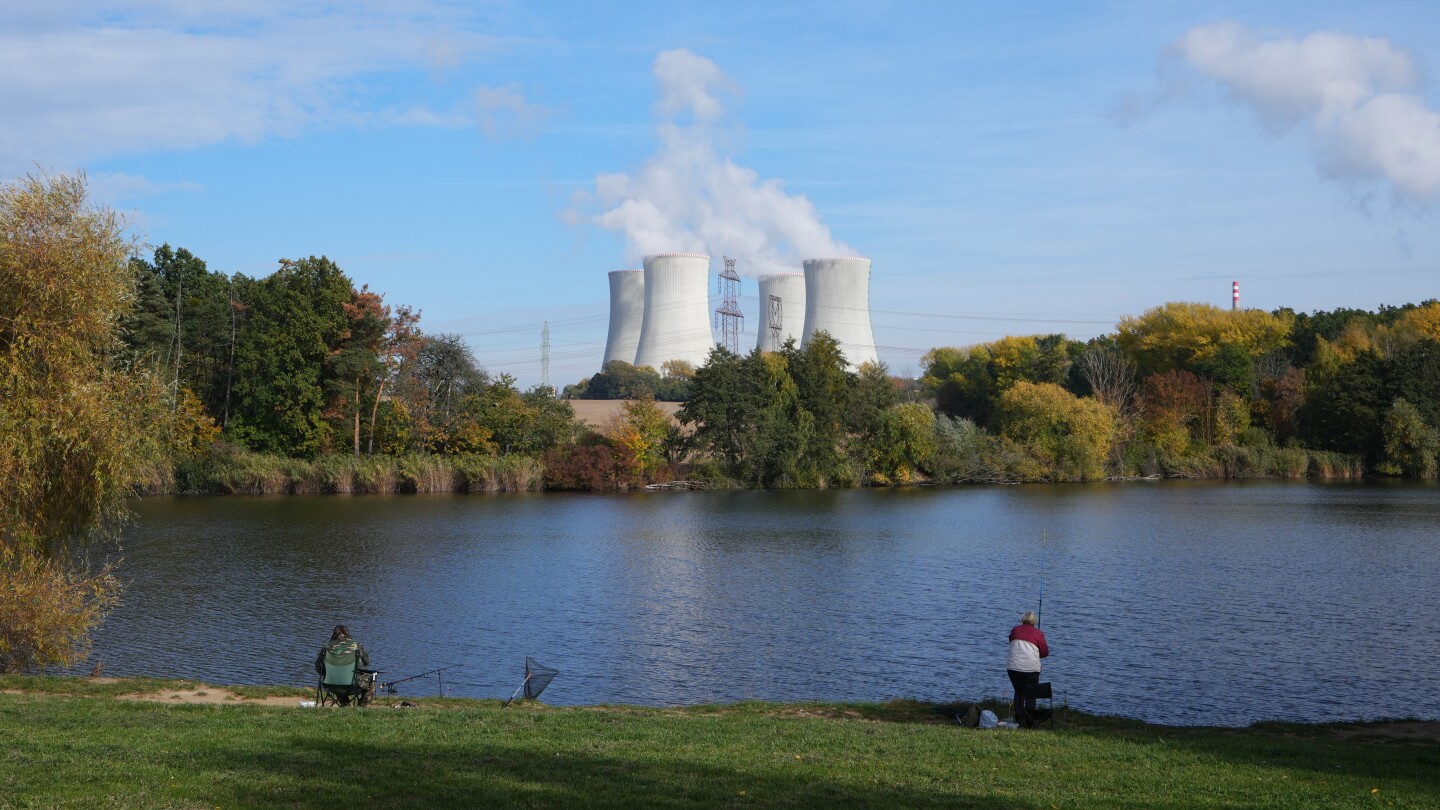
The Czech Republic is forging ahead with an ambitious nuclear energy expansion, spearheaded by the $19 billion Dukovany project. The initiative, which includes the construction of two new reactors, aims to at least double the country’s nuclear output and solidify its position as one of Europe’s most nuclear-dependent nations. South Korea’s KHNP has been selected over France’s EDF to lead the construction, with each reactor boasting a capacity of over 1,000 megawatts. These new units, expected to be operational by the late 2030s, will complement Dukovany’s existing four reactors, which have been in service since the 1980s. Additionally, the deal includes an option for KHNP to build two more reactors at the Temelín plant, which currently houses two 1,000-megawatt reactors. The expansion is part of a broader strategy to transition away from fossil fuels, meet low-emission targets, and address the growing demand for electricity driven by data centers and electric vehicles. Petr Závodský, CEO of the Dukovany project, predicts that nuclear energy will account for 50-60% of the Czech Republic’s energy mix by 2050. The project has received a significant boost from the European Union, which has classified nuclear energy as environmentally sustainable, paving the way for financing. However, the initiative faces opposition from environmental groups like Friends of the Earth, which argue that the funds could be better spent on improving the energy industry. Austria, a neighboring country, remains skeptical of nuclear energy and has already rejected the Czech Republic’s plan for small modular reactors.
Czech Republic plans $19 billion nuclear expansion to double output and end fossil fuel reliance