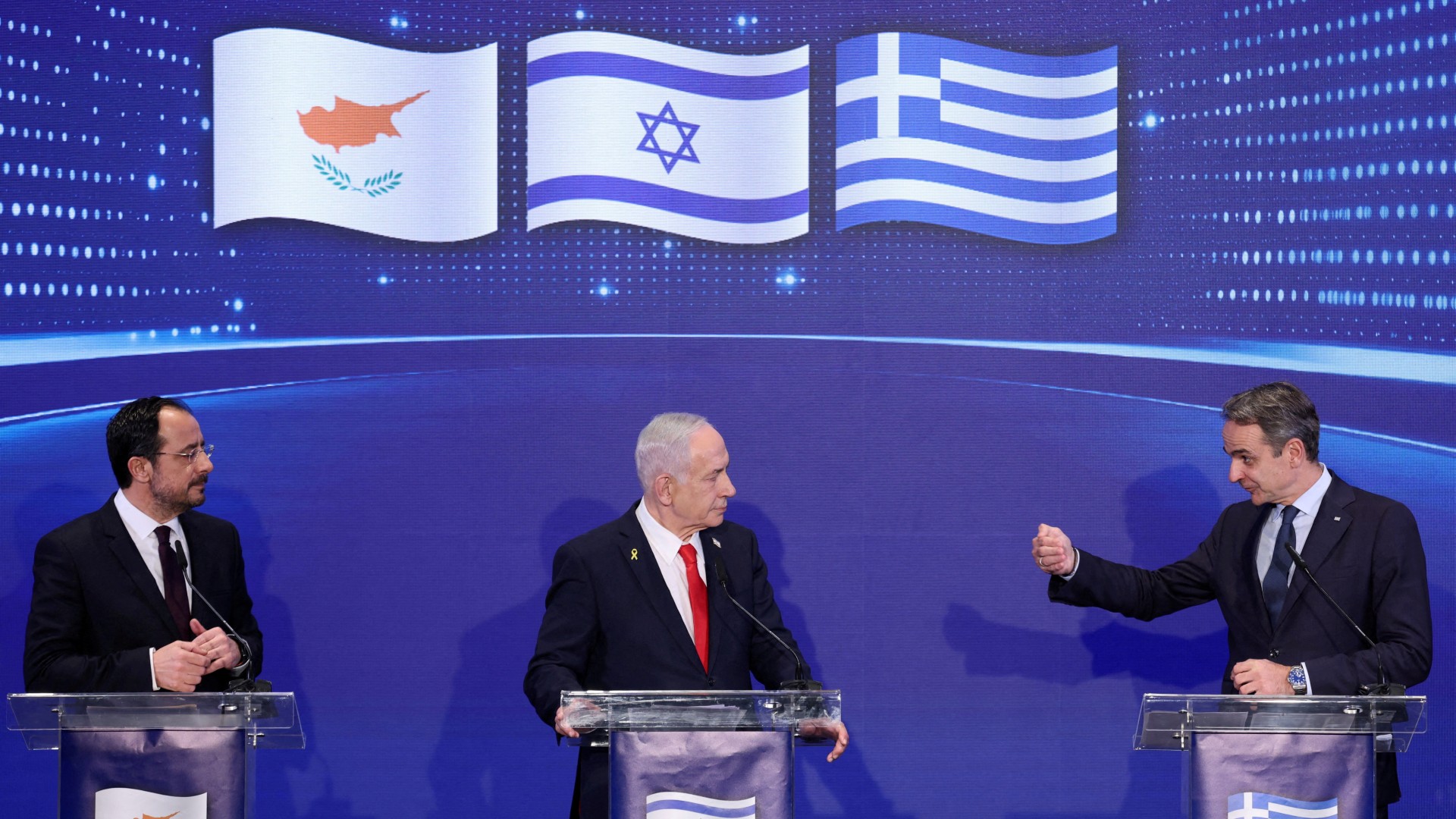
Cyprus has voiced significant diplomatic unease regarding Israel’s utilization of recent trilateral discussions with Greece to escalate regional tensions with Turkey. According to reports from Politis, a leading Cypriot newspaper, Israeli Prime Minister Benjamin Netanyahu deliberately employed provocative rhetoric during the Jerusalem summit to advance his domestic political standing, thereby compromising the strategic interests of other participating nations.
The tenth trilateral meeting between Cyprus, Greece, and Israel occurred against a backdrop of heightened regional instability, shortly after the signing of a new military-planning agreement. Netanyahu’s explicit references to Turkey—urging abandonment of imperial ambitions—reportedly aimed to position Ankara as a mutual adversary, a move Cypriot officials found diplomatically reckless.
Nicosia’s discontent stems from four primary concerns: Netanyahu’s inflammatory remarks implying collective defense against Turkey; potential disruption to Cyprus reunification talks following the election of Turhan Erhurman in Northern Cyprus; unauthorized leaks suggesting a joint military brigade; and Israel’s unilateral announcement of a new military agreement without coordinated disclosure from Cyprus or Greece.
Cyprus’s imminent presidency of the Council of the European Union further complicates matters, necessitating cautious diplomacy toward Turkey. The nation recently enhanced its defensive capabilities with the Israeli-made Barak MX air defense system, which provides surveillance coverage extending into southern Turkish airspace—a detail adding strategic complexity to the diplomatic friction.
Regional officials confirmed that Israel’s approach reflects a pattern of leveraging international platforms for domestic messaging, often disregarding the nuanced diplomatic positions of its partners. While the trilateral format remains valuable, the recent episode underscores the challenges of maintaining balanced alliances in a volatile geopolitical landscape.