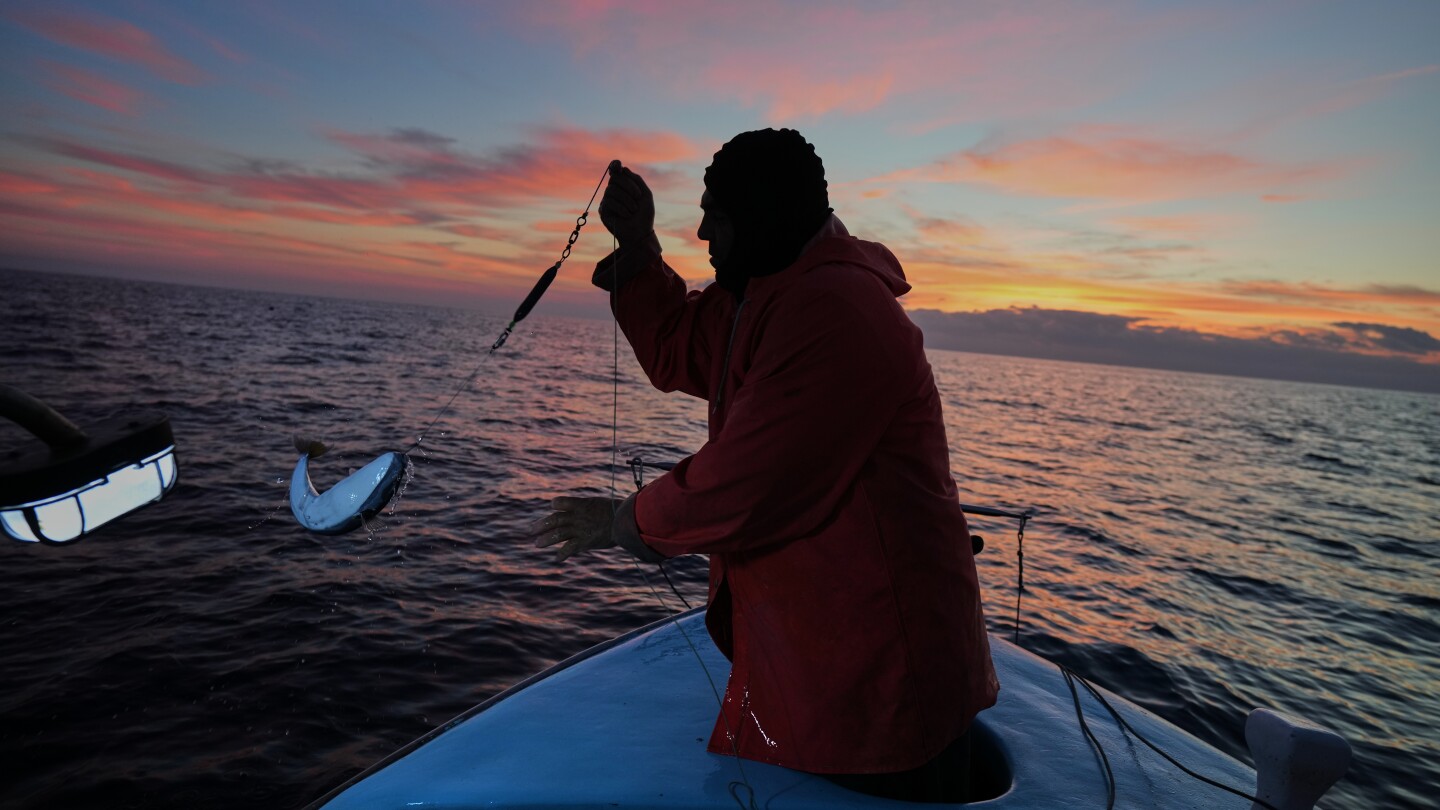
CYPRUS — Veteran fisherman Photis Gaitanos carefully disentangles the venomous spines of a lionfish from his net, a routine that has become emblematic of the ecological transformation occurring in Mediterranean waters. The 60-year-old marine hunter now primarily captures invasive species rather than the traditional sea bream, red mullet, and bass that once dominated his catches.
The Mediterranean Sea, warming at a rate 20% faster than the global average according to the General Fisheries Commission for the Mediterranean, has become a welcoming environment for non-native species migrating from the Red Sea through the expanded Suez Canal. Two particularly destructive invaders—the strikingly striped lionfish and the silver-cheeked toadfish—are decimating local fish populations and threatening the livelihoods of approximately 150 professional fishermen in Cyprus.
Lionfish, with their dramatic crimson stripes and defensive barbs, have spread as far north as the Ionian Sea, prompting Italian authorities to request public assistance in tracking sightings. The toadfish presents additional challenges with its powerful jaws capable of destroying fishing nets and a lethal toxin that renders it inedible.
EU Fisheries Commissioner Costas Kadis, himself Cypriot, told The Associated Press that climate-linked extreme weather events are creating increasingly hospitable conditions for these invasive species. “The native marine biodiversity faces heightened competition and pressure,” Kadis stated, “with implications for local ecosystems and industries dependent on them.”
The economic impact has been severe, with fishermen reporting diminished catches and increased costs due to damaged equipment. Gaitanos, who inherited his father’s boat in 1986, lamented that he hasn’t caught a red mullet in over two years—a species once abundant in the waters off Larnaca.
European authorities have implemented multiple strategies to address the crisis. EU-funded compensation programs pay fishermen €4.73 per kilogram for toadfish catches, though the toxic fish must be incinerated. The RELIONMED project, initiated in 2017, enlists scuba divers to cull lionfish populations around wrecks and protected marine areas.
A culinary solution is emerging simultaneously. The #TasteTheOcean social media campaign, launched in 2021, features top European chefs promoting invasive species as sustainable alternatives. Renowned Cypriot chef Stavris Georgiou has developed specialized lionfish recipes, while local tavernas are gradually introducing the species to customers.
At Larnaca’s harbor fish market, lionfish now costs less than half the price of popular species like sea bass. Stephanos Mentonis, who operates a fish tavern in Larnaca, includes lionfish on his meze menu and reports positive customer responses. “When they try it, it’s not any less tasty than any other fish,” Mentonis noted, describing the meat as fluffy and tender.
Commissioner Kadis emphasized the dual benefit of this approach: “By incorporating invasive species such as lionfish into our diet, we can turn this challenge into an opportunity for the fisheries sector while helping limit the environmental threat.”